A new proposed class action in Chicago takes Meta’s smart-glasses privacy fight somewhere the earlier bystander suit did not: the unreleased facial-recognition stack known as NameTag, and the claim that Facebook and Instagram photos were mined to build it. The complaint, Alvarez et al. v. Meta Platforms, Inc., was filed September 4, 2026 in the U.S. District Court for the Northern District of Illinois (No. 1:26-cv-10773). Coverage from Bloomberg Law and Biometric Update puts NameTag at the center—code WIRED first flagged in Meta’s AI companion app in June, still not shipped to consumers.
What plaintiffs say NameTag is for
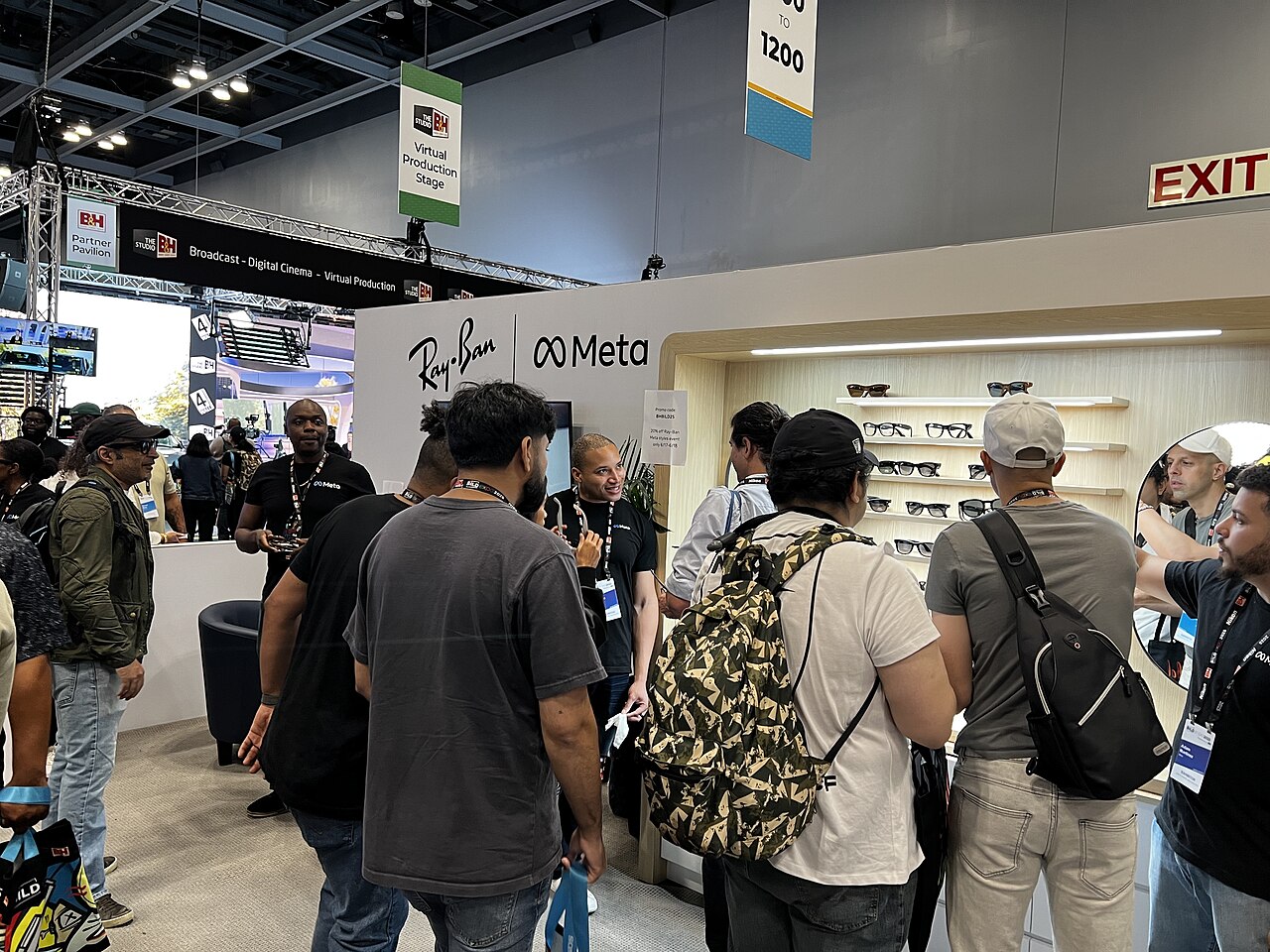
Per the complaint summaries, NameTag was built for Ray-Ban and Oakley Meta glasses and the Meta AI phone app that pairs with them. Once activated, it would turn faces seen through the glasses’ camera into biometric signatures (faceprints) and compare them against faceprints stored on the wearer’s phone—a local cache configured, WIRED reported, to take updates from Meta. Recognized faces would trigger alerts; unrecognized ones would be cropped and parked as “pending.” Meta has said it was exploring facial recognition, that “nothing has shipped to consumers,” and that it is “not building a central face database.” Those statements sit beside inactive code already sitting inside an app with tens of millions of installs.
The BIPA and generative-AI theory
Illinois plaintiffs lean on the Biometric Information Privacy Act: alleged failure to publish a retention/destruction policy (Section 15(a)) and alleged collection without written notice and informed written consent (Section 15(b)). California claims add publicity, misappropriation, and state constitutional privacy theories. The proposed national class would cover anyone in the U.S. whose image was uploaded to Facebook, Instagram, or into one of Meta’s generative models; separate Illinois and California classes track residency. None of those classes are certified yet.
The filing stretches beyond NameTag into Meta’s image models. Plaintiffs argue that training Emu and its successor Muse Image on photos that include faces encoded identity-bearing representations into model parameters or latents—and that those representations should count as biometric information under BIPA. That is a legal and technical claim, not a finding. Biometric Update notes Meta Chief Product Officer Chris Cox’s 2024 comments that Instagram imagery helped train Emu, and that the complaint cites an initial training corpus on the order of 1.1 billion image-text pairs. Whether a diffusion model’s learned weights are a “scan of face geometry” is exactly what the court will have to hear.
How this differs from the Sama bystander case
This site already covered the amended Northern District of California action that adds bystanders who never bought the glasses but say they were recorded when someone nearby used Meta AI—intimate footage allegedly reviewed by overseas contractors at Sama. That docket is about capture, annotation, and consent in the field of view. Alvarez is about the alleged construction of an identification system and the biometric templates that would power it. Same hardware family. Different legal spine. Both remain allegations; Meta has not filed a substantive answer to the Illinois complaint in the reporting we have.
Why XR watchers should care before Connect
Meta Connect 2026 is September 23–24. The company is still leaning on AI glasses while headset plans stay foggy. A NameTag-shaped product would turn every passerby into a potential lookup target—advocacy groups including the ACLU and EPIC already pressed Meta to scrap it in April. Bloomberg Law also notes Texas AG Ken Paxton’s May investigation into glasses that can expose private data, recordings, and facial geometry. Stack that with Meta’s prior BIPA settlement ($650 million) and the 2024 Texas biometric deal ($1.4 billion), and the pattern is familiar: ship wearable cameras, fight the privacy cases later.
For readers tracking spatial computing, the practical question is narrower than the docket theater. If your glasses recognize who is standing in front of you, you need a lawful basis for the stranger who never installed Meta AI. Until Meta ships NameTag—or publicly kills it—the code in the companion app and this Illinois filing are the clearest public markers that the feature is still on the table.
Sources: Bloomberg Law (Alvarez filing summary), Biometric Update (complaint detail and NameTag context), WIRED (June NameTag code discovery), complaint PDF via Biometric Update reporting.