Israeli waveguide maker Lumus licensed Quanta to build its next-generation Z-30 2.0 and A-Lens optics. Thinner glass, lower cost, and a supply chain already inside Meta’s Display glasses.
Lumus announced on September 1 that it has expanded its nearly decade-long partnership with Taiwanese manufacturer Quanta Computer into a new licensing agreement covering the company’s next generation of geometric (reflective) waveguides for AR and AI glasses. Quanta will manufacture Z-30 2.0 and the new A-Lens family in 30° and 50° field-of-view versions — the parts of the stack that decide whether consumer display glasses can get thinner and cheaper without giving up outdoor brightness.
What Quanta is licensed to build
Per the press release, the deal builds on Quanta’s investment in Lumus in 2016 and years of joint work moving geometric waveguides from lab demos into scalable production. Under the new license:
- Z-30 2.0 — a 30° FOV optical engine that Lumus says is thinner and lighter than prior Z-30 hardware, with higher brightness and direct prescription-lens bonding on the waveguide.
- A-Lens 30 and A-Lens 50 — lower-cost designs at 30° and 50° FOV that Lumus puts at roughly half the weight and thickness of previous generations while keeping the image quality and efficiency the company markets as its geometric advantage.
Lumus frames both lines around the same industrial problem: cutting size, weight, and manufacturing cost without abandoning the luminance efficiency that makes outdoor HUD glasses usable. The company claims up to 10× better luminance efficiency than competing waveguide approaches, plus low forward light leakage — the “eye glow” problem that plagues many diffractive designs.

Why the Meta Display connection matters
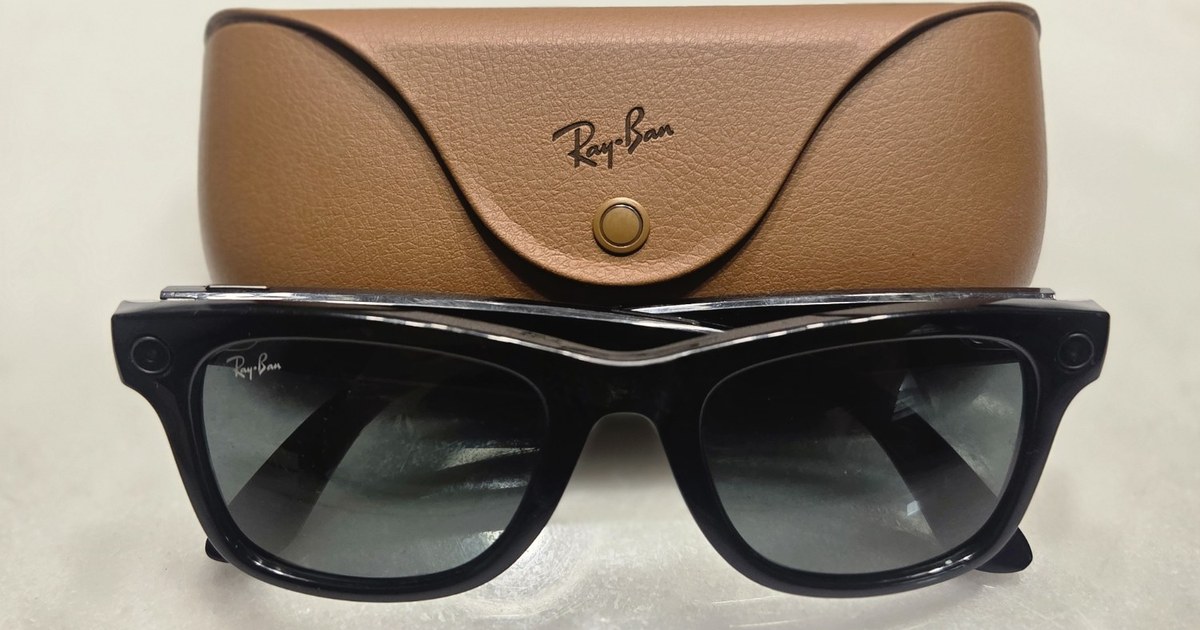
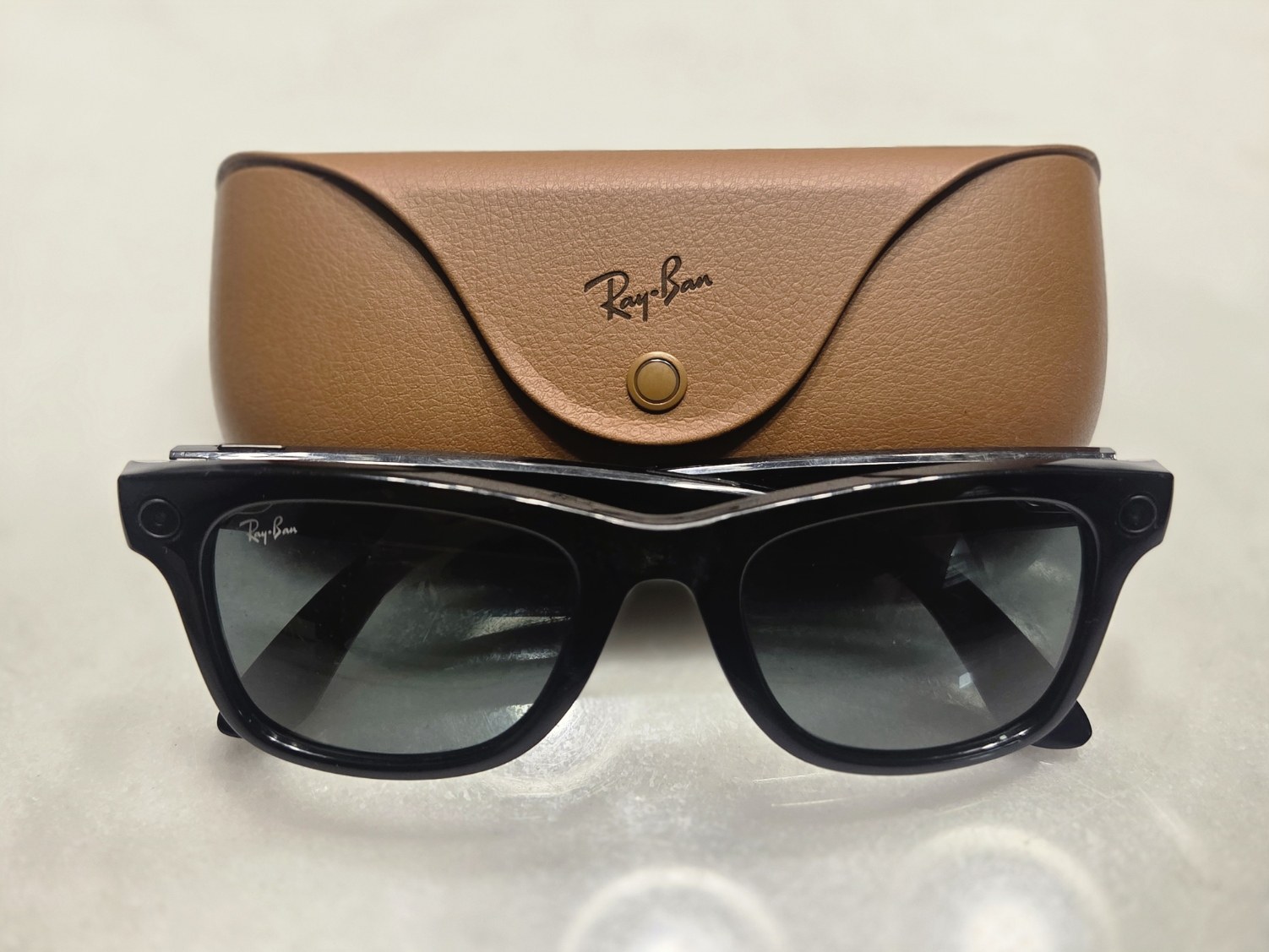
Lumus’s own product list in the same release names Meta Ray-Ban Display glasses alongside Thales’ Scorpion HMD, Augmedics’ X2 surgical system, SNKE medical AR glasses, Lenovo ThinkReality A6, and MediThinQ’s ScopeEye / MetaScope. That is the commercial proof point, not a rumor: geometric reflective waveguides from Lumus (with SCHOTT in the supply chain on the Display line) already ship in Meta’s monocular HUD product.
Connect 2026 is still framed as glasses-led. A licensing deal that puts thinner, lower-cost Lumus glass into Quanta’s high-volume ODM lines is the kind of quiet supply-chain move that decides whether the next wave of display glasses can hit price and weight targets — or stay stuck as niche hardware. Secondary coverage from Unite.AI and Android Central tracks the same announcement without adding independent specs beyond the release.
What this does not announce
No new Meta SKU, no price for A-Lens modules, and no named OEM design wins beyond the existing Lumus customer list. Quanta’s quote emphasizes AI infrastructure, precision optics, and global manufacturing capacity — manufacturer language, not a consumer launch date. Treat this as a production-readiness signal for next-gen geometric waveguides, not a product you can order next week.
For Metaverse Watcher readers tracking glasses into Connect: the interesting number is not field of view on a slide. It is whether Z-30 2.0 and A-Lens can actually land in mass-market frames at weights and costs that survive a retail aisle. Lumus and Quanta just said they intend to try.
Sources: Lumus / PR Newswire (Sep 1, 2026); Unite.AI; Android Central.