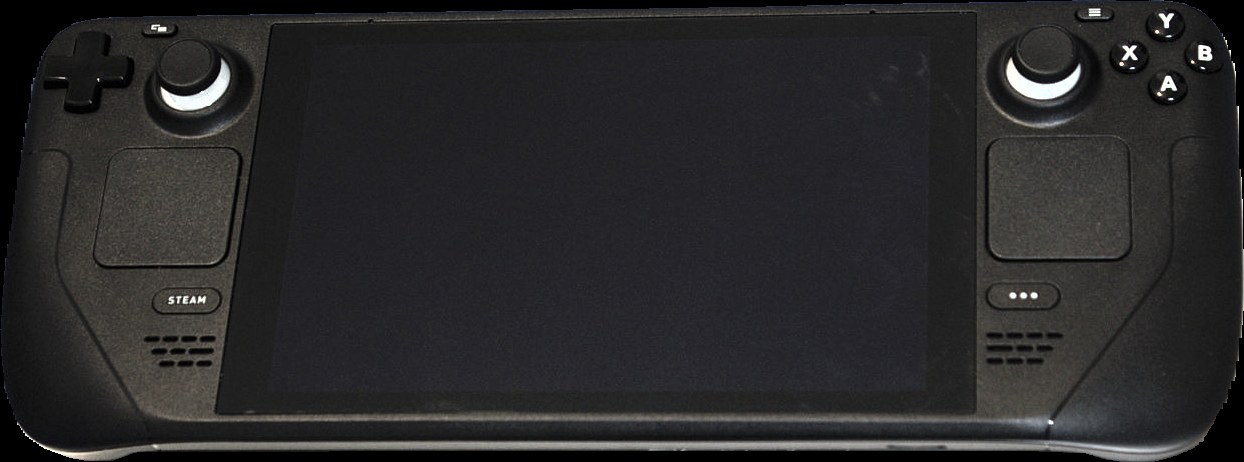
A small open-source project called xreal-linux tagged its FIRST release on October 8, and it does ONE specific thing: it runs a pair of XREAL 1S display glasses as a 3DoF SteamVR headset on a STEAM DECK. Head rotation comes from the glasses’ own sensors. There is NO positional tracking, and the developer is UNUSUALLY explicit about everything that has NOT been tested.
.png)
Two Release Candidates in One Evening
According to the GitHub release page, v0.1.0-rc1 went up at 20:07 UTC on October 8 (about 4:07 p.m. ET), packaged as an AppImage. A SECOND pre-release, v0.1.0-rc2, followed at 21:20 UTC the same day. The repository itself was created on October 7. Both tags are marked PRE-RELEASE, and there is no 1.0 behind them.
The supported setup is NARROW. The repository says it is “verified on a Steam Deck (Bazzite, desktop mode, Plasma on Wayland, AMD GPU),” and that NVIDIA and Intel GPUs are UNTESTED. As MIXED reported, the Deck’s own game mode, Flatpak Steam, and non-AMD graphics all sit under a heading that reads “Not promised.” The XREAL Eye camera, which would be REQUIRED for 6DoF, is NOT used.
The Engineering Notes Are the Real Payload
The more VALUABLE part of the project is a long findings document describing what an XREAL 1S looks like to a Linux host. Per MIXED’s reading of it, the glasses enumerate as a single USB 2.0 device with NINE interfaces, including two virtual Ethernet links that each run a DHCP server on the glasses. One TCP port streams fixed 134-byte records at roughly 1,400 per second, which the notes identify as the INERTIAL sensor stream that the driver uses for head rotation.
The notes also CORRECT themselves in public. The glasses’ ultrawide mode reports 3840×1080, but the author now describes it as “a 32:9 ultrawide monitor, not a stereo side-by-side image.” A SEPARATE full side-by-side setting reports the same resolution under a different EDID, and that is the mode the driver switches into when SteamVR starts, then reverts when the session ends.
The Caveats Are the Author’s Own
- Yaw DRIFTS. A magnetometer reading exists in the sensor stream, but a calibration fit on the Deck did not converge, and that code was removed on October 8.
- No 6DoF. The Eye camera path is parked after a test stream produced only FOUR frames.
- No vendor involvement. XREAL and Valve have nothing to do with the project; SteamVR is simply the RUNTIME the driver registers against.
Why It Matters
XREAL sells the 1S as a WEARABLE DISPLAY, and on Linux that is all a host sees until software reads the sensors directly. A rotation-only headset with drifting yaw will NOT replace a Quest or a Steam Frame for ROOM-SCALE play. But for SEATED media and simulators on a handheld PC, a documented, OPEN driver is a MEANINGFUL step, and the published notes give other developers a VERIFIED map instead of GUESSWORK. The honest status is EARLY: two release candidates, ONE tested configuration, and ZERO GitHub stars at the time of writing.
Sources: kevindurb/xreal-linux on GitHub; project releases; MIXED, October 9, 2026.