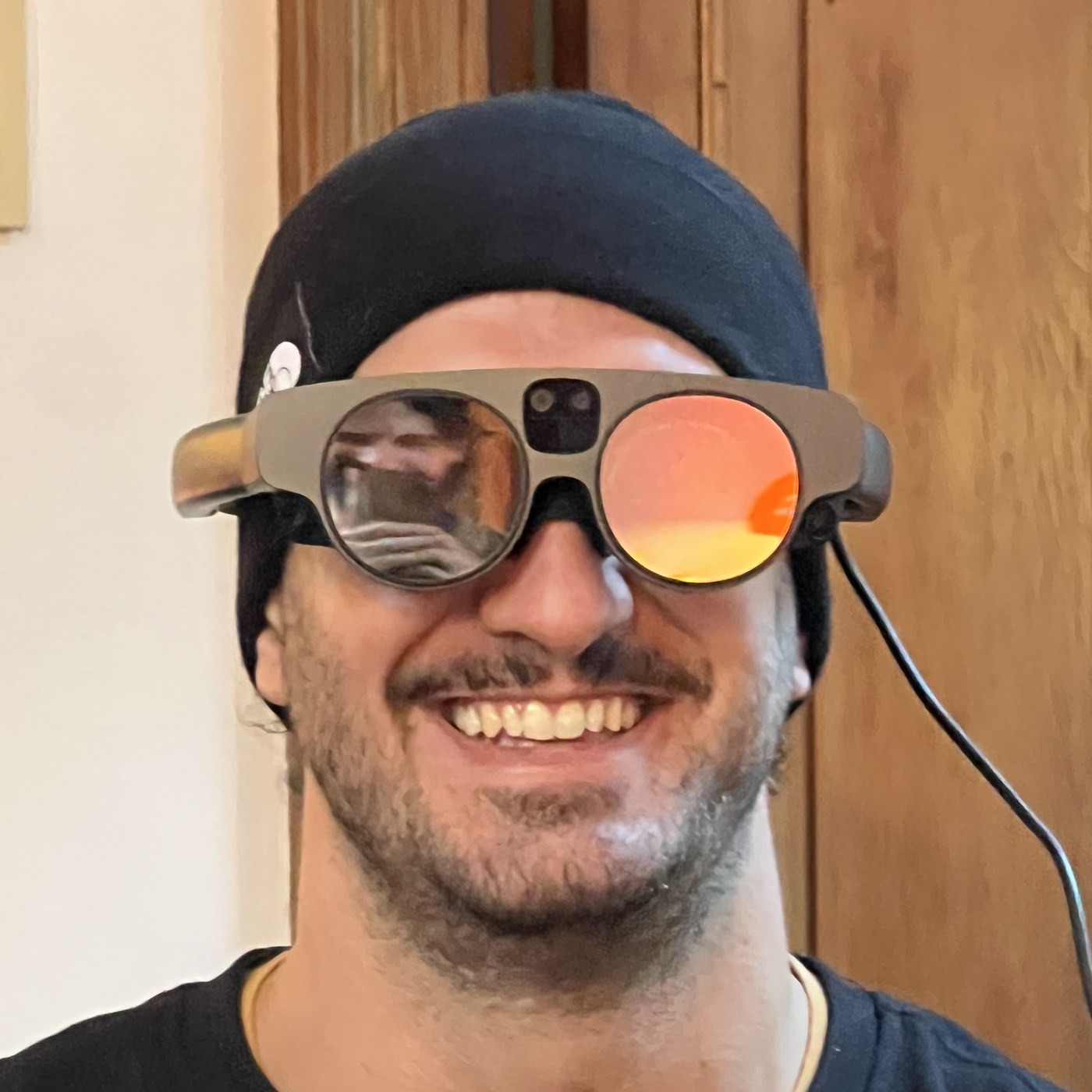
Magic Leap is cutting 193 jobs at its Plantation, Florida headquarters, with the WARN Act notice taking effect October 1, 2026. The company is not trimming around the edges. It is exiting first-party headset product work and repositioning as a waveguide supplier and device-integration partner for other firms building AI display glasses. Road to VR and VR.org both reported the filing; Magic Leap’s own July 9 release spelled out the partner-first model.
What the WARN list actually removes
According to the Florida WARN notice described by Road to VR and VR.org, the October 1 cuts run through software, hardware, UX and design, product management, manufacturing engineering, quality, technical program management, and senior engineering and executive roles. That is the product organization—the people who keep a shipped headset alive—not a side bench.
Magic Leap has not issued a separate statement declaring Magic Leap 2 end-of-life. It has laid off a large share of the functions enterprise buyers depend on for support, quality, and program continuity. VR.org’s practical advice is blunt: customers still running Magic Leap 2 should get support commitments in writing, soon.
The pivot Magic Leap already announced
On July 9, 2026, Magic Leap said it was shifting from building first-party devices to becoming “the essential AR ecosystems partner, waveguide supplier, and device integration expert for the technology industry.” Scott Carden, SVP of display engineering and manufacturing, framed the move around scale: solving waveguide production, manufacturing, and full-device integration so partners can ship AI display glasses faster.
Kevin Curtis, SVP of advanced optics, put the supplier thesis in one line: “Waveguide performance is what separates AR that consumers want to wear from an expensive demo.” The company points to its Jet and Flash Imprint Lithography process for surface-relief grating waveguides—fewer process steps, higher claimed yield—and offers waveguide samples across field-of-view options.
Google already defined the division of labor
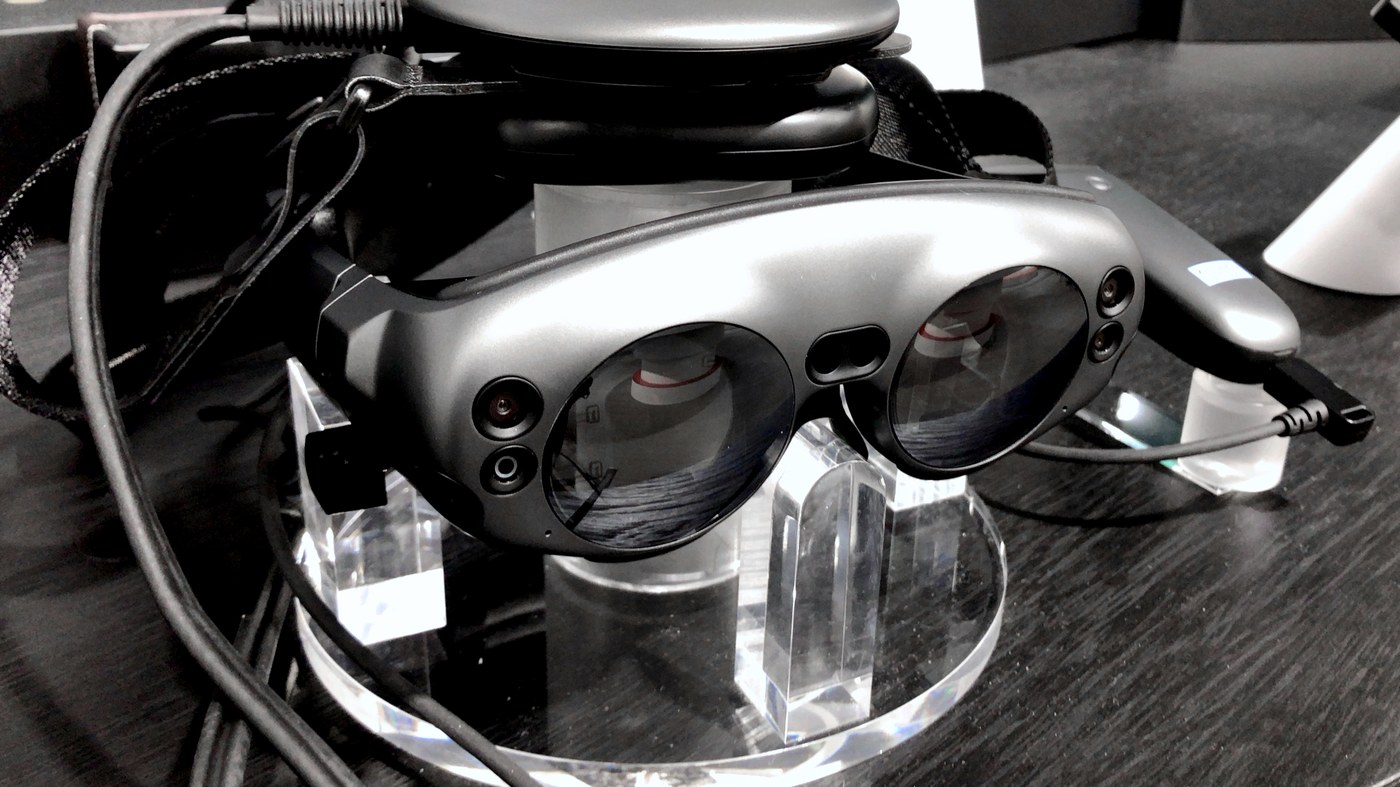
Magic Leap’s 2024 partnership with Google, later extended to a three-year agreement, previewed this ending. Reporting around that deal described joint reference glasses under 50 grams in a monocular design, with Google supplying the Raxium microLED light engine and Magic Leap supplying the waveguides and optics. Two years later, the WARN notice simply removes the staff still executing a headset roadmap that the partnership had already subordinated.
Founded in 2010 by Rony Abovitz, Magic Leap raised more than $4 billion, with Saudi Arabia’s Public Investment Fund as majority shareholder. Two consumer-facing generations later—Magic Leap 1 and the enterprise-focused Magic Leap 2 at $3,299 base—the company is selling the hard glass, not the finished face computer.
A component market forming in public
VR.org places the Magic Leap cuts alongside a wider pattern this summer: EssilorLuxottica buying Lynx for software and shelving the headset, Lenovo folding XR into AI wearables, and Magic Leap keeping optics while letting product go. In each case the durable asset is a capability other vendors need to buy. That is what a waveguide and optics supplier market looks like while it coalesces around AI glasses rather than sealed enterprise headsets.
For Metaverse Watcher readers tracking September’s glasses shelf—Snap SPECS, Meta Connect on September 23–24, Android XR pairs, and whatever Valve does with Steam Frame before summer formally ends on September 22—the Magic Leap story is upstream. If a 2027 AR glasses SKU finally looks worth wearing, there is a reasonable chance the waveguide inside came from Plantation. The name on the temple will belong to someone else.
Sources: Magic Leap, Road to VR, VR.org.