How-To Geek’s Jon Fingas tried XREAL’s Android XR glasses ahead of the fall 2026 launch. Reality Elite feels faster than Galaxy XR. The software still crashes.
How-To Geek published a fresh Project Aura hands-on on September 6, 2026 — a different booth than the IFA TechRadar pass we covered yesterday. Jon Fingas wore the tethered Android XR glasses before the promised fall ship window and came back with a sharper split: the silicon upgrade is real, and so are the first-generation software seams.
What Fingas actually checked
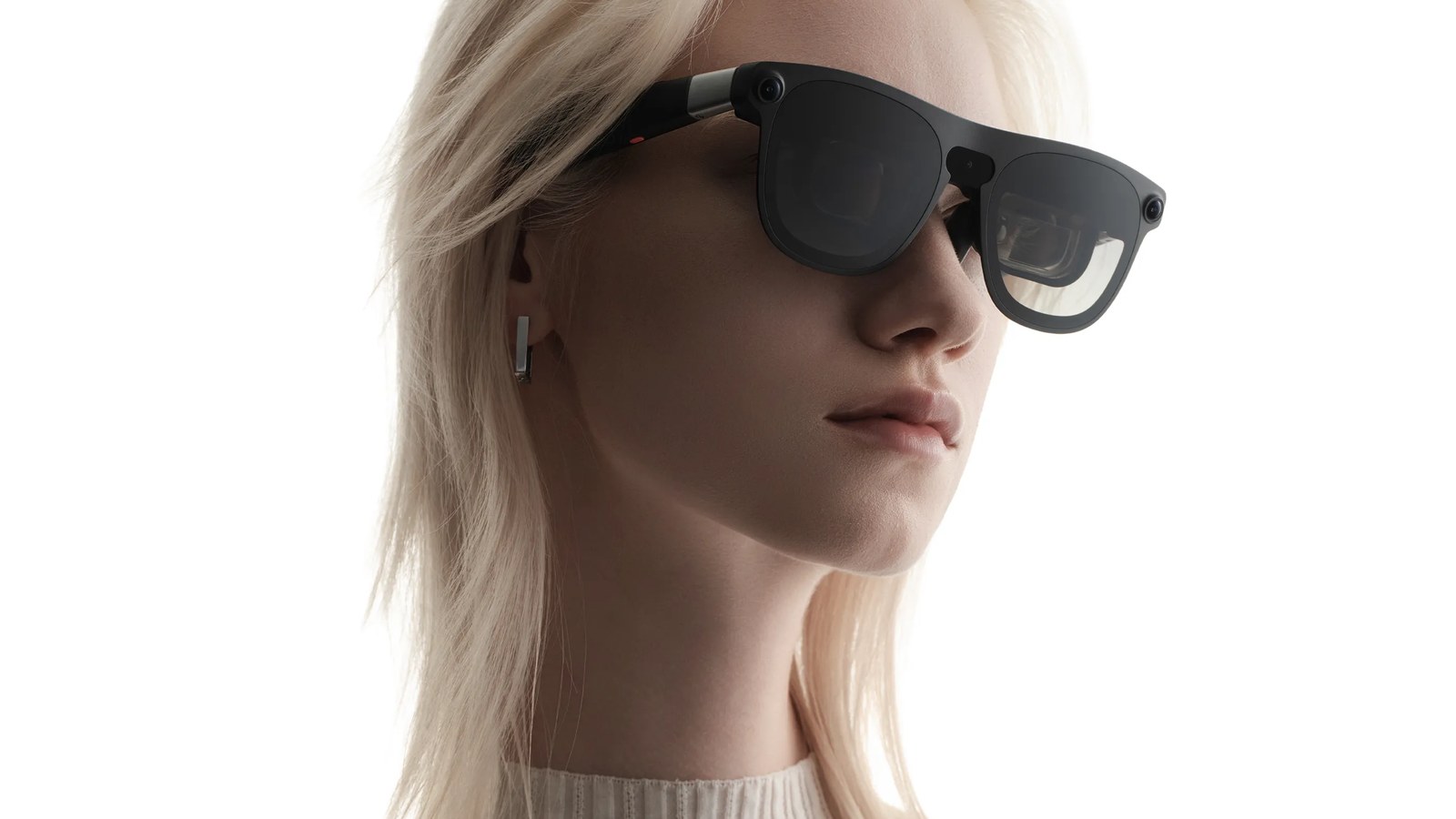
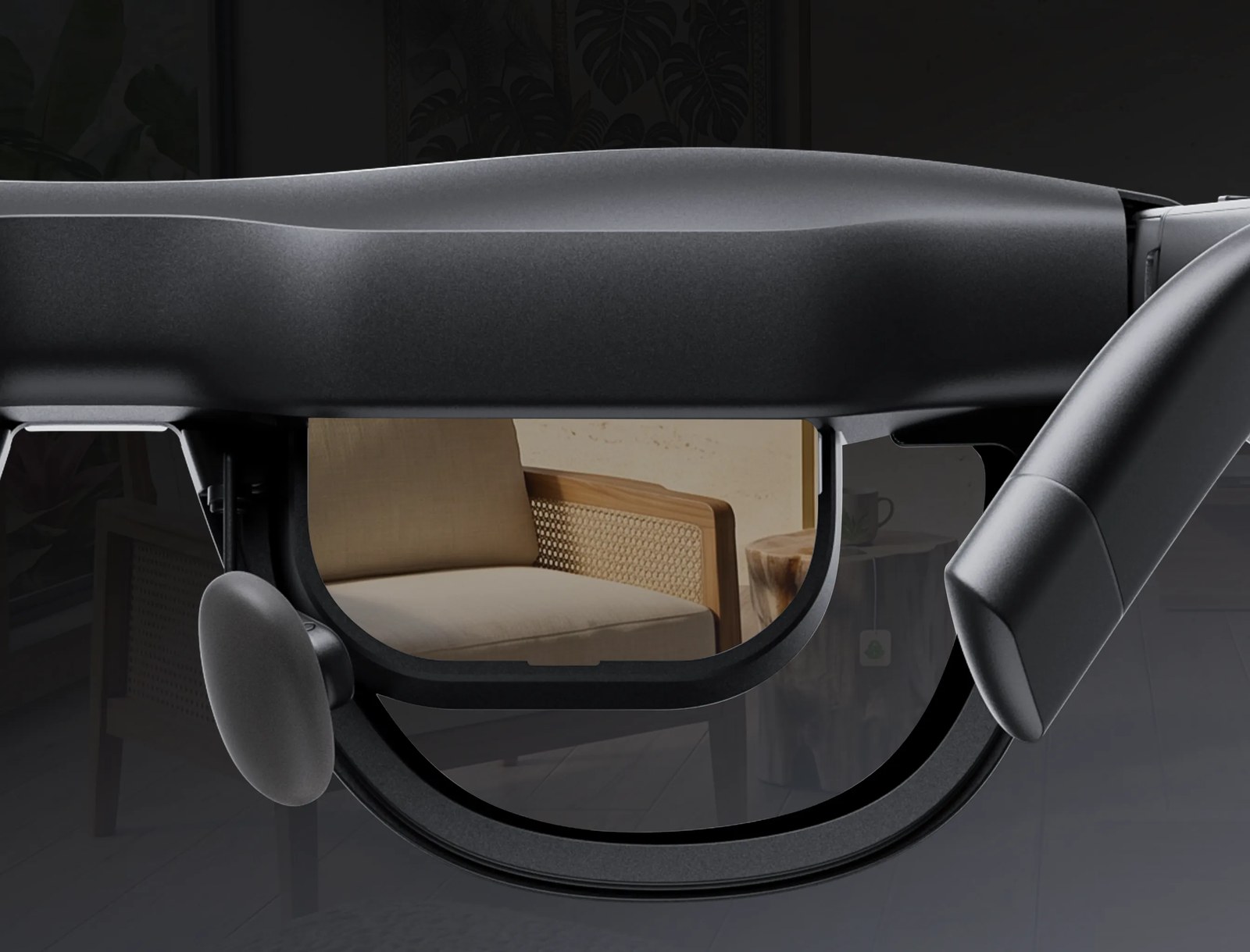
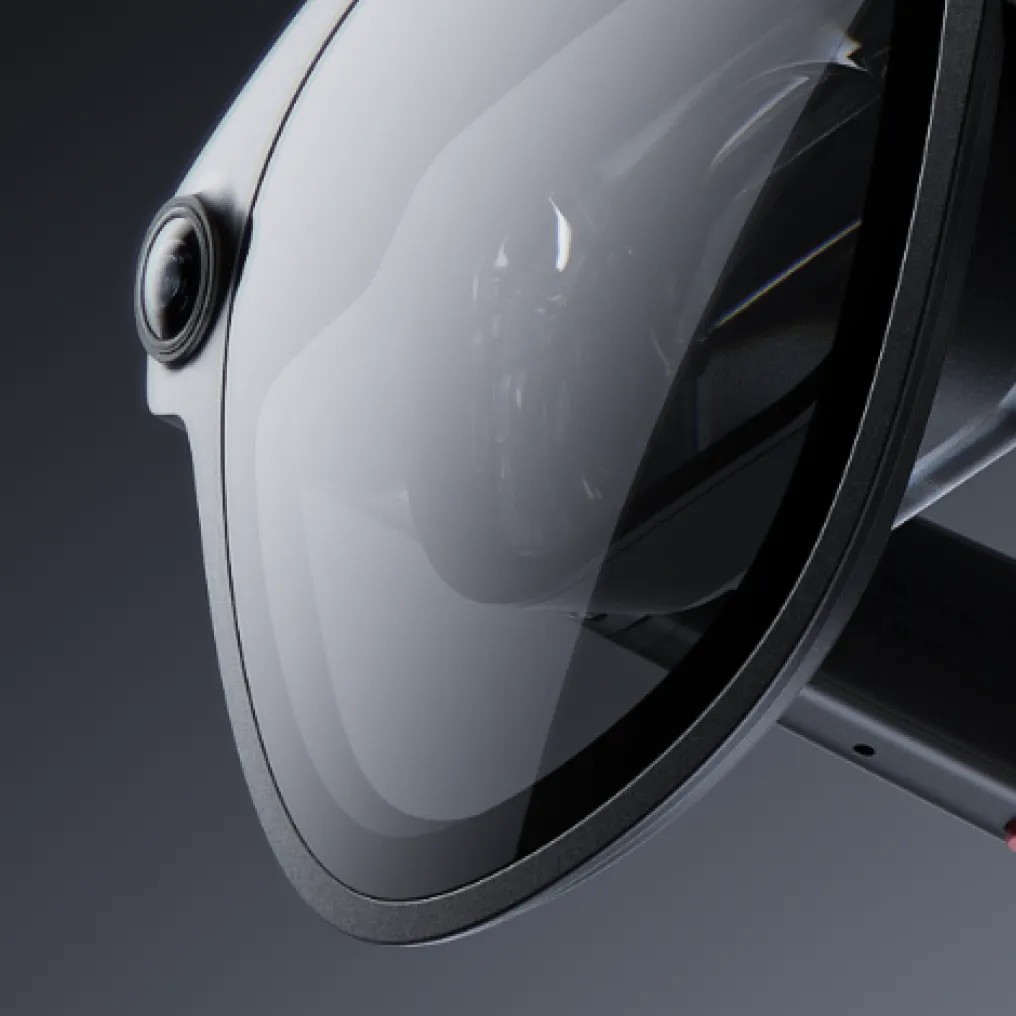
Aura still sits in the “headset masquerading as glasses” category Google has used for it. Fingas notes the lenses float in front of twin 1200p micro-OLED panels, cameras that will make bystanders nervous, and a form factor nobody will confuse with Even Realities G2 all-day eyewear. The upside he flags: lenses are easy to swap (about $50), so the device behaves more like shared hardware than a Vision Pro-style single-user face scan.
Compute is the headline delta versus Samsung’s Galaxy XR. Aura’s puck runs Qualcomm’s Snapdragon Reality Elite; Galaxy XR still ships on XR2+ Gen 2. Fingas says the interface and apps felt noticeably smoother, with XREAL’s onboard X1S Spatial Coprocessor keeping display lag “virtually imperceptible.” Claimed battery life is four hours of video versus Apple’s three-hour Vision Pro pack figure — still a tethered life, just a longer one.
Android XR is powerful and unfinished
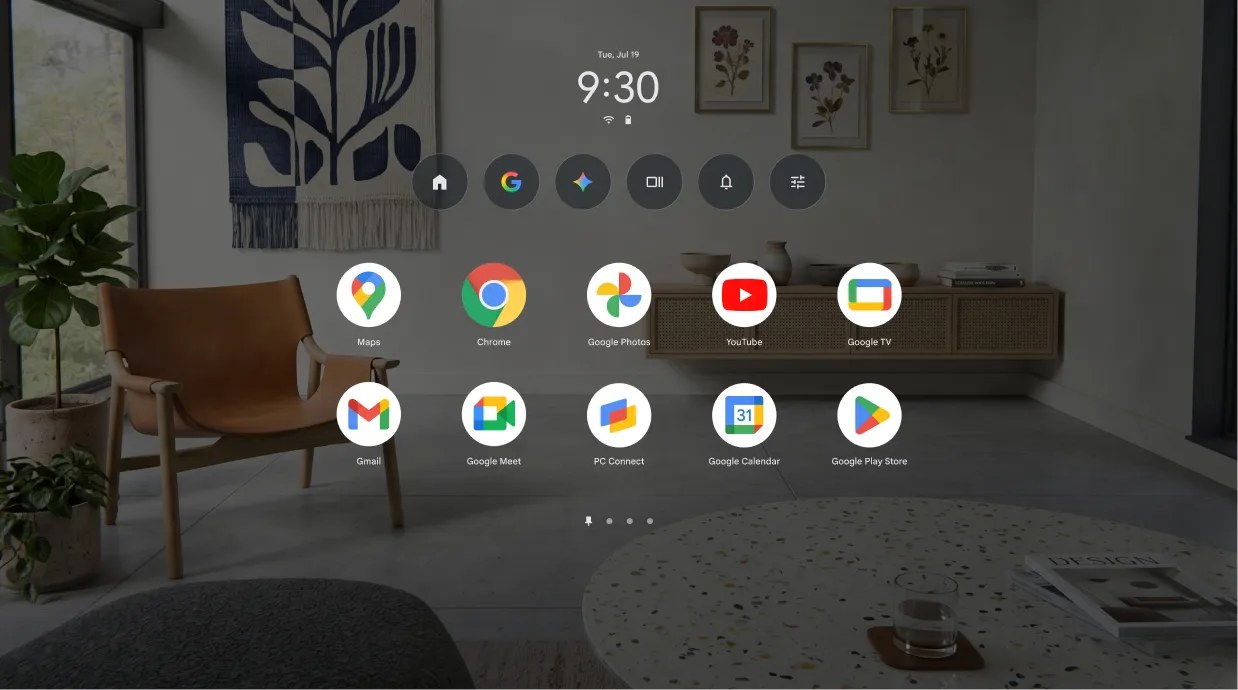
Spatial basics work: multiple windows pinned in the room, mouse/keyboard and 6DoF controllers, Google Maps walkthroughs, hand-driven multitasking. The catalog gap remains the same problem Galaxy XR buyers already know — over 100 XR-native apps at last check, Play Store flatscreen apps everywhere else, and social apps that do not get upgraded experiences.
The prototype session also hit concrete bugs. The Google app crashed. The open-palm home gesture was inconsistent. Third-party titles such as Oh My Galaxy occasionally froze. Fingas correctly parks blame on Android XR’s first-generation maturity rather than XREAL’s optics alone.
Fall window, sub-$1,500 ceiling, honest roadmap
XREAL is still pointing at fall 2026 and a price under $1,500. How-To Geek notes Vision Pro now lists at $3,699 and Galaxy XR still sits near $1,800 — Aura’s ceiling is the competitive argument even if memory costs keep rising. Global PR manager Taylor Szabo told Fingas the quiet part out loud: there is still a chasm between all-day Meta-style glasses and short-session spatial computers like Aura, and closing that gap is years of work, not a firmware drop.
Reservations remain open at a $99 deposit on xreal.com/aura. For coverage context, see our earlier notes on the 10,000-reservation milestone and yesterday’s IFA hands-on. The new How-To Geek piece does not move the ship date. It does confirm that when Aura lands, buyers should expect Reality Elite smoothness wrapped around an OS that still behaves like a beta.
I tried the XREAL AURA in Berlin! The first AR glasses with Android XR & Gemini AI. Incredible 70° display & buttery hand tracking?
@VoodooDE_Gaming, September 6, 2026
1 thought on “XREAL Aura Hands-On Finds Android XR Still First-Gen”