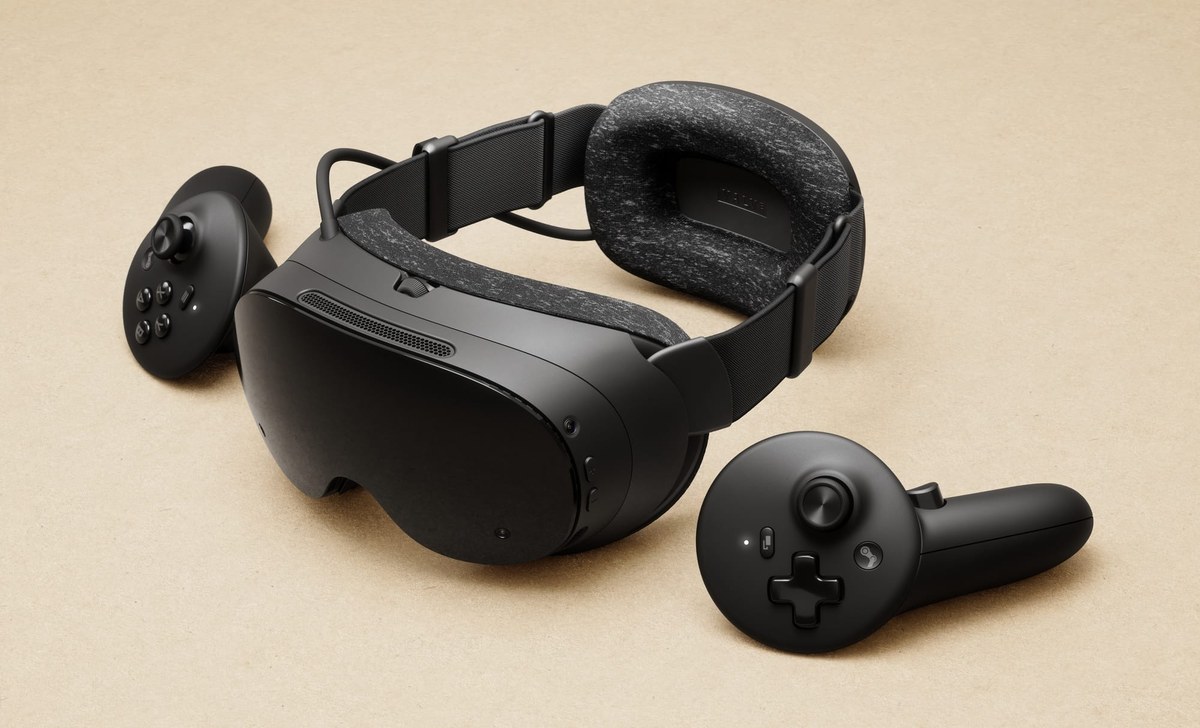
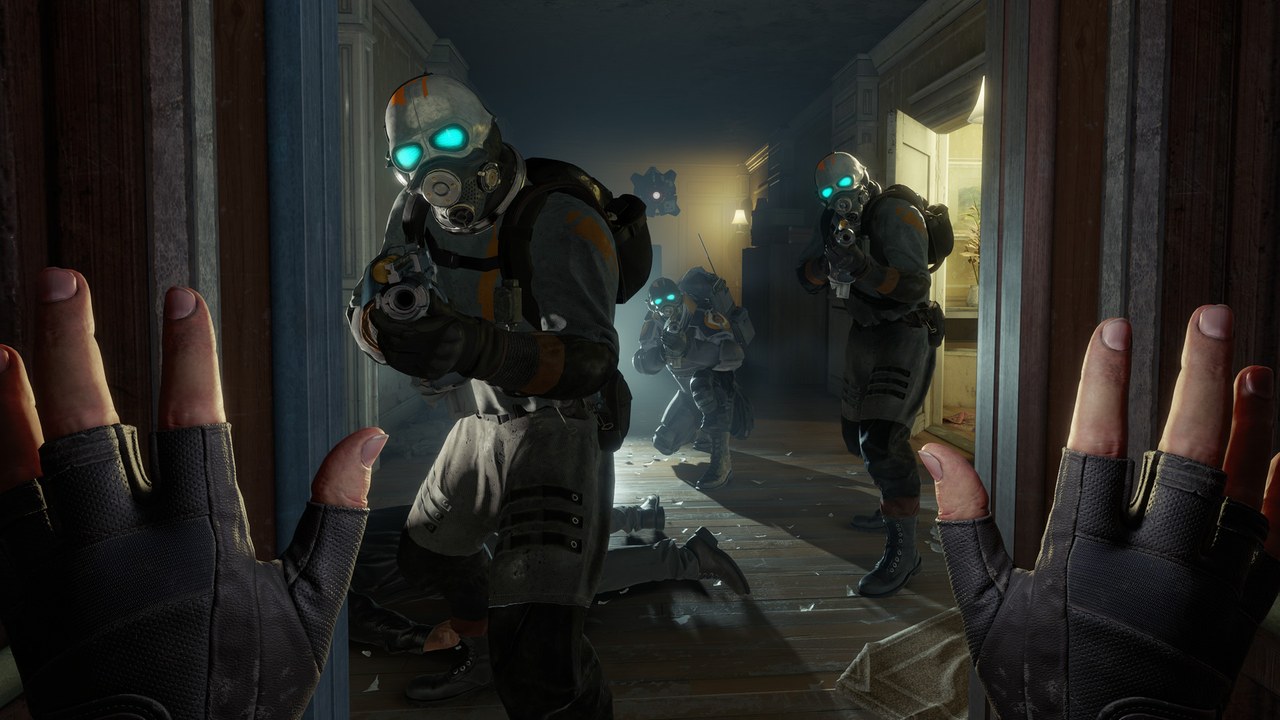
Valve’s flagship PC VR title now runs natively on Steam Frame’s ARM chip. Fresh September 16 reporting from heise online and iXBT Games, layered on Digital Foundry’s engineer interviews and Valve’s own statements to The Verge, fills in how Half-Life: Alyx left the desktop GPU and landed on a Qualcomm Snapdragon Gen 3 headset — without stripping Workshop-breaking assets.
Eye tracking as the silver bullet
Internally, Valve’s starting assumption was that a native Alyx build would not work. Digital Foundry’s interview with project lead Robin Walker and engineer Autumn Ashton quotes that early mood as “this is never going to work.” What changed the calculus was Steam Frame’s eye tracking feeding foveated rendering, plus 16 GB of memory. Valve told The Verge the same story on September 14: “the combination of Foveated Rendering & Eye Tracking turned out to be a silver bullet,” with the 16 GB VRAM “allowing us to avoid having to change any assets.”
Heise’s September 16 write-up puts numbers on the gaze path: the headset samples where the wearer is looking about 80 times per second and spends full quality where the eyes are pointed, lowering detail toward the periphery. Ashton told Digital Foundry the port would not have been shippable without that gaze map. SteamVR exposes a fragment density map developers can consume automatically or author by hand; Alyx’s map was roughly a week of content tuning.
36 frames, depth reprojection, Workshop intact
On Frame, Alyx renders at 36 fps and is lifted toward the panel’s refresh with depth-aware reprojection — Heise and Digital Foundry both describe a 72 Hz target via that path (Frame can also run higher refresh multipliers). Depth data lets near objects and backgrounds move at different rates when the head shifts, which basic timewarp cannot do cleanly. Ashton’s hand-in-front-of-face example in the Digital Foundry piece is the practical demo: with a depth texture from the game, reprojected frames stay smooth across depth discontinuities.
The other hard constraint was community content. Valve refused to fork or downscale Alyx’s assets so Steam Workshop campaigns and mods would keep working. The Verge’s hands-on confirmed mods and saves were present on first launch. iXBT’s September 16 report on the ARM64 / AArch64 update likewise notes no new story content — the patch is optimization, foveated support, depth-aware reprojection, PC-side performance fixes, and bug fixes (false out-of-memory, Linux cloud saves, subtitles, menu flicker, post-new-game interaction).
Most of the work lived under the game
Ashton and Walker told Digital Foundry that after a prototype roughly 18 months ago, about a year and a half of grinding went into Vulkan drivers and SteamVR — not into rewriting Alyx. Valve’s Verge statement put “a year of extra software work within the Vulkan drivers and SteamVR” on the same line, stressing that the vast majority was not Alyx-specific and therefore benefits other Frame titles. Open-source drivers let Valve iterate in minutes instead of waiting on a proprietary vendor cycle — a point both Digital Foundry and Heise highlight.
Frame’s GPU is a tiler rather than a desktop immediate-mode part, so Alyx’s occasional “break rendering, do something else, come back” patterns were expensive until audited. Only a couple of shaders needed architecture-specific changes. Controller work was mostly retune; Ashton recalls changing backpack height slightly. Steam Cloud keeps saves aligned across Windows, Linux, and Frame so a streamed PC session and a standalone session can share progress.
Still polishing — and PC VR is still the ceiling
Heise is explicit that the standalone port is not finished: Valve is still adjusting the ARM build, and it is not yet public when Frame units ship with the optimized version playable on day one. Early comparisons still favor a strong PC for peak fidelity; Frame’s LCD panels at 2160×2160 per eye are not competing with high-end OLED PCVR on sharpness or color. Streaming Alyx from a nearby PC remains the higher-resolution path; native is the untethered one.
Buyers are not waiting on Alyx alone. Heise cites Steam’s “Verified for Steam Frame” list at more than 70 titles, spanning VR staples and flat games. Separately, Valve’s Automaton interview (September 15) frames Alyx as one Linux Arm64 path among several — APK via Lepton and FEX/Proton translation for other catalogs — with no requirement that partners ship a PC binary.
Why it matters for the beat
Alyx on Frame is less a nostalgia giveaway than a stack proof: eye-tracked foveation, depth reprojection, open drivers, and enough RAM to keep PC-era assets intact. If those pieces hold for third parties, standalone fidelity expectations move. If they stay Valve-only, Frame’s software story stays a flagship demo with a compatibility layer underneath. Reservation logistics for buying a Frame are a separate clock — we covered that queue earlier today — but the engineering question for XR readers is answered in the interviews and the September 16 patch notes: native Alyx is real, still being finished, and intentionally Workshop-compatible.
Sources: heise online (Sep 16, 2026); iXBT Games (Sep 16, 2026); Digital Foundry; The Verge (Sep 14, 2026); AUTOMATON WEST (Sep 15, 2026).