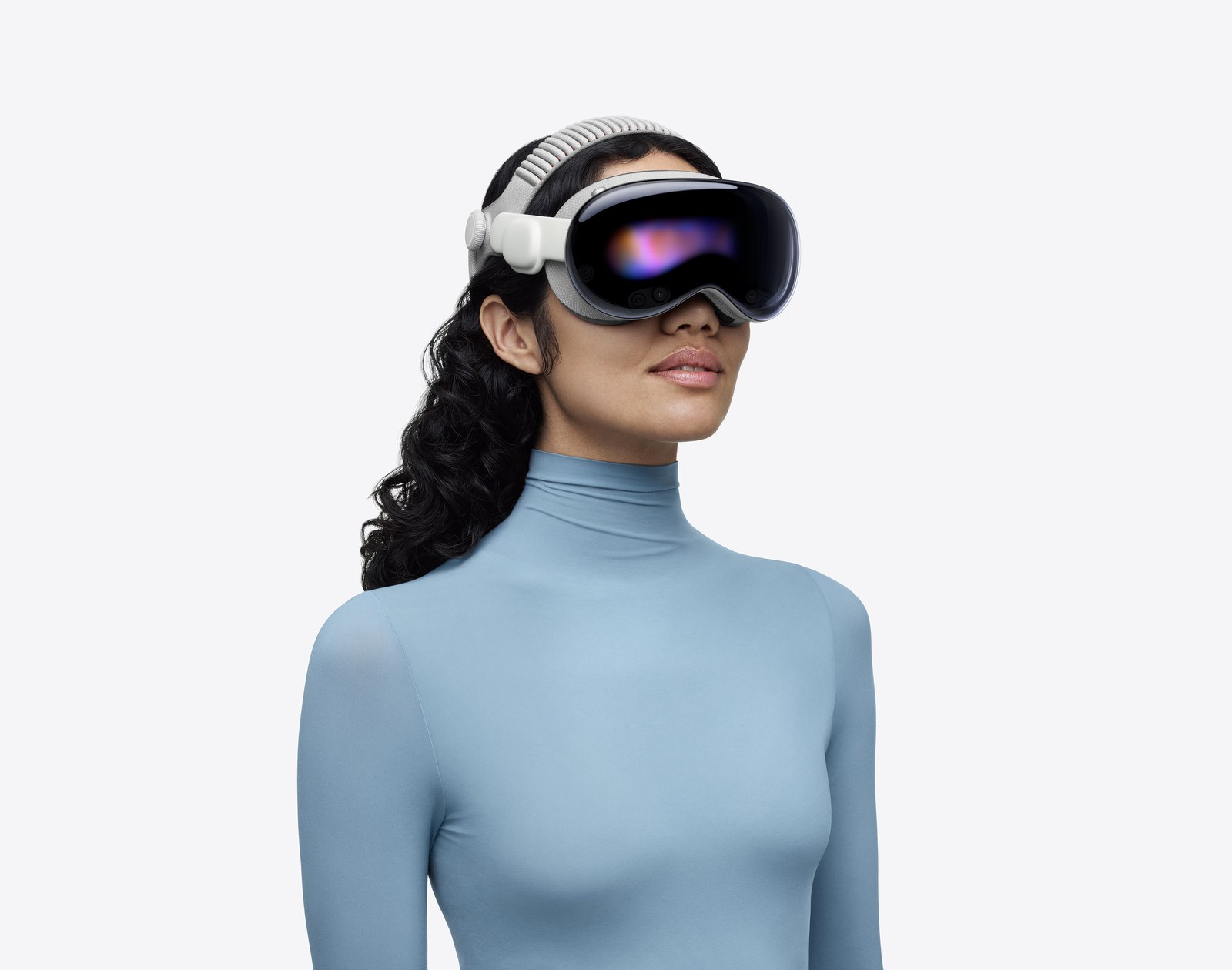
Apple’s visionOS 27 update, which reached Vision Pro owners on SEPTEMBER 14, quietly upgraded one of the most important rendering paths on the headset. According to Apple’s own visionOS what’s-new notes, REALITYKIT now EFFICIENTLY RENDERS 3D GAUSSIAN SPLATS, so apps can drop PHOTOREALISTIC SCANS of real objects into virtual scenes without the older mesh-and-texture bottleneck.
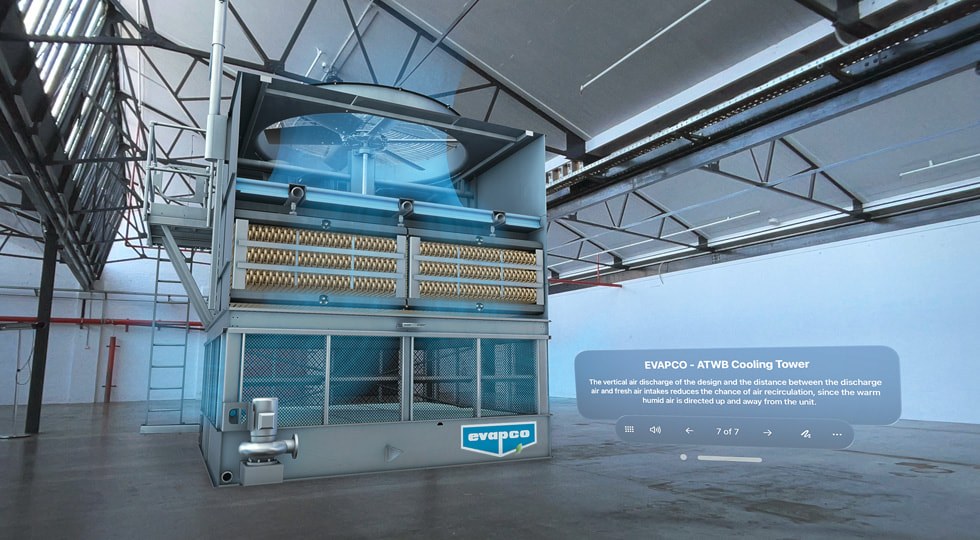
Mixed News (Chris Steven, Sep 19) highlights the same line from Apple: RealityKit “now efficiently renders 3D Gaussian Splats,” letting developers place scans of the real world into spatial experiences. That is a DEVELOPER CAPABILITY owners can FEEL as soon as apps ADOPT it — not a hardware accessory waiting on a later kit.
What Apple actually shipped
Apple’s visionOS what’s-new page pairs the splat work with other RealityKit advances and states the goal plainly: incorporate photorealistic scans of real-world objects into virtual experiences. The API surface is concrete. Apple’s developer docs introduce GaussianSplatResource (and the matching GaussianSplatComponent) as a container for per-splat data and rendering options — scale, opacity, projection, sorting, color space — available on VISIONOS 27 across the parallel 27.0 platforms.
In practice, a studio builds a buffer resource with position, scale, rotation, opacity, and related channels, attaches a GAUSSIANSPLATCOMPONENT to an entity, and lets RealityKit DRAW the cloud. The docs note the framework REFERENCES the underlying buffers rather than copying them, so updating buffer contents can ANIMATE splats over time. That is the difference between a STATIC photogrammetry prop and a LIVING SPATIAL ASSET.
Why this matters now — vs accessories later
visionOS 27 also opened Apple’s spatial-accessory IR LED framework, with DFRobot and MikroE reference hardware still due LATER THIS YEAR. That story is about tracked controllers and tool handles. Gaussian splat rendering is different: it is already in the OS RENDERING STACK. Owners do not need a new stylus to benefit — they need apps that call the new RealityKit path and place REAL-WORLD CAPTURES in the scene.
Quest-side splat viewers such as GRACIA have shown the technique on Meta headsets since 2024. Apple’s move is the FIRST-PARTY ENGINE catching up: NATIVE splat drawing inside RealityKit, with documented resources and components, rather than a third-party viewer bolted on.
What it is not
This is not Niantic’s splat RELIGHTING beta, not a Quest AirVis/Hyperscape viewer roundup, and not the Unity/Godot PS VR2 Sense controller story. Those are separate beats. The claim here is NARROW and SOURCED: RealityKit on visionOS 27 can EFFICIENTLY RENDER 3D Gaussian Splats so photoreal scans become FIRST-CLASS SPATIAL ENTITIES.
Bottom line
For Vision Pro developers, the GAUSSIAN SPLAT APIs are the part of visionOS 27 you can SHIP against TODAY. For owners, the payoff arrives when capture tools and apps start PUBLISHING splat scenes through RealityKit. Hardware accessories will FOLLOW LATER; the rendering upgrade is ALREADY on the headset.
Sources: Mixed News — visionOS 27 accessories, 90Hz, Unity (Chris Steven, Sep 19 2026); Apple — What’s New in visionOS; Apple Developer — GaussianSplatResource.
Images: Apple Newsroom (Vision Pro product and spatial app photography).