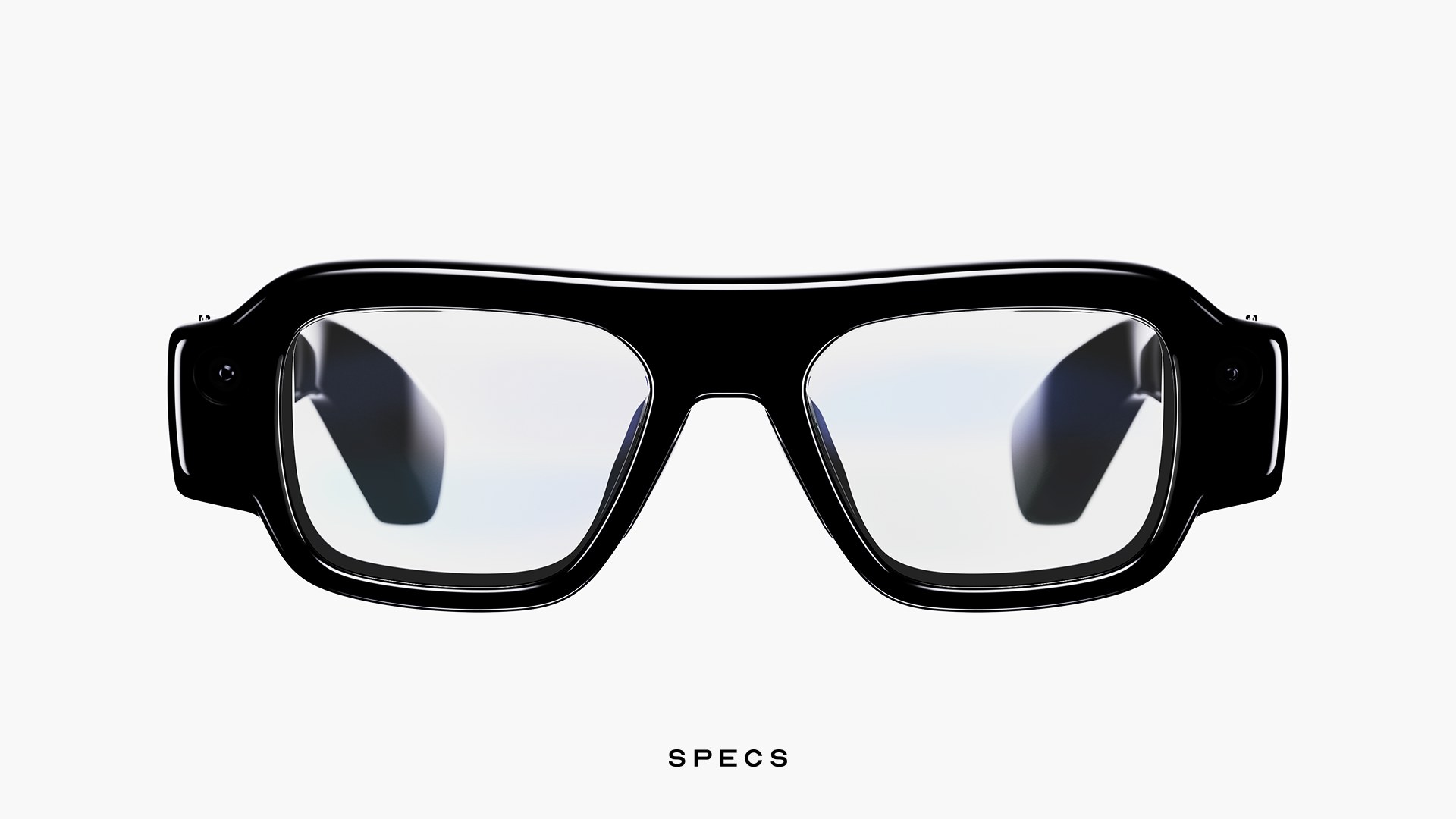
AR Insider’s Mike Boland got a Santa Monica DEMO of Snap’s Specs last week — and his September 21 write-up treats the $2,195 glasses as the first CONSUMER device to cash the 2016 AR PROMISE of standalone optical see-through with SPATIAL visuals, not another round of “lite AR.”
The context matters. Boland argues the industry retreated to camera-first smartglasses after Magic Leap and HoloLens failed to DELIVER stylish, affordable holography on schedule. Meta’s Ray-Ban line PROVED a market for ambient AI without rich visuals. Specs, in his telling, suddenly occupy the OTHER end of that spectrum.
Thirty Minutes at Snap HQ
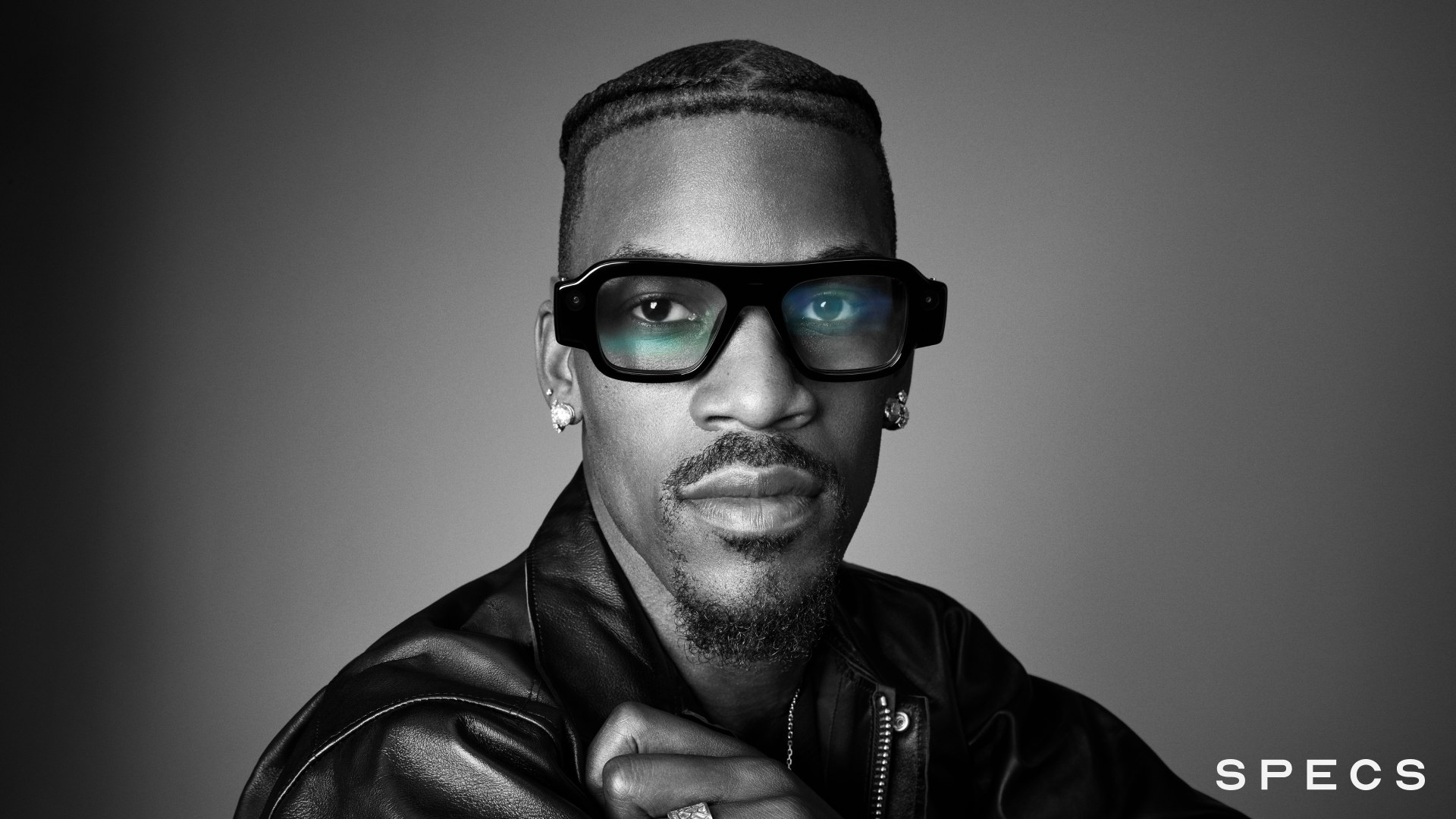
Boland’s short demo lasted about 30 MINUTES. He reports the frames feel beefier than fashion glasses but LESS extreme than June unveiling hot takes suggested, with weight DISTRIBUTION that stayed comfortable for the session. Longer stress tests are still AHEAD.
Snap OS drives gestural INPUT that Boland says picks up FAST. Opening a palm summons a home surface with an app tray, a quick menu for volume and skip controls, and SPECS INTELLIGENCE — the agent Snap is pushing as an orchestration LAYER for navigation alerts, lifelogging, and flight timing rather than a chat box.

Intelligence Beyond the Glasses
SPECS INTELLIGENCE is available on macOS and iOS even WITHOUT the glasses. Boland calls that a FORCE MULTIPLIER: Snap can seed the agent before buyers unlock the full faceworn experience. Day-one lenses span dominoes and darts, live TRANSLATION, entertainment, and athletic TRAINING — a tray Snap can fill because Lens Studio has a decade of mobile and faceworn creators behind it.
Where Specs Sit on the Spectrum
Boland’s sharpest frame is taxonomy. Specs are optical SEE-THROUGH, not video passthrough like Vision Pro. They render SPATIAL holograms, not the flat HUD of Meta’s Ray-Ban Display Glasses, and they run STANDALONE without a tethered puck. In his scorecard, no OTHER shipping consumer device checks all FOUR boxes at once.
That is why he steers readers away from Ray-Ban Meta comparisons and toward Xreal AURA. Aura already contests the PREMIUM AR tier and, Boland notes, may CUT its umbilical cord soon — which would put Snap’s standalone claim under DIRECT pressure. For enterprise, he flags a practical snag: a dangling cord can catch on machinery. Specs’ wireless architecture removes that RISK even if a puck would lighten the head.
Enterprise Bridge, Decade Timeline
Snap already lists Salesforce, AWS, NVIDIA, Trifork, and Hololight as WORKFLOW partners. Boland treats that ENTERPRISE lane as the bridge while consumer volumes stay early. On Snap’s Q2 earnings call, Evan Spiegel said he does not expect Specs to hit MASS-MARKET levels until the END of the decade — framing the launch as an early-mover bet on “intuitive computing,” not a 2026 VOLUME play.
Why It Matters
This is a hands-on REFRAME, not a fresh spec sheet. After June’s skepticism and a week of LA demos, Boland argues Specs finally get to SPEAK for themselves — with PRICE still the loudest objection, and Aura the rival that actually shares the same PREMIUM lane. Shipping windows and carrier BUNDLES remain separate stories; the claim here is CATEGORY position.
Sources: AR Insider; Snap Newsroom — Introducing SPECS; SPECS product page.