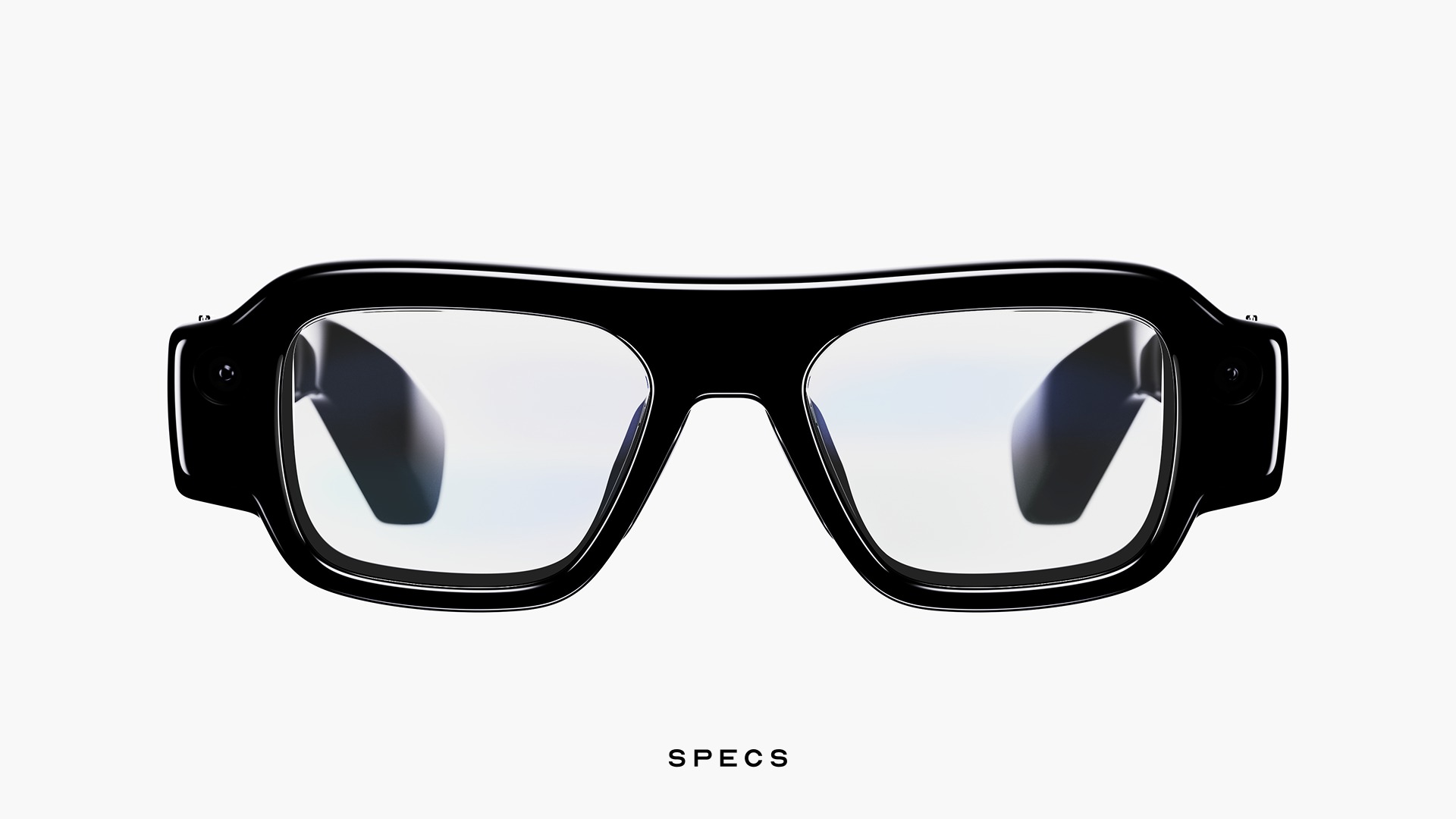
Engadget’s Karissa Bell published a full hands-on of Snap’s SPECS on the evening of September 16, 2026 — the same day Evan Spiegel’s LA keynote and the first wave of launch coverage landed. Her take is the clearest independent wear-test so far: the $2,195 standalone AR glasses can do real work and social play without a puck, but size, heat, and price still ask who the first buyers actually are.
What Bell actually wore
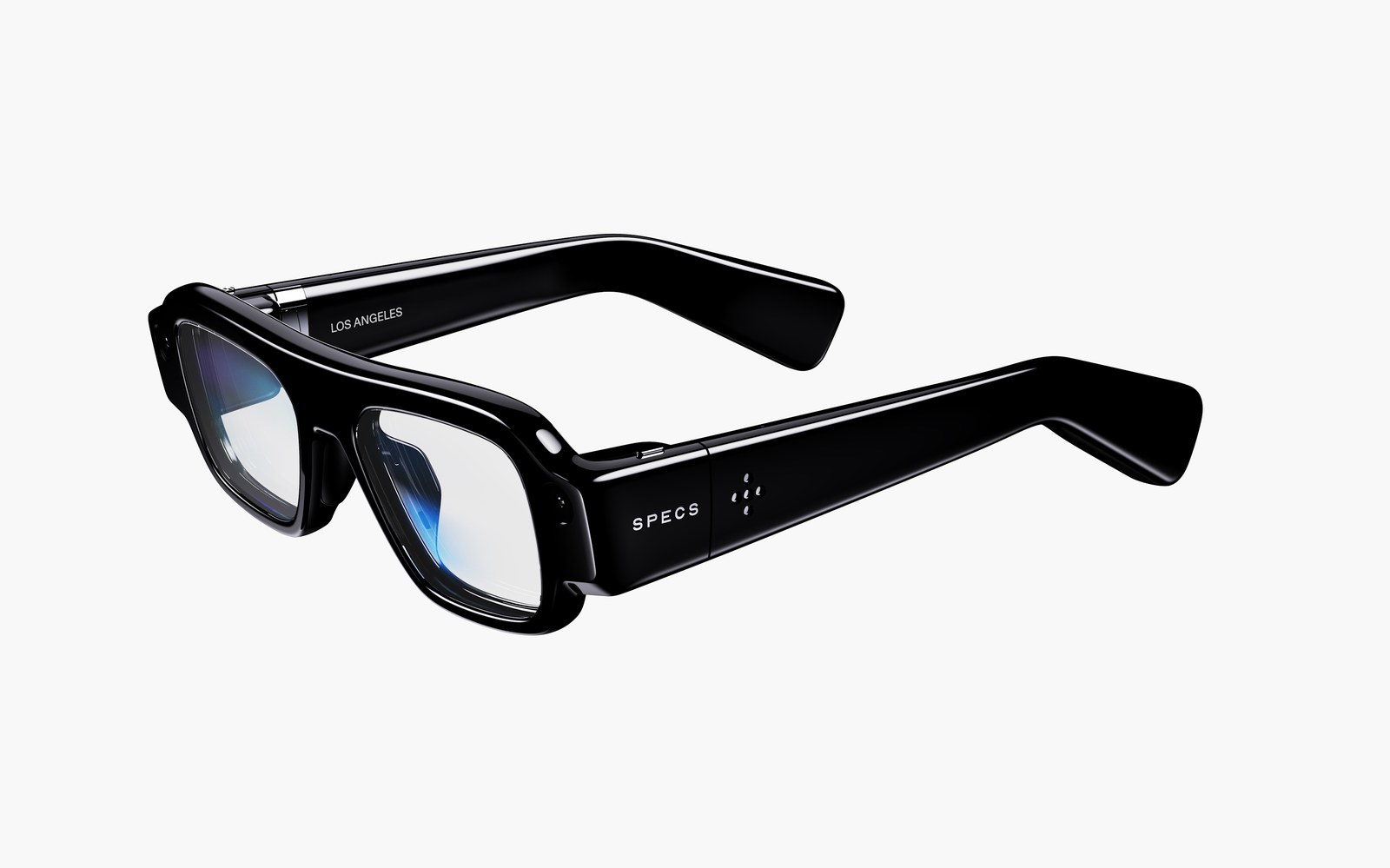
Bell tried both frame sizes — 47 mm and 52 mm — and preferred the smaller pair. At 132 grams she found the weight better distributed than Meta’s display glasses, with a snug fit that did not slip during head shakes in a roughly 20-minute demo. She is explicit that SPECS will not pass for ordinary eyewear: chunkier arms house the Qualcomm silicon, and she expects everyday wear to remain an enthusiast choice.
Hand tracking matched prior Spectacles generations — point to move a cursor, pinch to select, palm shortcuts for the menu. The only glitch she logged was hair briefly covering a camera and sending the cursor jumping until she cleared it. Display brightness held up, sharper in darker rooms, with adjustable dimming available for bright spaces.
Anchored windows, travel mode, and shared play
The biggest software jump from older Spectacles demos, in Bell’s telling, is Snap OS window anchoring: AR content can follow you as you walk instead of forcing a hunt for a fixed world anchor. SPECS’ stated 51-degree field of view felt “big enough to be useful,” though content still clipped until she resized or repositioned windows.
Utility apps looked more serious than past Lens demos. She opened Google Docs in a browser window and typed with a Bluetooth keyboard (the on-glasses AR keyboard only suited short phrases). A Mapbox walking-navigation Lens and a live translation overlay that captioned Italian speech into English both worked in the demo. Shared experiences got a quick tabletop test: a dominoes game with another SPECS wearer felt more natural than co-op under a bulky VR headset.
Travel mode — for passenger streaming in a moving vehicle — keeps the media window locked to vehicle motion rather than head motion. Bell only tried it in a slow parking-lot loop at Snap’s HQ, but flagged it as potentially useful on planes and trains (and less so for her own carsickness).
Battery, heat, and the $200 cellular case
Snap still quotes up to four hours of mixed-use battery. Bell noted the arms ran warm after about ten minutes of use — not painfully hot, but a reminder that dual Snapdragon compute sits on the temples. Streaming and navigation need a network connection; Snap’s answer is an optional charging case with cellular connectivity, priced at $200, that holds up to four extra charges and partners with Verizon and other carriers (plan pricing not disclosed). That accessory layers more cost onto an already premium device.
Pre-orders are open now. Shipments remain “later this fall” for the United States, United Kingdom, and France. Snap is also standing up an enterprise program alongside the consumer campaign.
Who SPECS are for
Bell’s closing question matches the industry beat: SPECS can replicate a surprising amount of mixed-reality headset behavior without a tether, and the OS feels more polished than prior Spectacles generations. Enthusiasts and enterprise buyers have a clear pitch. Mass-market consumers may still bounce off the bulk and the $2,195 sticker — celebrity campaign or not.
For Metaverse Watcher readers, treat Engadget’s piece as the first detailed outside wear report of launch day, sitting beside Snap’s own newsroom specs (standalone TR90 frames, LCoS displays, dual Snapdragon, up to four hours mixed use) and tonight’s keynote software story around Specs Intelligence and Shopify catalogs. Hardware feel is no longer slideware; the open question is whether the form factor and price clear the same bar as the demos.
Sources: Engadget — Snap Specs hands on (Karissa Bell, Sep. 16, 2026); Snap Newsroom — Introducing SPECS (June 16, 2026); Engadget — SPECS launch live blog / Spiegel keynote.