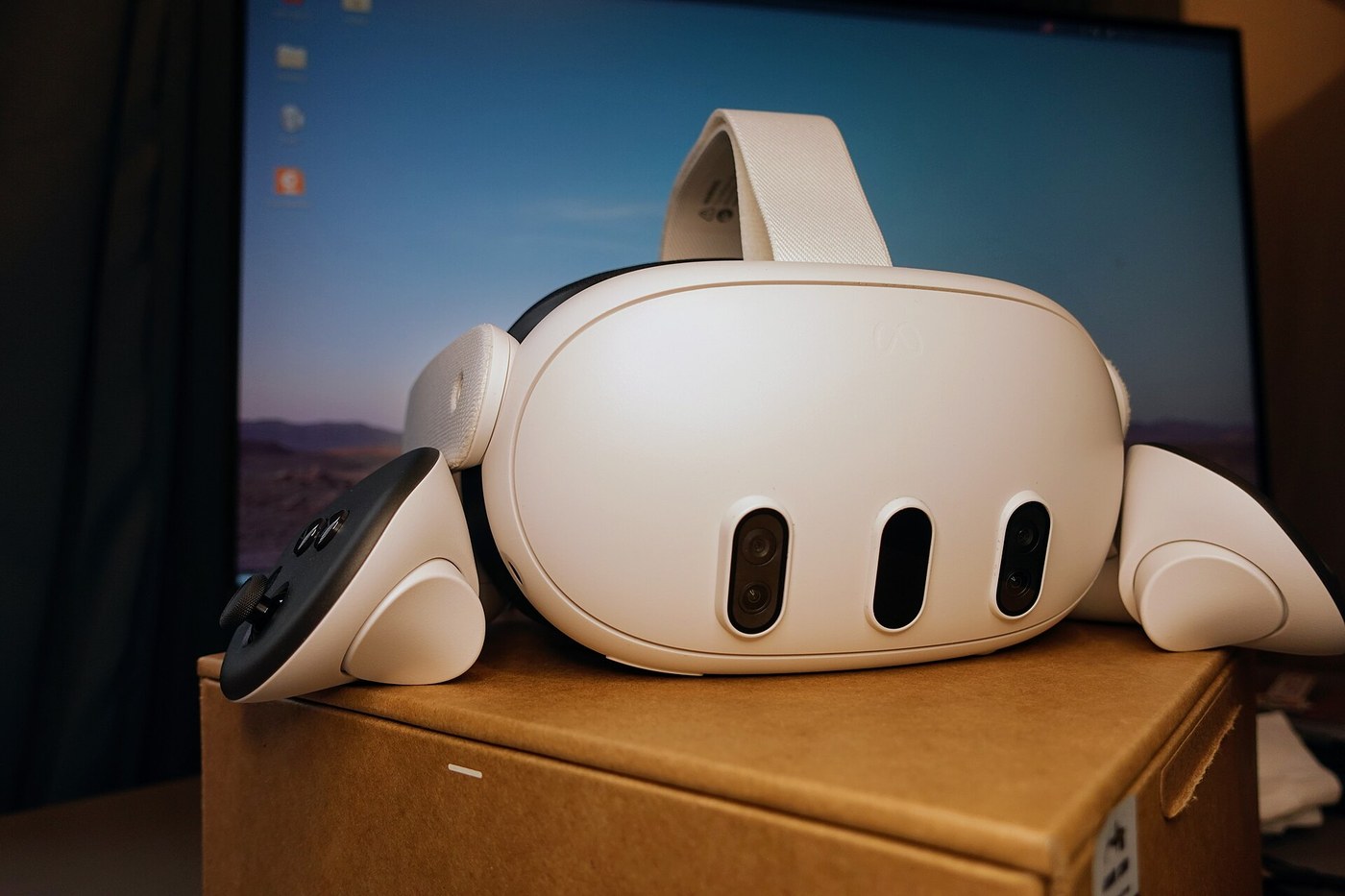
Unity just locked the ENGINE layer for Meta’s next headset. On September 24, 2026 — hours after Meta Connect CLOSED — the company published day-one SUPPORT for META VR GLASSES, giving studios MONTHS to PORT and POLISH before the hardware’s SPRING 2027 retail window.

The pitch is deliberately PRACTICAL. Unity 6.6 and later reach the glasses through OPENXR, so existing Quest projects should CARRY forward with MINIMAL rewrites. Same STORE. Same OpenXR stack. Studios that already SHIP on Quest keep their assets, code, and workflows instead of starting from a blank repo.
“Unity powers the majority of the top-selling games on Meta VR, and we want that momentum to carry to VR Glasses from the start,” Unity COO Alex Blum said in the company’s Business Wire release. One CODEBASE across devices is the sales line — and for once the tooling matches the slogan.
What DEVELOPERS Actually Get
Meta framed the glasses as a roughly 100-GRAM device with a 5K Infinite Display and hand-plus-eye input as the primary controls. Unity’s blog maps that hardware to three concrete engine HOOKS:
- EYE TRACKING for foveated rendering and look-and-tap input
- QUAD VIEWS rendering that drops peripheral resolution to cut GPU cost without an obvious quality hit
- SPATIAL AUDIO with 7.1.4 surround — seven channels around the listener plus four height channels
Getting started is version-GATED. Teams need Unity 6.6+, the OpenXR: Meta package 2.6.1, AR Foundation 6.6.2 or newer, OpenXR Plugin 1.18.0 or newer, plus XR Interaction Toolkit and XR Hands 1.9.0+. Unity also points studios at the Meta XR All-in-One SDK v207 on the Asset Store. The Meta Quest Build Profile remains the recommended starting point because the glasses share that OpenXR FOUNDATION.

LAUNCH Titles Already Building
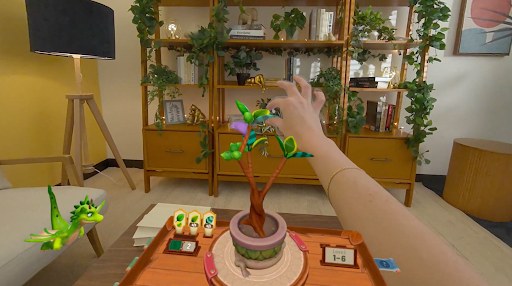
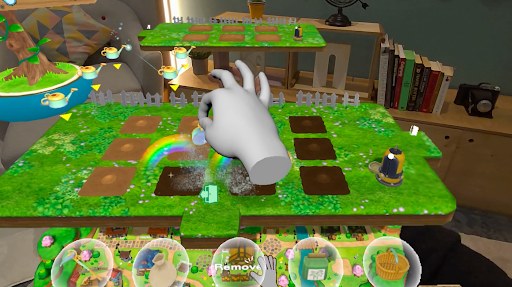
Unity is not waiting for a theoretical catalog. Studios behind CARDMADA, Dragon Grove, Phoenix Wright: Ace Attorney Dual Destinies VR, Dice Throne Digital, SUPERNATURAL, Two Point Hospital – Mixed Reality Edition, and Story of Seasons are already TARGETING the glasses inside Unity.
Soul Assembly’s Miguel Gonçalves called the workflow “very familiar to Quest 3.” Schell Games technical director Ryan Brolley said OpenXR plus Meta’s Unity tools let the Dragon Grove team “minimize deployment friction.” Supernatural CEO James Senior went further: his team RESTORED six Unity projects and got an end-to-end playable workout “in under two months” after ripping out legacy platform dependencies.
TEST Without Hardware
Physical review UNITS will stay SCARCE until spring. Unity’s answer is the XRI SIMULATOR, which lets teams VALIDATE hand and eye interactions in the editor before a headset arrives. That matters because Meta is pushing natural input HARD — controllers remain supported, but Unity explicitly tells studios to REVIEW UI and interaction design for hand-and-eye FIRST.
Unity scheduled a live deep dive for October 1 at 9:00 a.m. PT with Meta’s AR Schleicher and Dilmer Valecillos covering eye tracking, microgestures, and quad-views setup. Until then, the public path is UPGRADE, install the Meta OpenXR stack, and treat Quest projects as the migration BASELINE.
Why This SLOT Matters
Connect week flooded the timeline with hardware hands-ons. This announcement is quieter and more CONSEQUENTIAL for the catalog: Meta can ship a light headset in SPRING 2027, but players will only care if games ARRIVE the same day. Day-one Unity support is how that catalog gets written — not in press photos, but in repos that already COMPILE.
Nothing here INVENTS a ship date beyond Meta’s stated window, and nothing prices the glasses. What is CONCRETE is the toolchain: Unity 6.6, OpenXR Meta 2.6.1, and a list of named studios already compiling for the form FACTOR. For XR teams, that is the actionable NEWS from Connect’s aftermath.