AEC Magazine’s September 29 brief cuts through the Connect keynote noise with a quieter question: can Meta VR Glasses finally make VR DESIGN REVIEW practical on a construction site? The pitch is not a new game catalog—it is WEIGHT, heat, and the friction of strapping on a headset for a ten-minute model walkthrough.
What the Hardware Removes
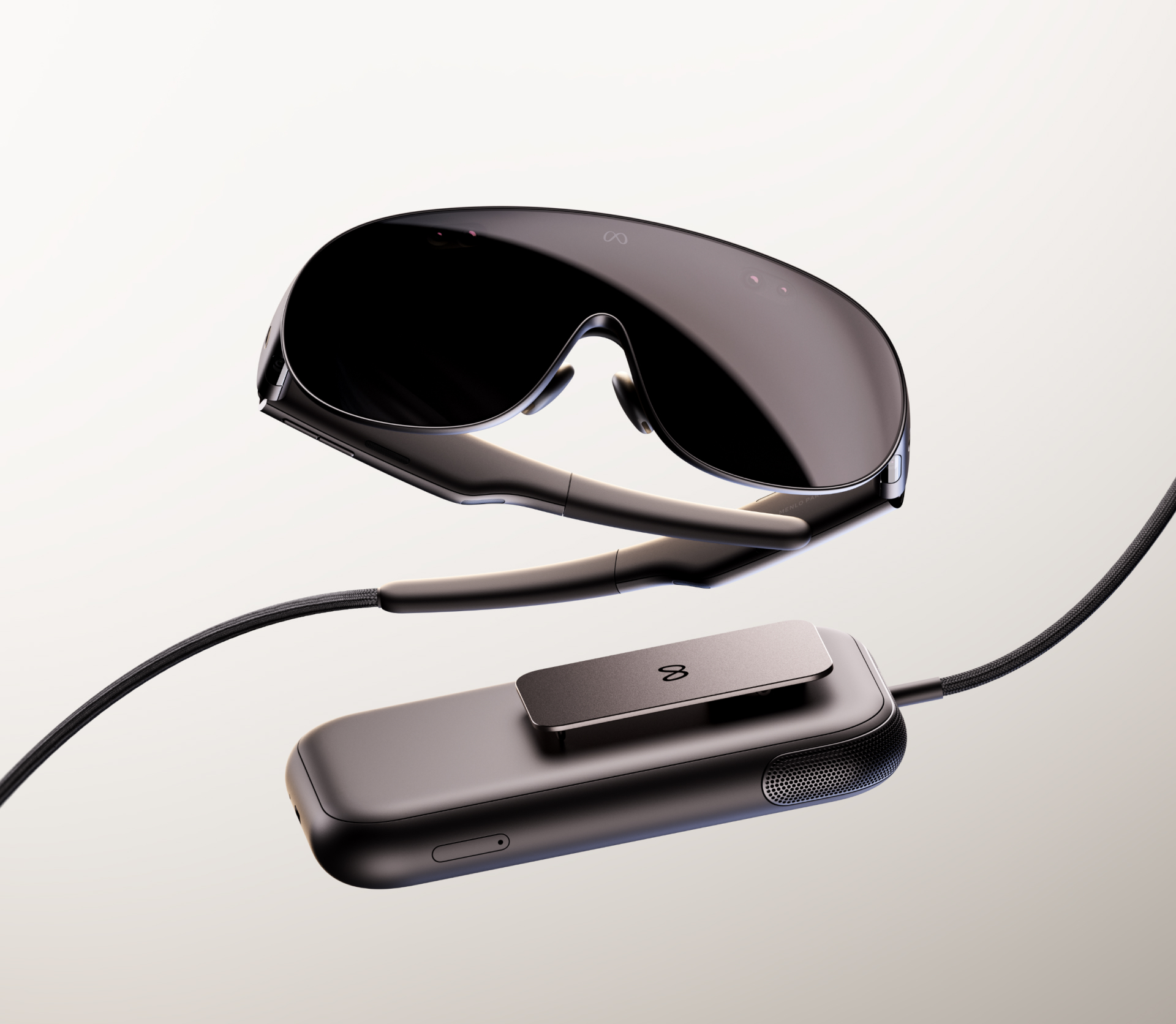
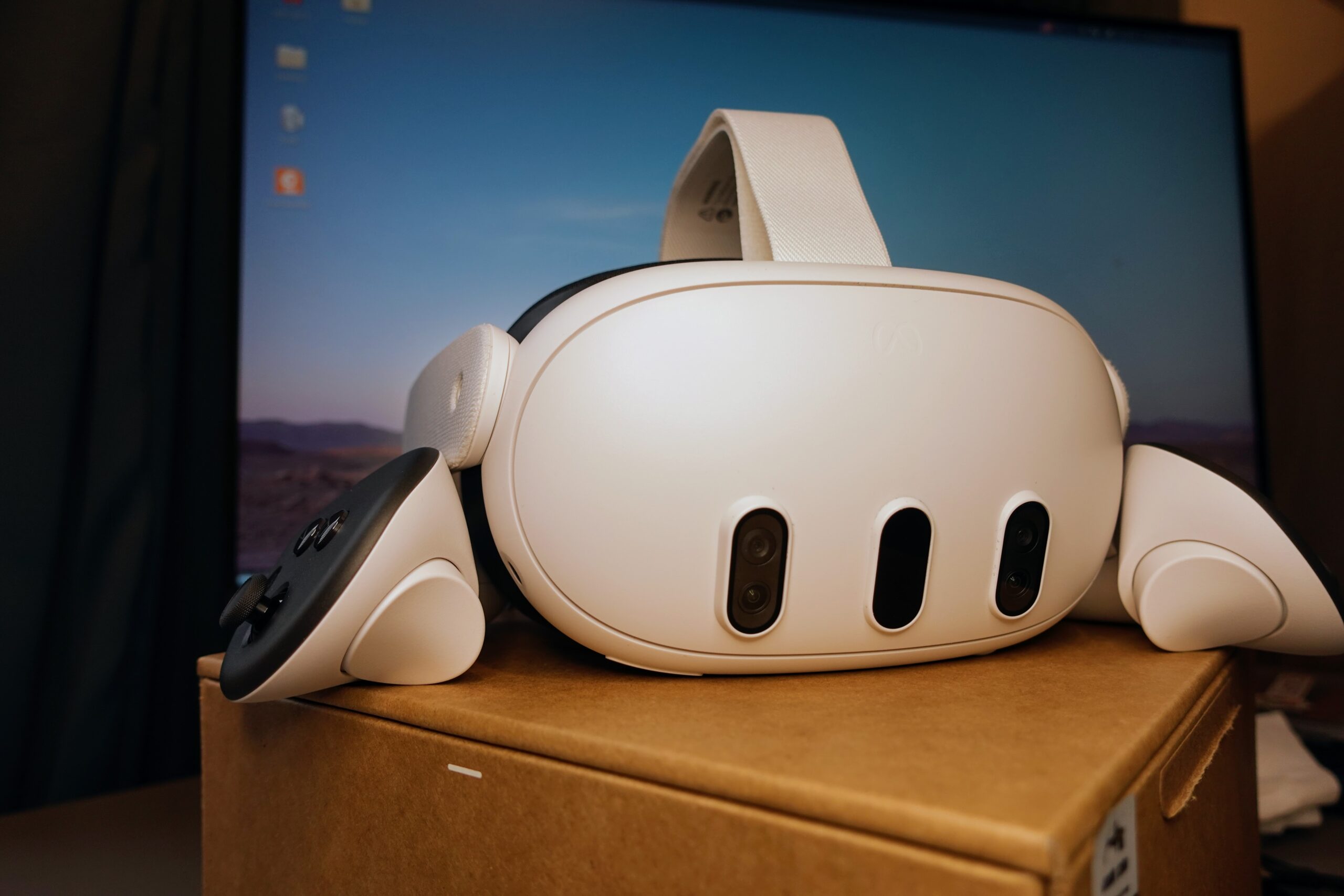
Meta’s Newsroom announcement prices the glasses at $1,299.99 for Spring 2027, with roughly 100 grams on the face—about five times lighter than Quest 3. Sensors and displays sit in a magnesium-alloy frame; compute, battery, and storage move into a pocket PUCK on an optical tether. AEC Mag notes full-colour passthrough, wireless or USB-C PC links, and the ability to turn a desk into a virtual keyboard—features that matter more to a BIM coordinator than a Beat Saber scoreboard.
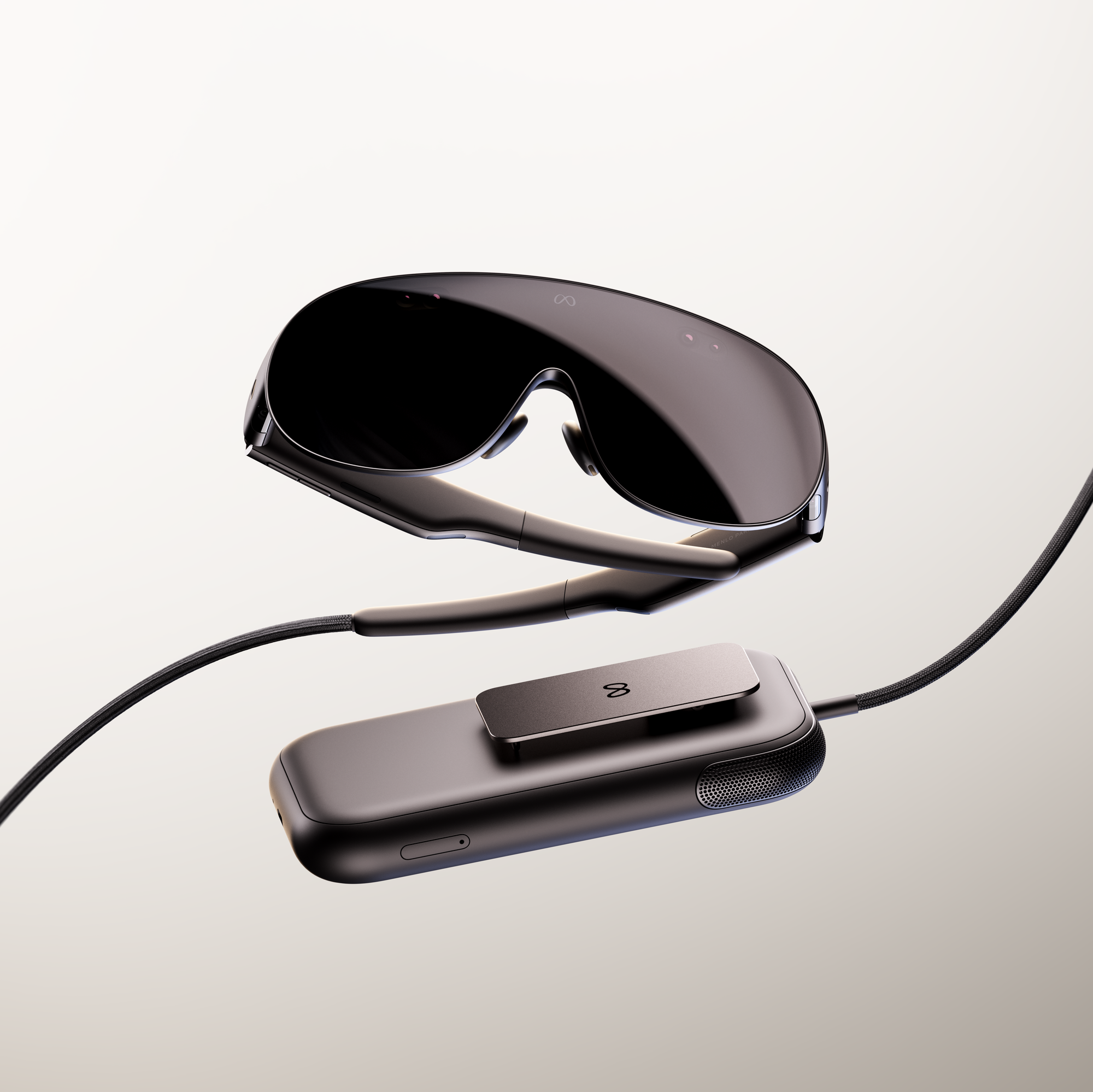
The trade-offs are spelled out without hype. Battery life is quoted at up to THREE HOURS for high-resolution media playback—not for streaming heavy BIM models. Controllers ship SEPARATE; default input is voice, eye tracking, and HAND GESTURES, with Touch Plus still compatible. Holographic calling via Zoom and WhatsApp is listed as a WORKROOM feature, not a metaverse hangout.
Why Weight Still Beats Resolution for Site Work
For architecture, engineering, and construction, AEC Mag argues the proposition is less about what the device adds than what it REMOVES. Weight, heat, and the ritual of donning a headset have been the PRACTICAL barriers to regular design review—more so than image quality. A 100 g glasses form with surroundings still visible addresses several of those objections at once.
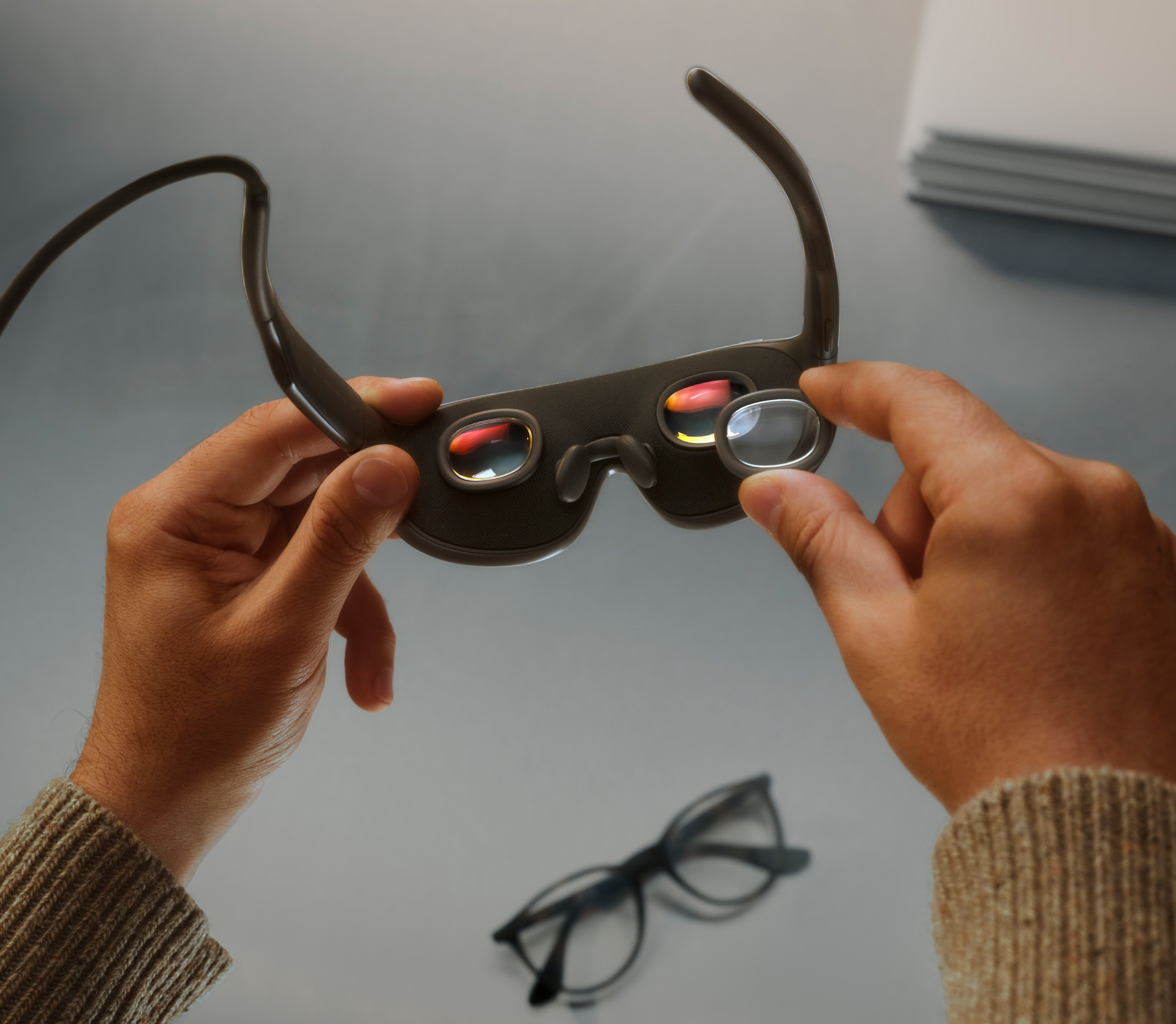
That framing DISTINGUISHES this take from the consumer compare pieces flooding the feed. Micro-OLED panels at a combined 5K and about 37 pixels per degree are cited for TEXT legibility—useful when reading annotations on a model—while the open sides and passthrough keep the desk, drawings, and jobsite in view. The puck tether remains the obvious MOBILITY tax.
The Enterprise Gap Meta Has Not Closed
AEC Mag’s sharpest line is COMMERCIAL, not technical. Meta’s launch materials say nothing about enterprise device management or professional application support. Firms that already run Quest-based design review will want CLEAR answers on which PC streaming renderers and BIM viewers survive the move to glasses—and whether Reality Labs’ shifting VR strategy leaves those workflows STRANDED.

Until those answers land, Meta VR Glasses remain a promising form factor for AEC—not a PROCUREMENT decision. The 100 g pitch is REAL. The missing MDM sheet, BIM load testing, and ISV roadmaps are equally real. Spring 2027 is when the construction SITE will decide which story ages BETTER.
Related Coverage
Sources
AEC Magazine — Meta unveils lightweight VR Glasses (Sep 29, 2026)
Meta Newsroom — Introducing Meta VR Glasses