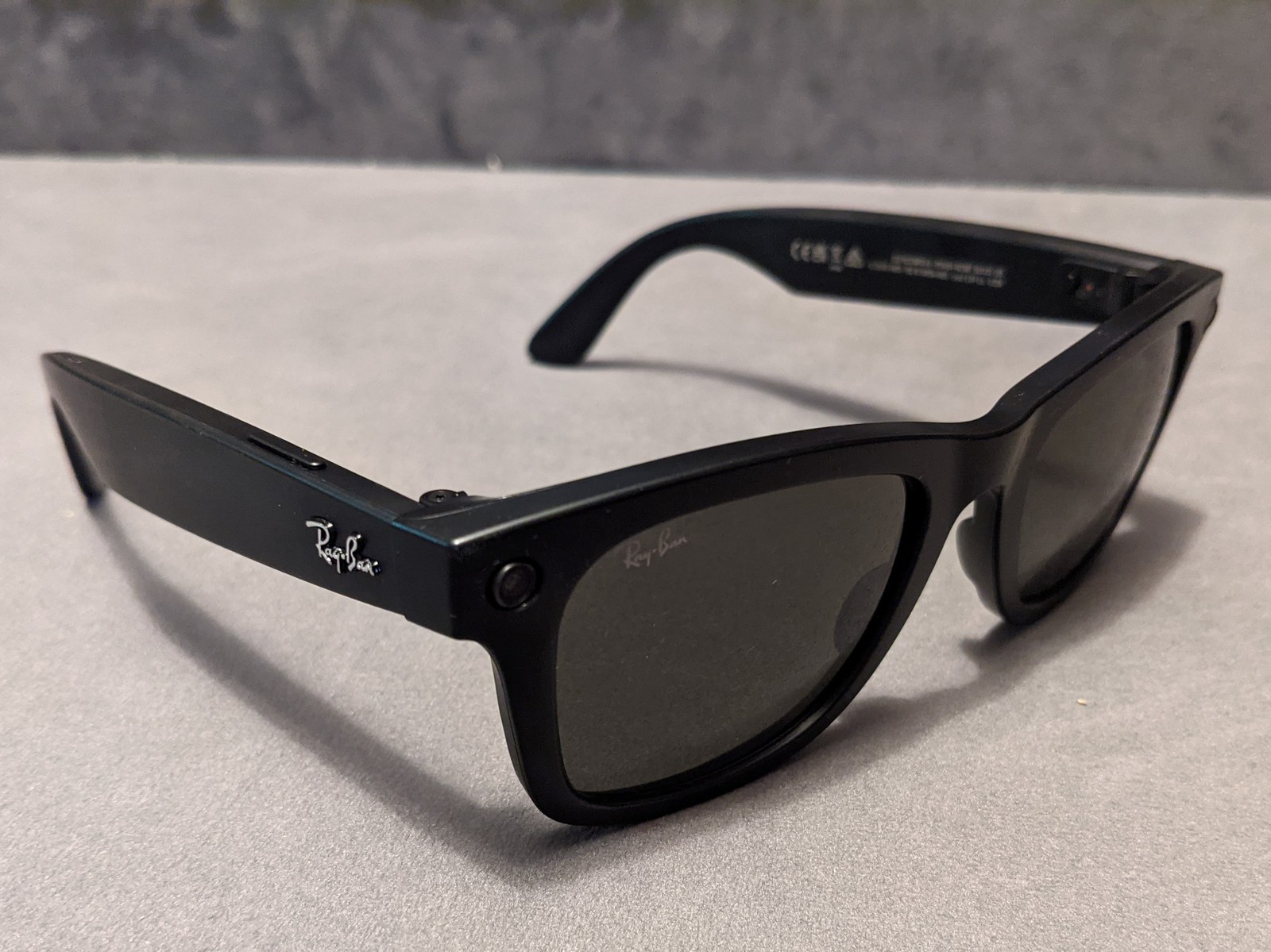
At Qualcomm’s Snapdragon Summit on September 23, 2026, a Maui-based startup named Awear stepped out of stealth with a BLUNT thesis: your AI agent should BELONG to you, not to the glasses, phone, or brand that happens to be on your face. The company framed a cross-device, CONTEXT-AWARE intelligence layer that starts on smart glasses built around Snapdragon AR1+, then aims to carry the SAME agent into phones, vehicles, and robots without RESETTING identity, preferences, or context. Device makers, in Awear’s telling, still design the look and feel — they just stop owning the persistent assistant. The pitch is SIMPLE and HARD at once: user-owned AGENTS, brand-owned EXPERIENCES.
What Awear Actually Announced
Per Awear’s September 23 PR Newswire release, the product is a multimodal intelligence layer for personal AI. People CREATE and shape private agents; those agents are meant to MOVE across devices and brands. Brands keep room to differentiate — eyewear makers define how glasses behave; automakers build vehicle-specific experiences — while interacting with the agent the customer already shaped. Smart glasses are the START, not the ceiling. The release says the stack is built on Snapdragon AR1+ and that Awear is already working with an initial group of device and eyewear partners. It does NOT name those partners, ship dates, or pricing. That silence is MATERIAL for anyone trying to SEPARATE a summit demo from a shipping PLATFORM.
RuntimeWire’s same-day report stresses the commercial tension inside that pitch: device makers have STRONG reasons to keep assistants inside their own services, and Awear is asking them to SHARE the customer relationship with an agent that is deliberately not TIED to one maker’s hardware. The announcement establishes a thesis and a first SILICON platform; it leaves the technical mechanism for carrying identity across brands largely UNDESCRIBED. Until that mechanism is public, portability stays a CLAIM, not a demo people can AUDIT. Silicon alone does not PROVE the HANDOFF.
Founders From Apple, Meta, Microsoft, and Wikimedia
CEO Dr. Ash Saulsbury is the through-line. The launch release says he worked on core technologies behind AirPods and Apple Watch in Apple’s Advanced Technology Group, spent two years at Meta incubating technology and design for Ray-Ban smart glasses, and led Microsoft’s AR1 silicon program. That résumé sits at the INTERSECTION of wearables, Meta’s glasses stack, and the Snapdragon AR1 lineage Awear is shipping against. FEW founders can claim that FULL path from silicon to consumer frames. The team is SMALL and PURPOSE built for the BET.
Co-founders FILL the trust and brand GAPS the thesis requires. Jan Eißfeldt, former Global Head of Trust and Safety at the Wikimedia Foundation, and Lila Tretikov, former Wikimedia Foundation CEO and former Microsoft Deputy CTO, lead privacy and trust architecture. Jennifer Van Beek, COO, brings prestige-brand EXPERIENCE from LVMH and similar houses — the argument that adding AI need not ERASE a brand’s design language. Eißfeldt’s quoted line in the release is BLUNT: if the business depends on advertising and monetizing attention or data, privacy stays in TENSION with profit. Awear is positioning itself as a company built around different incentives from day ONE. Trust is the PRODUCT, not a brochure line. Privacy is STRUCTURAL, not optional.
Why Portability Matters for Glasses
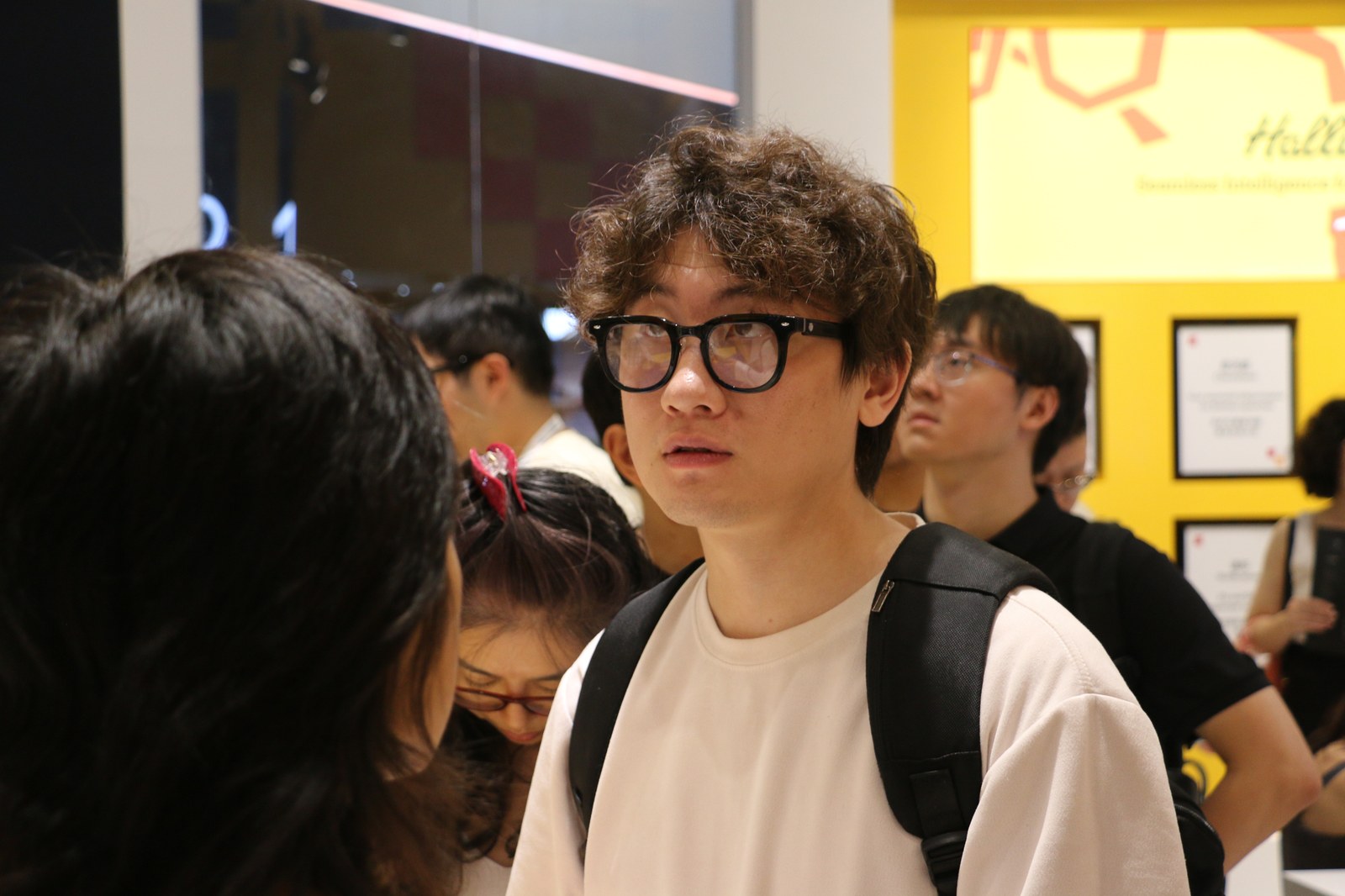
Glasses change the STAKES. An assistant that can see what you see and hear what you hear is no longer a chat window — it is a PERSISTENT interface. If every brand SHIPS its own LOCKED assistant, users collect FRAGMENTED memories across frames. Awear’s COUNTER move is to put the agent under the wearer’s CONTROL and let brands COMPETE on experience around it. That is also why privacy is not a side note: a portable multimodal agent can accumulate more INTIMATE context than a phone chatbot. The company says trust is ARCHITECTURAL, not a feature bolted on later. Independent coverage notes the claim is CLEAR while implementation details — where data lives, who can access it, how deletion works across brands — are still THIN. Always-on cameras make those gaps COSTLY. Without clear deletion paths, portability becomes a LIABILITY.
The competitive field is not EMPTY. Meta’s Muse-powered Ray-Ban lineup, Snap’s Specs Intelligence cross-device pitch, and a wave of Snapdragon AR1 / AR1+ glasses all chase the same ALWAYS ON interface. Awear’s differentiation is OWNERSHIP of the agent rather than ownership of the hardware SKU. Whether brands accept an assistant they do not fully control is the REAL product test. Until partners are NAMED and a shipping path APPEARS, the Snapdragon Summit debut remains a platform BET, not a retail launch. That is the RIGHT way to read a stealth exit: thesis FIRST, SKU later. Brands will only JOIN if the agent does not ERASE their EDGE.
What to Watch Next
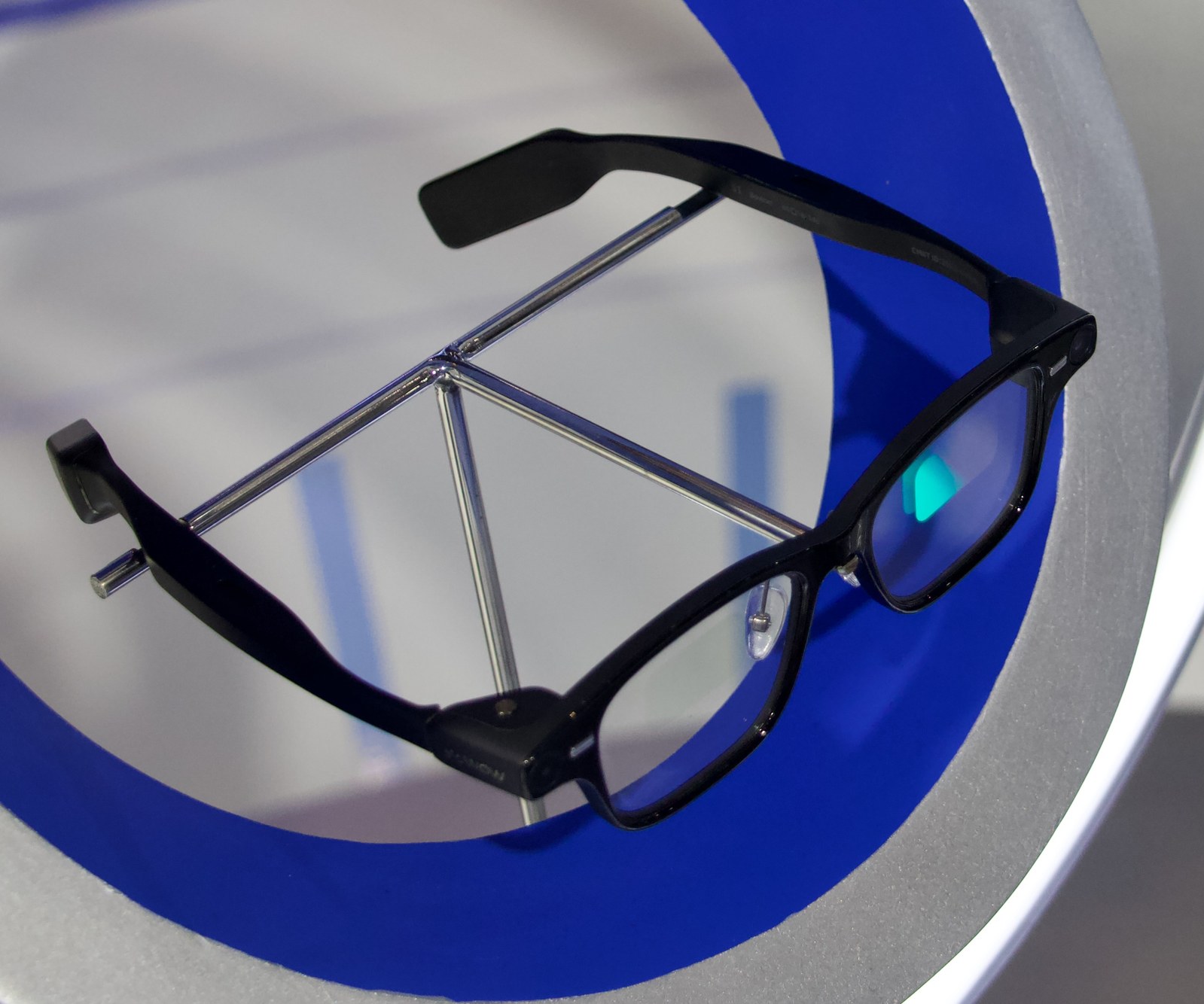
Three signals will DECIDE if this is more than a summit STAGE line. FIRST, named eyewear or device partners — without them, “working with” stays VAPOR. SECOND, a CONCRETE explanation of how agent identity and memory MOVE between makers without a cloud vault that becomes the product. THIRD, a consumer or developer surface people can actually TRY. Until then, Awear has drawn a SHARP line in the glasses-AI fight: the agent FOLLOWS the person, the brand still designs the world around it, and Snapdragon AR1+ is the first silicon bet. For an industry RACING to put cameras and models on FACES, that ownership SPLIT is the part worth TRACKING. The next NAMED partner will matter more than another keynote reel. Portability only counts when it is PROVEN in the wild. Until then, treat the launch as a DIRECTION, not a device.