Forbes contributor Benny Har-Even spent September 27 reading META VR GLASSES as cinema hardware, not just another Quest successor. The headline claim is blunt: Meta wants an IMAX-SCALE screen on your face, and the company now holds the first IMAX ENHANCED certification ever granted to a VR device.

That certification is not marketing fluff alone. Meta’s newsroom and Quest blog both state the glasses are the first IMAX Enhanced certified VR hardware, meant to play select titles in IMAX’s expanded aspect ratio at HOME. PetaPixel framed the same pitch days earlier: tall-and-wide IMAX framing inside a wearable display.
Cinema Specs, Narrow Window
Forbes lists the panel stack that matters for movie watchers: dual micro-OLED panels at 2,412 × 2,288 per eye, pitched as a 5K INFINITE DISPLAY, with about 37 PIXELS per degree. Refresh hits 120 HZ with DOLBY VISION for HDR movies; DOLBY ATMOS rides in the frames. Field of view is a tighter 70° × 66° — sharp text for a private cinema, not Quest 3’s wide play space.
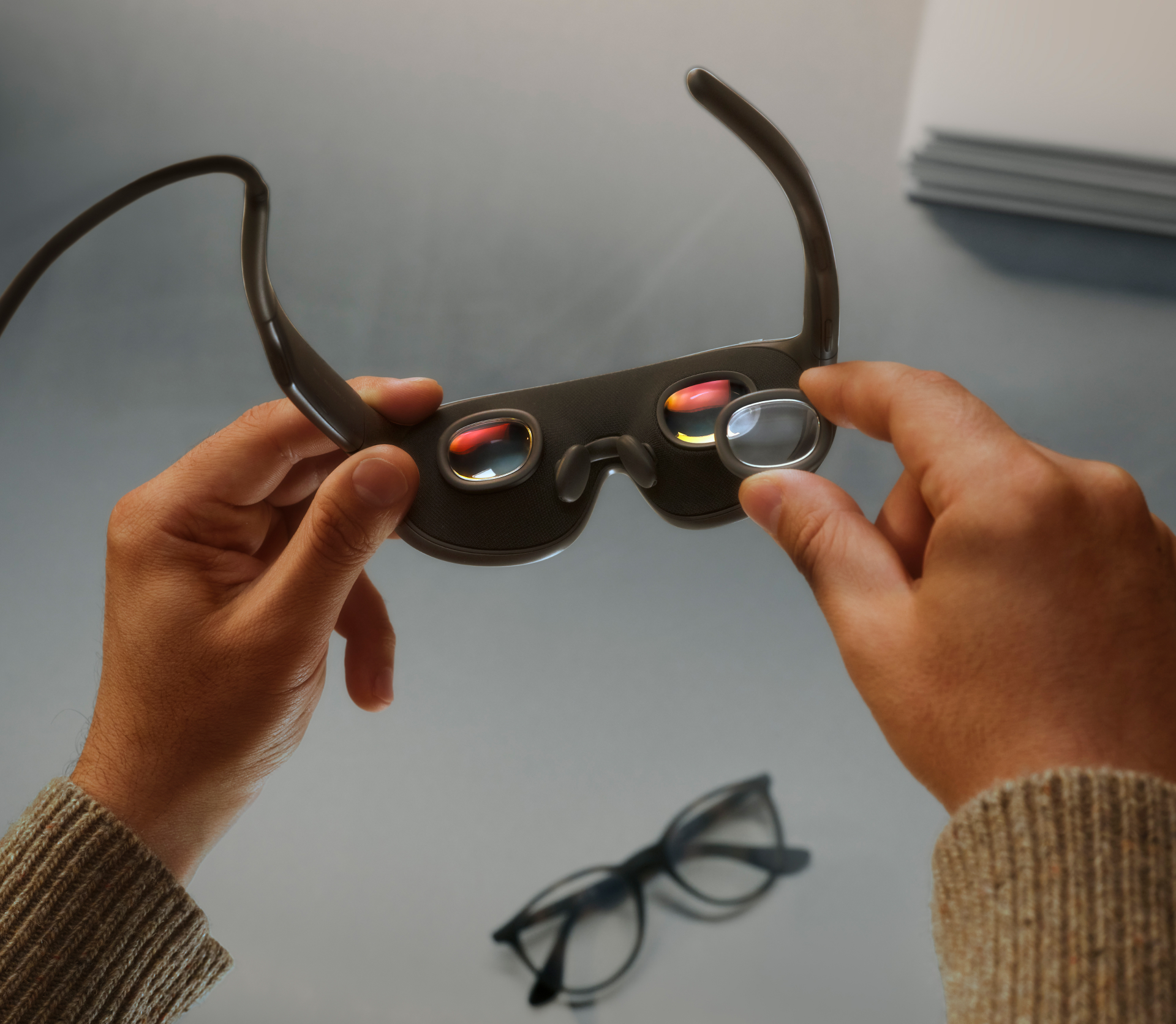
Weight stays the product’s other billboard number: about 100 GRAMS on the face because compute, battery, and storage live in a roughly 300-GRAM puck on an optical tether. Qualcomm’s SNAPDRAGON REALITY ELITE sits in that puck. Sale price is LOCKED at $1,299.99 for spring 2027 — far below Apple Vision Pro, still a serious consumer bet.
Three Hours Versus a Feature Film
Forbes’ useful caution is battery MATH. Meta claims UP TO THREE HOURS of high-resolution media playback. That is enough for many features, and not enough for either of the last two Avatar films in one sitting. The puck supports 45W fast charging, but the endurance claim remains an “up to” figure until retail units ship.
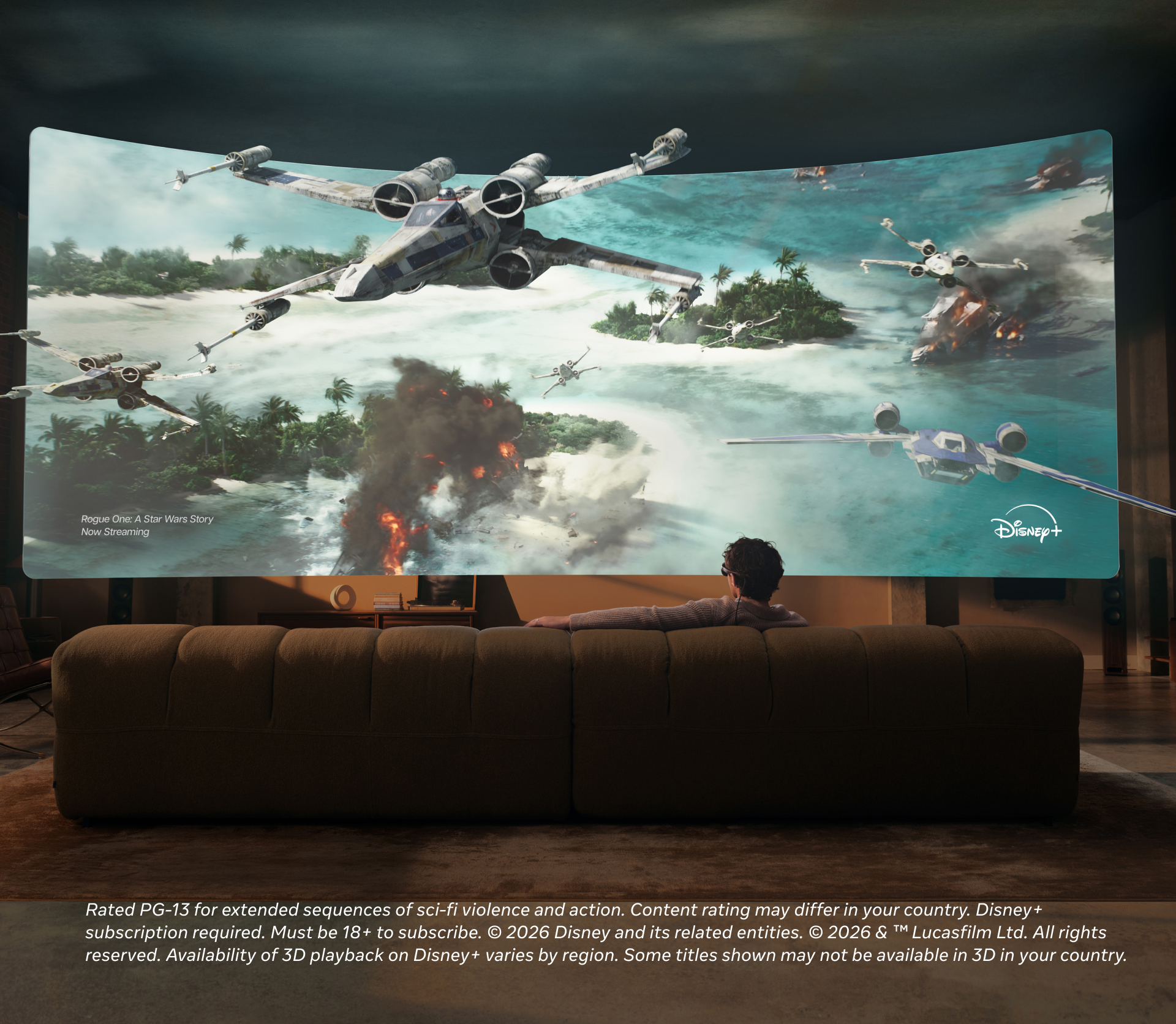
Software partners fill the rest of the cinema story. Disney+ 3D arrives for the first time outside Apple’s ecosystem in select countries from November on existing Quest hardware, with Immersive Cinema environments tied to Meta VR Glasses at launch. Meta also describes VR ENHANCED presentations — 3D film plus room-scale effects — that Forbes compared to a virtual Secret Cinema. Sports deals cover more than 100 LIVE U.S. events a year once the glasses ship.
UploadVR’s Connect sheet still anchors the hardware table: micro-OLED versus Quest 3 LCD, narrower FOV for higher angular resolution, optional Touch Plus controllers, and a catalog that begins with dozens of hand-first titles. The Forbes angle is simpler: if Meta’s spring device succeeds, it will be because it feels like a personal IMAX booth you can pack — not because it replaces every Quest GAME.
Sources: Forbes (Sep 27); Meta Newsroom; Meta Quest Blog; PetaPixel; UploadVR.