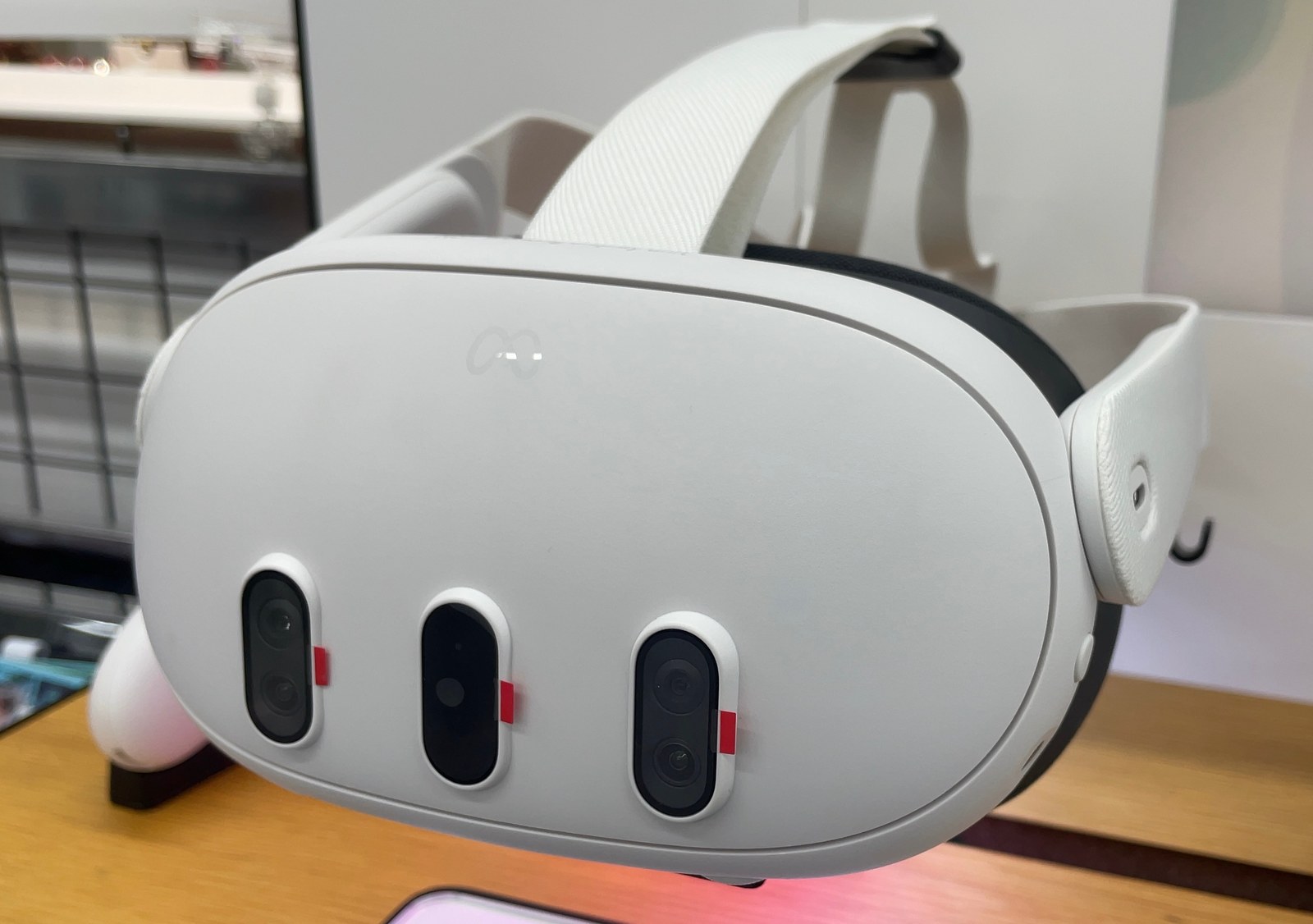
Meta XR Operator is live as an experimental piece of Meta XR Core SDK v205. It is an OpenXR API layer that lets any MCP-compatible AI coding agent see a running Unity VR app, drive head pose and controller input, take screenshots, and close a build-test-verify loop without a human on the headset. Meta published the tool on its Horizon OS Developers blog; Road to VR and VR.org covered the same drop.
What the layer actually does
Per Meta’s developer write-up, the layer sits between the app and the OpenXR runtime, intercepts calls the app already makes, and starts a local MCP server inside the process. A proxy wires that server to tools such as Claude Code, Codex, Cursor, Gemini CLI, or OpenCode. No app code changes are required for the base tool surface.
Agents can read room geometry and the Unity scene hierarchy, capture screenshots from Meta XR Simulator or Quest, set head position and orientation (including smooth moves), and drive Touch controller buttons, thumbsticks, triggers, and grips. Natural-language testing is part of the pitch: describe a scenario, get pass/fail with screenshot evidence. Meta says early testing included Beat Games (Beat Saber) and other SDK teams; a public demo had an agent write tic-tac-toe logic, aim a virtual controller, press A, and finish a full game.
The caveats Meta lists in public
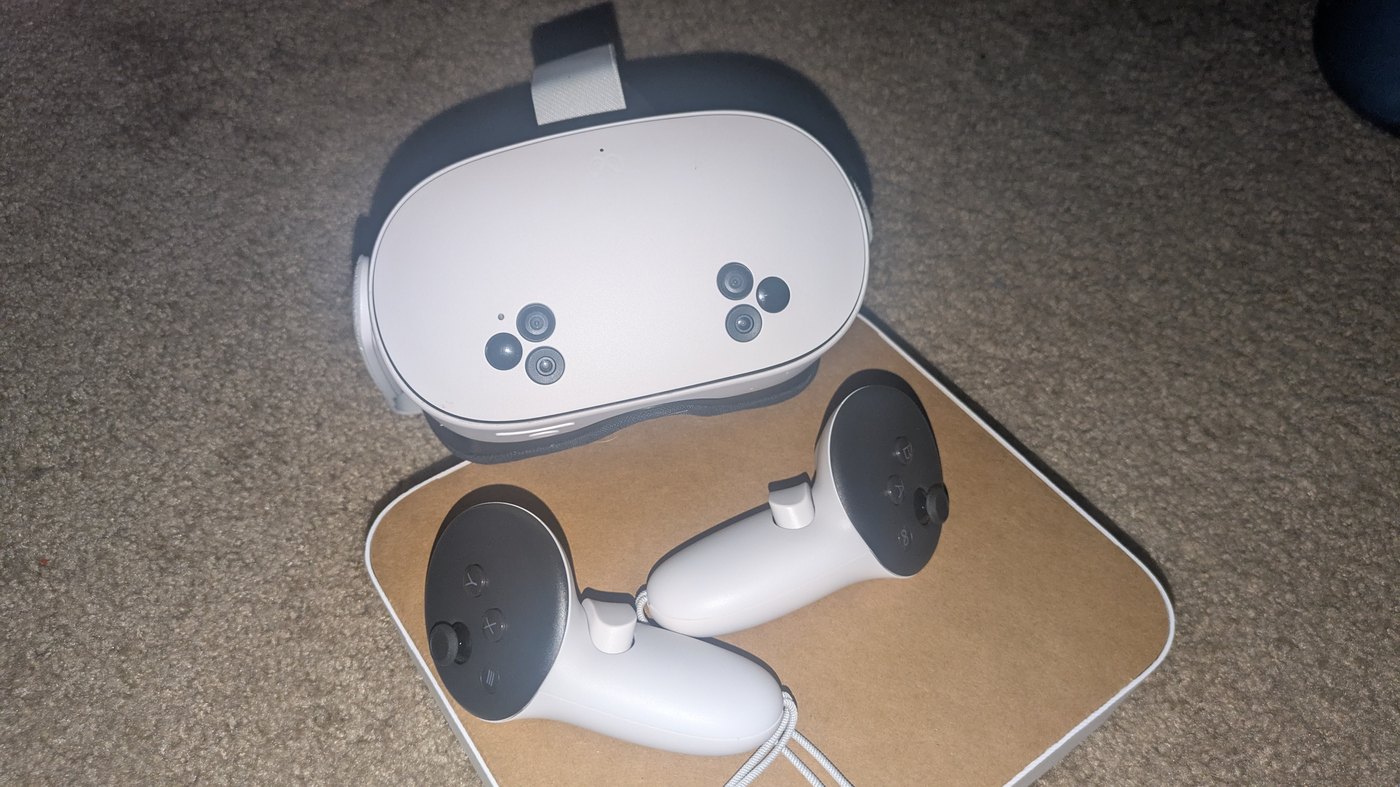
Meta is unusually blunt about the edges. The agent cannot hear audio. It cannot properly evaluate animation or motion. Individual finger tracking is out. Subtle visual defects are easy to miss. Moving interactions are hard because the agent is too slow for real-time play; Meta says it works best with “static, deterministic scenarios.” Unity is the supported path today. Godot and Unreal get a standalone OpenXR package and a do-it-yourself integration.
Requirements from the docs and secondary reporting: Unity 6000.0.x or later, Meta XR Core SDK v205+, OpenXR Plugin 1.17.0+, and an MCP-capable coding tool. Windows can use Quest Link or Meta XR Simulator; macOS on Apple Silicon is Simulator-only. The whole component is labeled experimental—tool names and behavior can change—so treat it as a menu-flow and regression helper, not a replacement for human QA.
Why it matters ahead of Connect
Meta Connect lands September 23–24. Road to VR framed XR Operator as part of a broader shift toward tooling that helps small teams ship Horizon Store content without Reality Labs writing the checks. For studios already on MCP agents, the missing piece was always the same: the agent could write code, but it could not play the headset build. That gap is narrower now, inside the limits Meta put on the record.
Start from Meta’s Horizon OS Developers blog post and the XR Operator overview, then pull Core SDK v205. Point an agent at a three-menu deep flow before you trust it with anything that moves.