Vertigo Rush is now Early Access on both Meta Quest and Steam: Quest since July 1, Steam since August 25, priced at $14.99. Sumalab’s parkour-racing pitch is simple and physical — your arms are the engine — and the first serious hands-on after the Steam open says the idea is strong while the challenge loop is still thin.
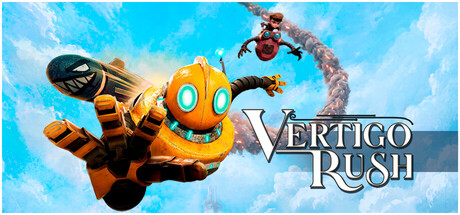
The studio behind Crisis VRigade is asking players to pilot bobble-headed kids on dieselpunk parkour bots through vertical urban courses. Locomotion is arm-swinging in the Gorilla Tag family, plus vaults, climbs, rail grabs, and rocket boosts. Power-ups let you knock rivals off the line. UploadVR’s Pete Austin, writing August 27 after playing on Quest 3, compared the premise to Sprint Vector more than to a kart racer with a steering wheel.
What is shipping in Early Access
Steam’s Early Access notes and the developer’s own store copy line up. The current build includes AI races, a Cup Series, Time Trials with global leaderboards, and online races with friends (Steam lists up to 10; some Quest marketing has floated higher party sizes). Multiple handcrafted tracks are live. Sumalab says the core locomotion and multiplayer systems are already in place, and it expects roughly six to twelve months of Early Access before a price bump at 1.0.

The full version is scoped to expand Story Mode around siblings Jack and Sarah, add more tracks, and keep polishing comfort, balance, and multiplayer. An August VR Games Showcase trailer also framed a winter 2026 full release window across Quest, SteamVR, and PlayStation VR — treat that as a target until Sumalab locks a day.
Where the hands-on lands
UploadVR liked the level design and the mix of verticality, branches, and movement toys. The critique is also clear: arm-swing timing felt fussier than Orion Drift, AI opponents were soft enough to win cups by a minute-plus, cosmetic bots had no handling stats, open matchmaking was missing (room codes only), and comfort options were thin for a high-speed locomotion game. Family Sharing worked, which matters if the intended audience is younger or shared-household play.
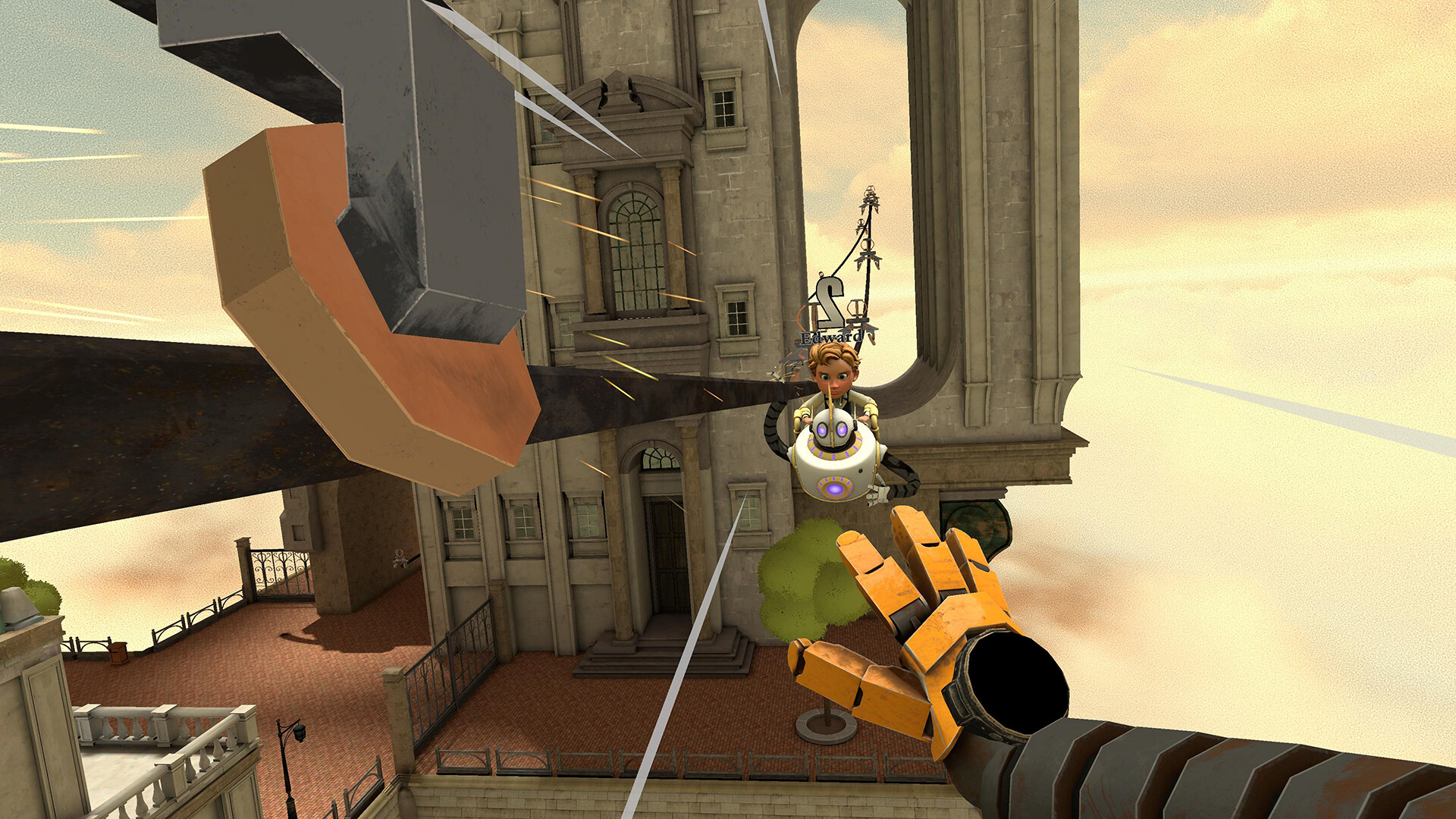
Quest store reviews are mixed in the useful way Early Access should be: praise for the movement fantasy and art direction, complaints about heat, dated textures while still taxing Quest 3, and requests to mute public lobbies or turn bots off when racing with friends. That is a development backlog, not a finished product review.
Why it matters this week
September’s Quest and Steam calendars are crowded with dated releases. Vertigo Rush is already buyable on both headsets at a mid-indie price, with an explicit feedback window and a stated plan to grow content rather than ship a frozen demo. If Sumalab hardens the locomotion, opens matchmaking, and gives AI (or ranked humans) a real fight, the Sprint Vector-shaped hole in the catalog gets a credible applicant. Until then, it is a charming Early Access build with a high skill floor and a short content runway — exactly what the Steam disclaimer is for.
Wishlist and buy links: Steam · UploadVR impressions · Sumalab / Quest storefront listings via the Horizon Store search for Vertigo Rush.