Updated October 22, 2026. By Metaverse Watcher staff.
Norway is moving toward one of the first national restrictions on camera-equipped AI glasses, but the details matter: as of October 22, 2026, NOTHING is banned yet. The government has announced that it will propose a temporary ban on using AI glasses in selected places, and a separate, broader opposition proposal is now sitting in a parliamentary committee. Here is what each plan covers, what it leaves out, and what it could mean for Meta, Snap, Google’s Android XR partners and everyone else selling glasses with cameras in Europe.
What the Norwegian government announced
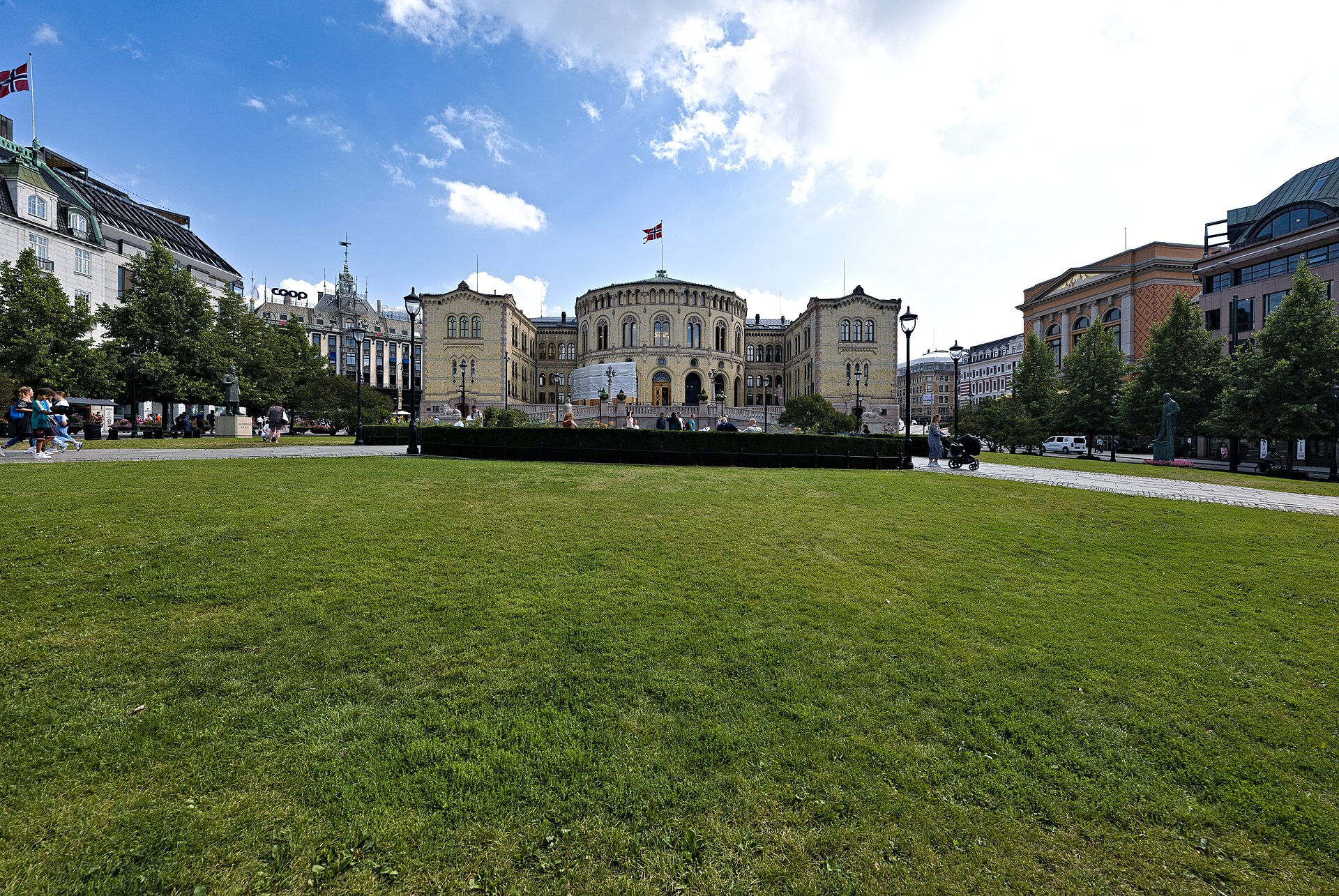
On October 5, 2026, the Ministry of Digitalisation and Public Governance said the government will bring a bill to the Storting “as quickly as possible” for a TEMPORARY ban on the use of AI glasses (“KI-briller”) in selected locations, according to the official press release. At the same time, it will appoint an expert group to advise on permanent national rules for body-worn technology.
“I am worried that new, powerful technology is being introduced where people risk being photographed, filmed or audio-recorded without knowing it,” Digitalisation Minister Torgeir Micaelsen said, as reported by Reuters.
The ministry listed three groups of places the ban could cover:
- Places the public regularly passes through: parks, beaches, museums, shopping centres, playgrounds, amusement parks, and sports, music and cultural events.
- Places for children: schools, kindergartens, playgrounds and youth clubs. Universities and colleges may be added.
- Privacy-sensitive places: health institutions including doctors’ offices, swimming pools, and gyms with changing rooms and showers.
The government said it is NOT planning a total ban. Private use, and use in places where wearers are unlikely to capture other people without consent, would remain legal. The ministry also said exemptions would be possible for vulnerable groups and for limited uses with a clear public benefit.
What is still undecided
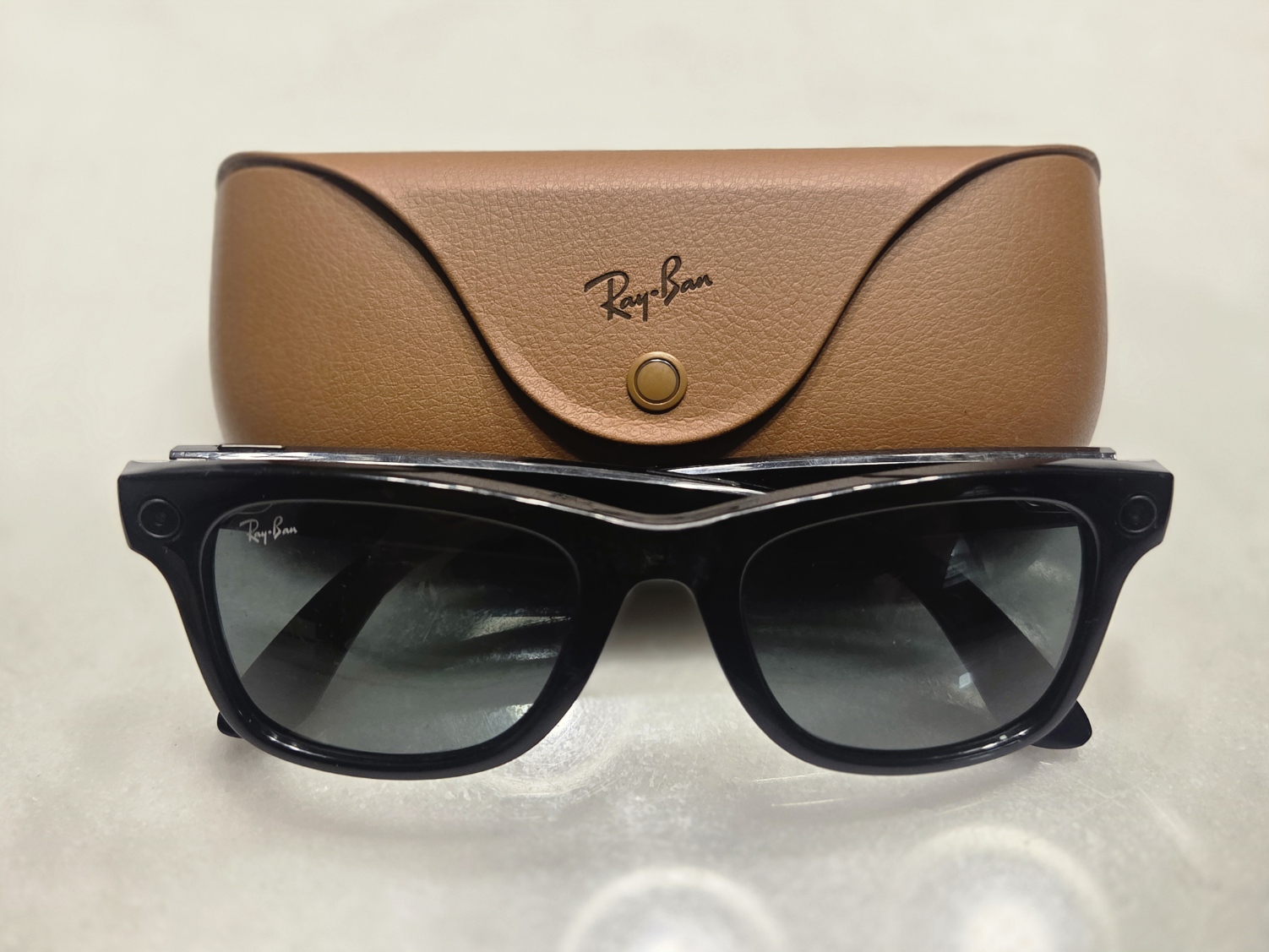
The announcement is a policy signal, not a law. The press release gives no legal text, consultation deadline or start date. The biggest open question is scope. The ministry said it still has to decide whether the ban targets glasses with a camera and audio recording, glasses with a camera plus AI features, or a wider class of body-worn devices with cameras, microphones or AI. That choice decides whether display-only glasses with no camera, such as some of the models in our best smart glasses of 2026 guide, fall inside the rules at all.
Norwegian law firm Legal247 summarizes the current position plainly: AI smart glasses are not banned in Norway today, but filming other people beyond purely private use already falls under the GDPR, facial recognition in practice requires explicit consent, and use at work counts as a control measure under the Working Environment Act. Shops can already bar customers from wearing the glasses on their premises, just as they can ban photography.
The broader proposal now in committee
The same day, Socialist Left Party MPs Kirsti Bergstø and Mirell Høyer-Berntsen filed a representative proposal (Dokument 8:8 S, 2026–2027) asking for a temporary ban on both the sale and use of body-worn technology with built-in cameras or other sensors that enable covert surveillance, with an exception for people who rely on the devices as an aid. It goes further than the government’s plan because it covers sales and is not limited to specific places.
That proposal was announced in the Storting on October 15 and referred to the Standing Committee on Local Government and Public Administration. The Storting case page lists its status as under committee consideration. Because Labour governs as a minority, it will need support from other parties to pass its own bill, as The Guardian noted.
| Government plan (Oct 5) | SV proposal (Dok. 8:8 S) | |
|---|---|---|
| Type of ban | Temporary, use only | Temporary, sale and use |
| Where it applies | Selected public, child-focused and privacy-sensitive places | Not limited to specific places |
| Private use | Still allowed | Restricted until permanent rules exist |
| Exemptions | Vulnerable groups, limited public-benefit uses | People who need the device as an aid |
| Status on Oct 22 | Bill promised, not yet filed | In committee |
Why it matters for the smart glasses market
Norway is a small market, but it is the first European government to say it will legislate place-based limits on AI glasses rather than leave it to venue owners. That matters because pressure is building elsewhere. In the Netherlands, rights groups have taken Meta’s camera glasses to court in Amsterdam, and in Nigeria the army cited Meta glasses in a journalist’s detention. The Guardian also points to existing limits in UK and US courtrooms and in pubs, cinemas and restaurants.
The disability exemption is the clause to watch. Blind and low-vision users increasingly rely on AI glasses to read text and describe surroundings; Milan’s Brera museum, for example, now lends Meta AI glasses to blind visitors. A ban covering museums with no workable exemption would cut against exactly that use, and Legal247 warns that a blanket ban could run into Norway’s Equality and Anti-Discrimination Act.
For manufacturers, the scope decision is the real risk. If Norway defines the ban around cameras and audio recording, display-first glasses could escape it and gain a selling point. If it covers any body-worn device with AI and sensors, it would reach most of the new category, including camera-equipped Android XR glasses and Snap SPECS.
What happens next
The next concrete step is the government’s bill, which will define which devices and places are covered and when the ban would start. The committee will also have to report on the SV proposal. Until then, Norwegians can legally wear AI glasses in public, subject to existing privacy law and any venue’s own rules. Metaverse Watcher will update this page when the bill text is published.
Sources: Regjeringen.no press release (Oct 5, 2026); Stortinget case page; Reuters; The Guardian; Legal247.