PhoneArena’s IFA floor test of RayNeo GT Max lands on September 6. The 59° FOV claim holds up on a Steam Deck. Dolby Vision still needs Pocket TV Pro.
PhoneArena published a fresh RayNeo GT Max hands-on on September 6, 2026 — two days into IFA Berlin and two days after retail sales opened. That is a different beat from our earlier MSRP rundown. Preslav Kateliev put the glasses on the show floor, hooked them to a Steam Deck, and came back with a practical read on the “widest FOV” claim RayNeo has been leading with all week.
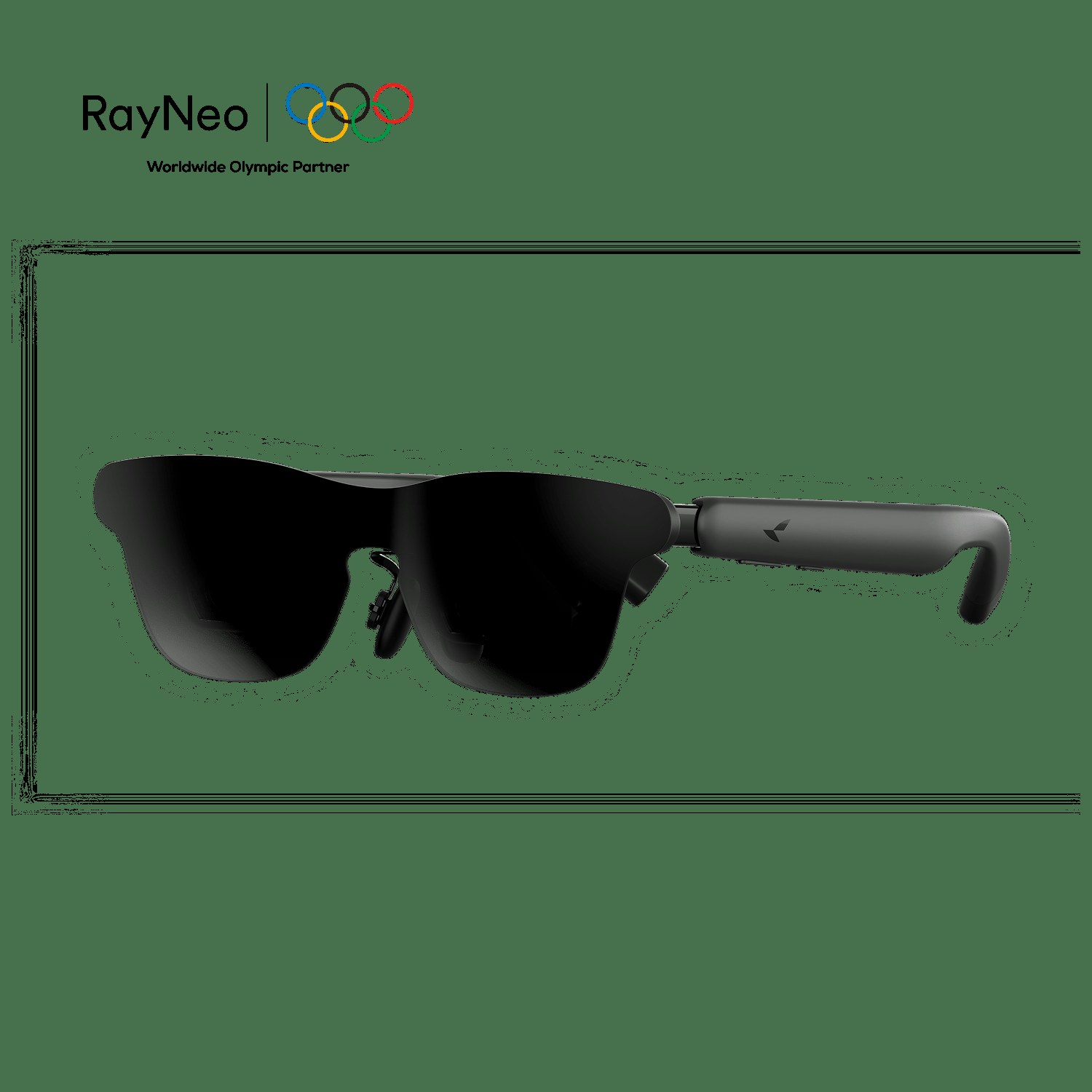
What PhoneArena actually saw
The headline number is still 59 degrees of field of view. PhoneArena frames that as a market-leading FOV for this class of birdbath-style display glasses, with a virtual screen sized around a 267-inch living-room equivalent in the demo. That sits under RayNeo’s own ceiling of up to 307 inches depending on mode, as listed in the company’s September product guide and IFA press release.
On the Steam Deck Red Dead Redemption demo, Kateliev called the image big, colorful, and contrast-strong. The GT Max uses tandem MicroOLED panels, a claimed 120 Hz path, and up to about 1,200 nits perceived brightness. Audio is the Bang & Olufsen–tuned quad-speaker stack RayNeo showed with Dolby at Hall 21A — though a convention floor is a terrible place to judge bass, and PhoneArena notes as much.

3DoF modes, not 6DoF spatial computing
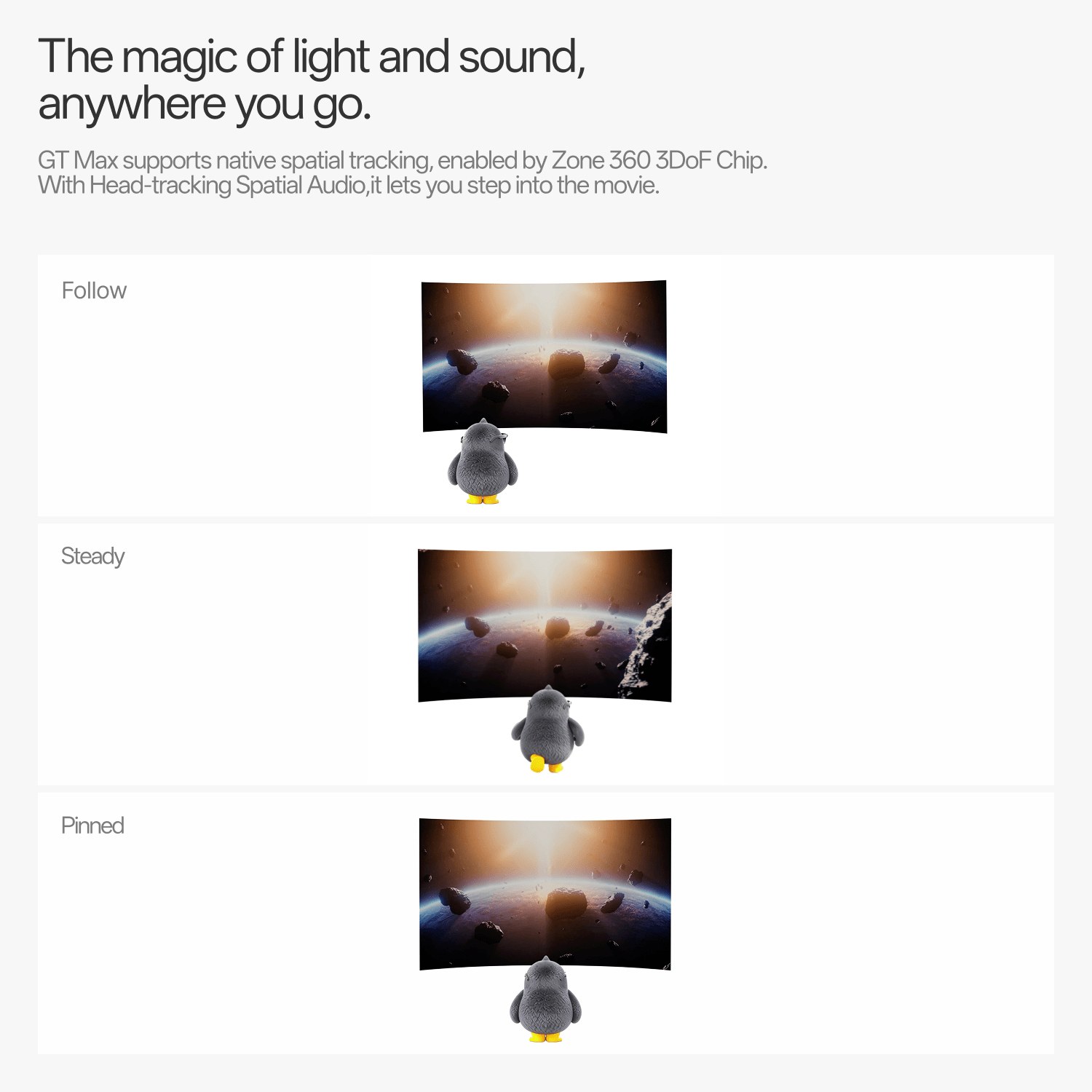
GT Max is still a display tether, not an Android XR headset. A dedicated Zone 360 chip handles rotational tracking with three screen behaviors PhoneArena and RayNeo both emphasize:
- Follow — the classic float that tracks your head.
- Steady — damps micro-movements for commuting and walking.
- Pinned — parks the virtual screen in space using 3DoF.
That is useful for trains and planes. It is not Quest-class positional tracking. GSMDome’s IFA write-up makes the same distinction: dual-chip image processing plus rotation, not a full 6DoF spatial computer. Buyers comparing GT Max to XREAL Aura or Galaxy XR are comparing different products — portable cinema glasses versus see-through Android XR.
Price is clear. Dolby Vision is not free.
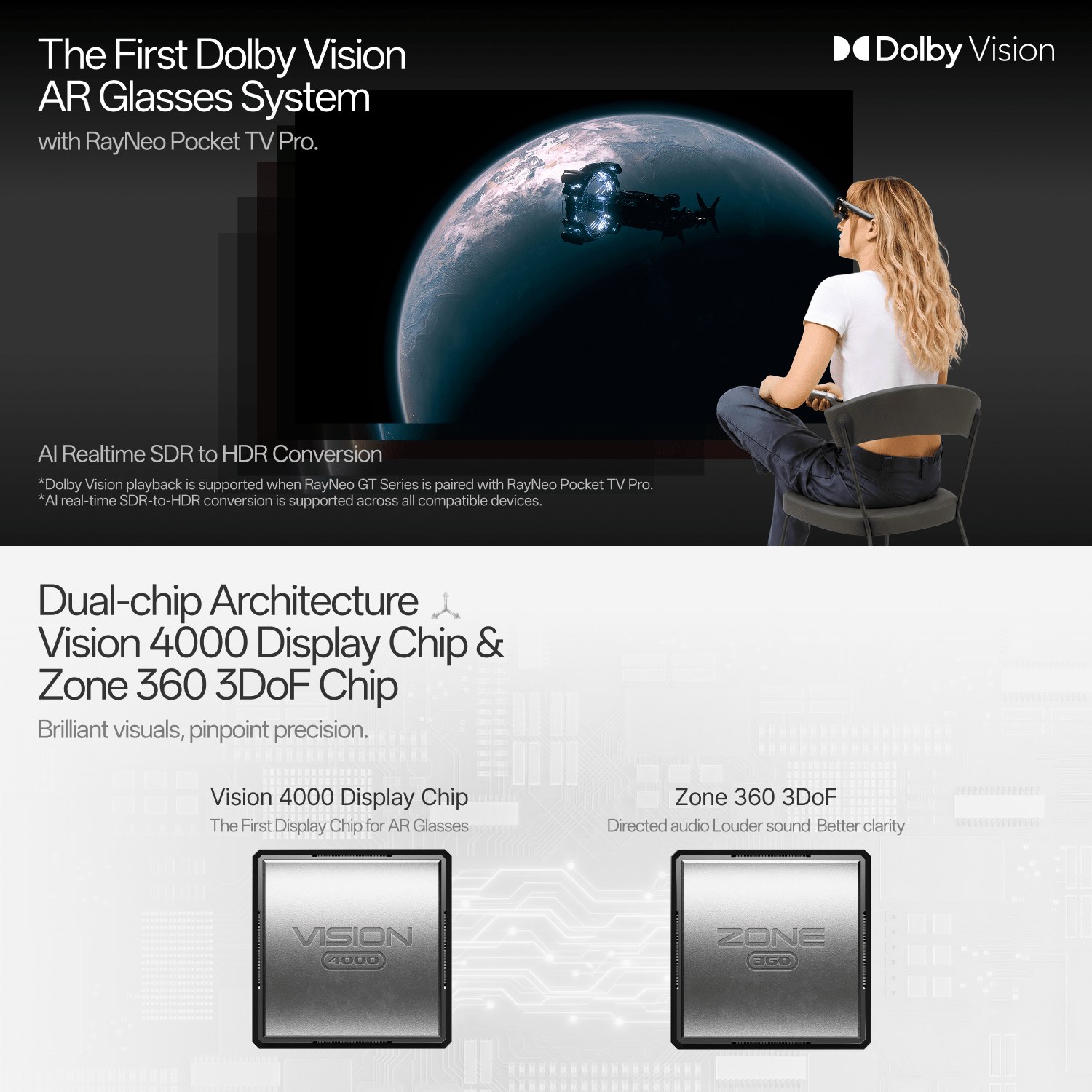
MSRP is $429 / €489, with a launch-period cut of $30 that PhoneArena saw as $399 on the floor — matching RayNeo’s live store listing. The lighter GT sibling stays at $329/$299. Native Dolby Vision still requires RayNeo’s Pocket TV Pro ($199). Plug into an arbitrary USB-C phone and you get DisplayPort Alt Mode video; you do not automatically get Dolby Vision. That caveat belongs in every “first Dolby Vision AR glasses” headline.
Retail opened September 4 through rayneo.com and Amazon across roughly 40 markets. GT Max sits beside the camera-free iO AI glasses ($499) and the lighter 46° GT. PhoneArena’s takeaway is enthusiast-friendly without pretending these replace all-day Meta-style eyewear: the FOV jump and MicroOLED stack are the reason to try them; the accessory tax and 3DoF ceiling are the reason to read the fine print.
2 thoughts on “RayNeo GT Max Hands-On: 59 Degree FOV Holds at IFA”