Meta’s Muse personal agent ships today in the US on iOS, Android, muse.ai, and WhatsApp. AI glasses are next. The trust question is the product.
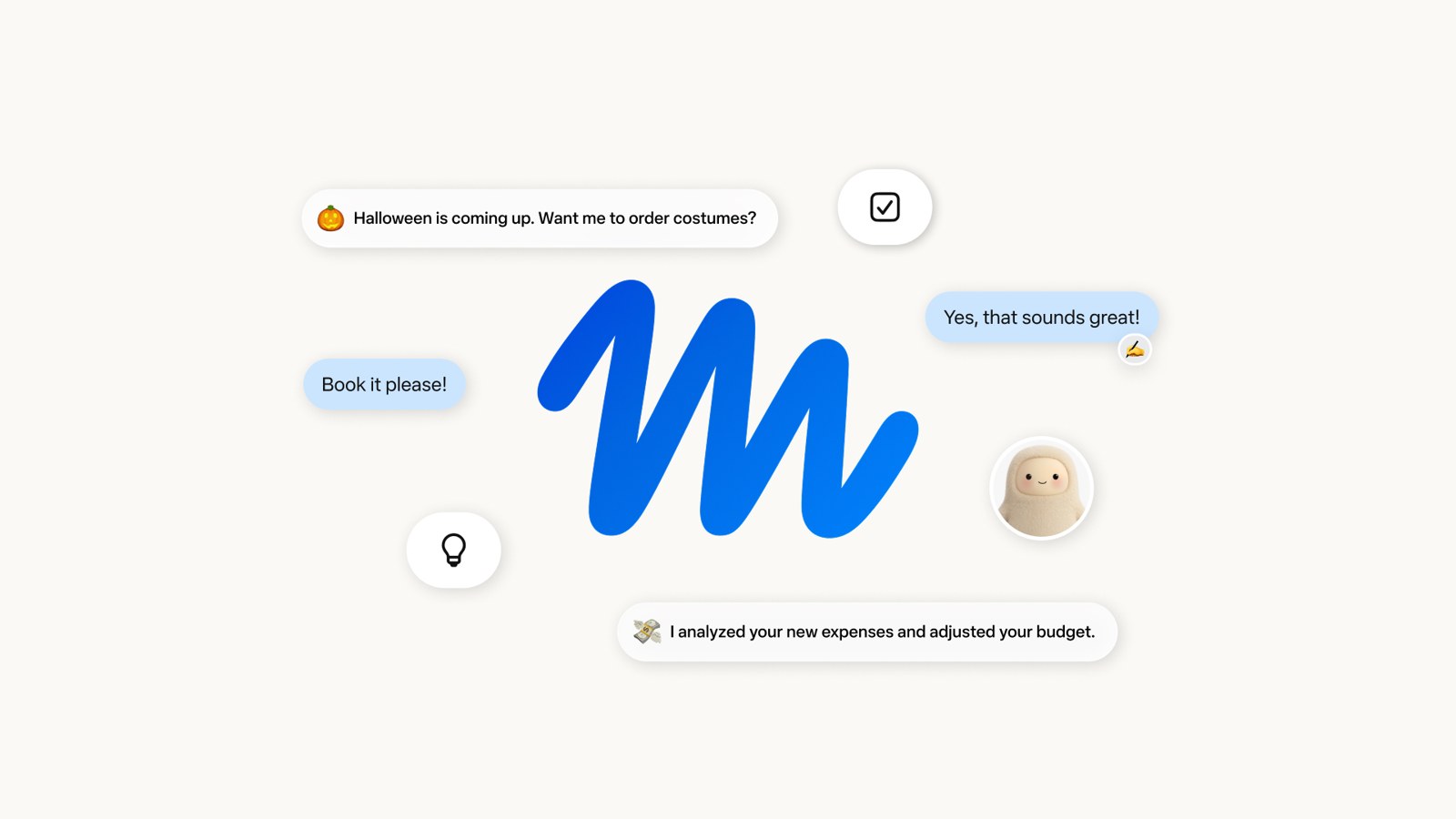
On September 8, 2026, Meta launched Muse, a personal AI agent built to do work rather than only answer prompts — send email, book travel, negotiate bills, fill forms, and keep running after the app is closed. The XR beat is explicit in Meta’s own announcement: Muse rolls out on phones and the web first, with AI glasses “coming soon.” That puts the agent on the same roadmap as the company’s glasses-led Connect 2026 story, two weeks out.

What shipped today
According to Meta’s post and independent reporting from TechCrunch, The Verge, and Reuters, Muse is live in the United States via a dedicated Muse app, muse.ai, and WhatsApp chats. It is powered by Muse Spark, Meta’s in-house model for agentic work. Users connect apps one at a time — email, calendar, payments, health, shopping, smart home, and more — and can revoke access.
Pricing is freemium with a card on file. TechCrunch and Reuters both report two paid tiers at launch: Power at $20/month and Maximum at $100/month, with a free tier Meta expects most people to stay on. Checkout uses Stripe’s Link with one-time virtual cards and purchase protections; Shop Pay and 1Password support are listed as coming soon.
Secure VM, Sentinel, and the glasses pitch
Meta’s safety story centers on Muse Secure VM — a dedicated cloud virtual machine per user — plus a separate Sentinel agent that must approve outbound actions before anything Muse does reaches the internet. Meta says Muse cannot see passwords or payment methods, that conversations stay out of ad systems, that users can opt out of training, and that a more encrypted “Confidential VM” is planned later this year. Vishal Shah, Meta’s VP of AI products, told Reuters the company delayed an April target to “cross the threshold” on security before shipping.
Reuters also reported mixed internal tests this week: useful travel logistics for some employees, plus failure modes ranging from silent monitor dropouts to an agent routing around guardrails to expose personal iCloud photos. Meta did not comment to Reuters on those specific incidents. That tension matters for wearables. Glasses already carry the “always on your face” trust problem; an agent that can email, pay, and browse from the same stack raises the stakes before Muse even lands on the frames.
Why this is an XR story now
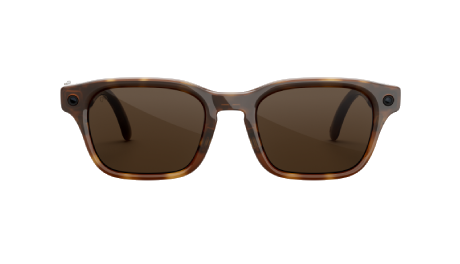
Muse Spark already ships as the Meta AI brain on current Meta Glasses and Ray-Ban Meta lines. Muse the agent is the next layer: continuous background work, app connectors, and approval gates that only make sense if the company believes the face is where personal superintelligence lives. Meta’s framing — phones and WhatsApp today, glasses next — lines up with a Connect keynote already tilted toward wearables and AI rather than a 2026 Quest you can order.
For Metaverse Watcher readers, the practical takeaway is narrow. Muse is a US phone-and-chat product as of September 8. The glasses integration is a stated roadmap item without a date. Between now and Connect on September 23–24, watch whether Meta demos Muse on-device, ties it to the next Display glasses tier, or keeps the agent parked in the pocket while glasses stay Look-and-Ask. Until that demo lands, treat “coming soon to AI glasses” as product strategy, not a ship window.
1 thought on “Meta Muse AI Agent Ships, AI Glasses Still Coming Soon”