Dutch nanoimprint specialist Morphotonics closed a Series B of more than €40 MILLION on September 22, 2026, with a €20 MILLION convertible LOAN from the European Investment Bank aimed at the AR WAVEGUIDE BOTTLENECK inside next-generation AI glasses.
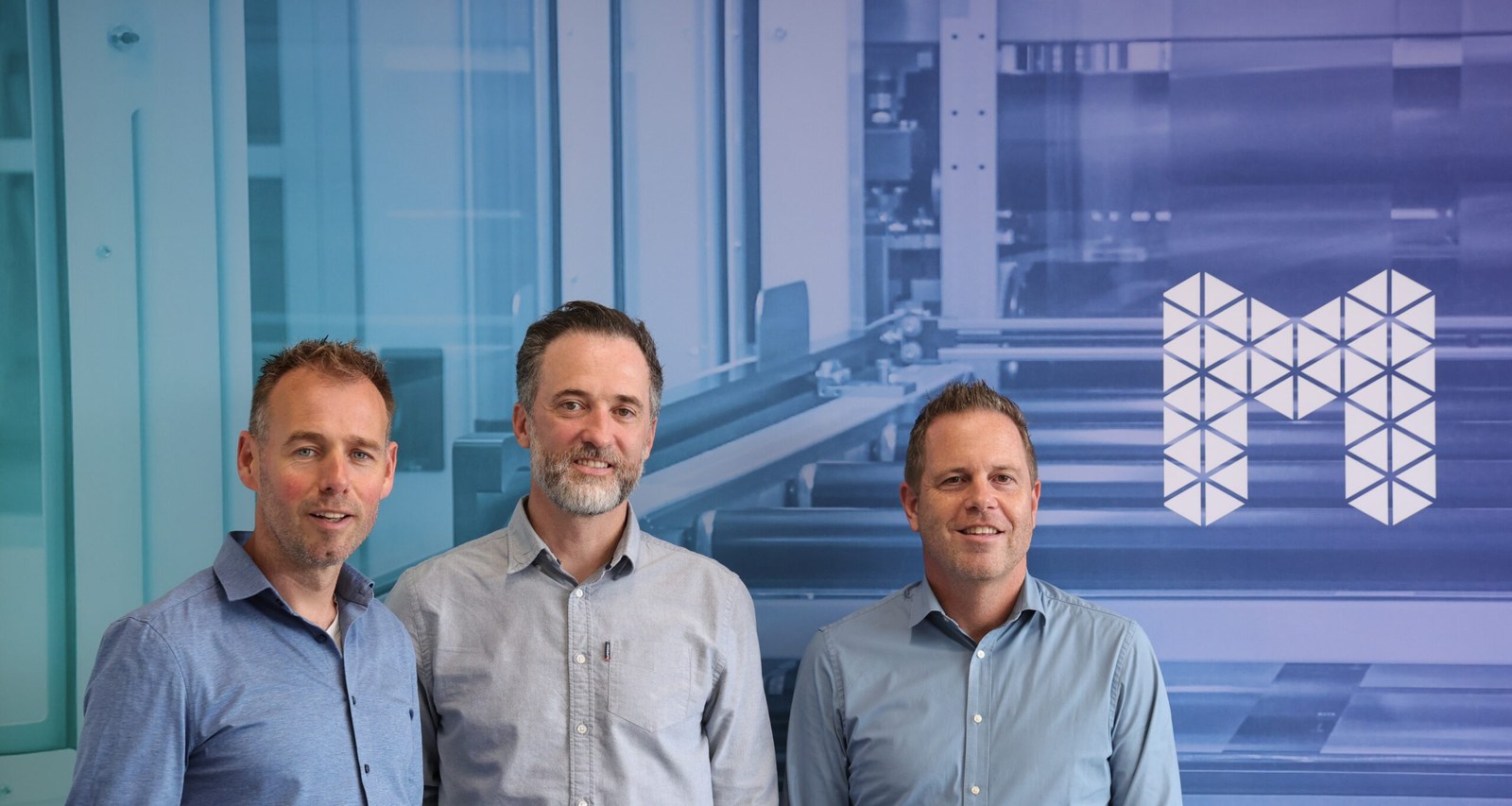
The company sits in VELDHOVEN, inside the Brainport technology CLUSTER, and sells LARGE-AREA nanoimprint lithography PLATFORMS rather than finished GLASSES. Its customers are the MANUFACTURERS who must turn an optical DESIGN into a finished PART. Returning investors 3M Ventures, Innovation Industries, and BOM increased their COMMITMENTS. Invest-NL joined as a major new investor, with further participation from the European Innovation Council Fund, Ernij Next, and the EIB under the European Commission’s InvestEU programme.
A waveguide is the transparent optic that carries a projected IMAGE across a lens and into the wearer’s EYE. Morphotonics says waveguides remain among the most DIFFICULT and expensive components to make at consumer-electronics SCALE, and that existing methods can be SLOW, costly, and hard to ADAPT to a new optical design. Its process presses nano- and microscopic PATTERNS into a liquid resin coating using a mould, then hardens the resin in place with UV light so manufacturers can reproduce those structures across a large substrate at higher VOLUME and lower COST.
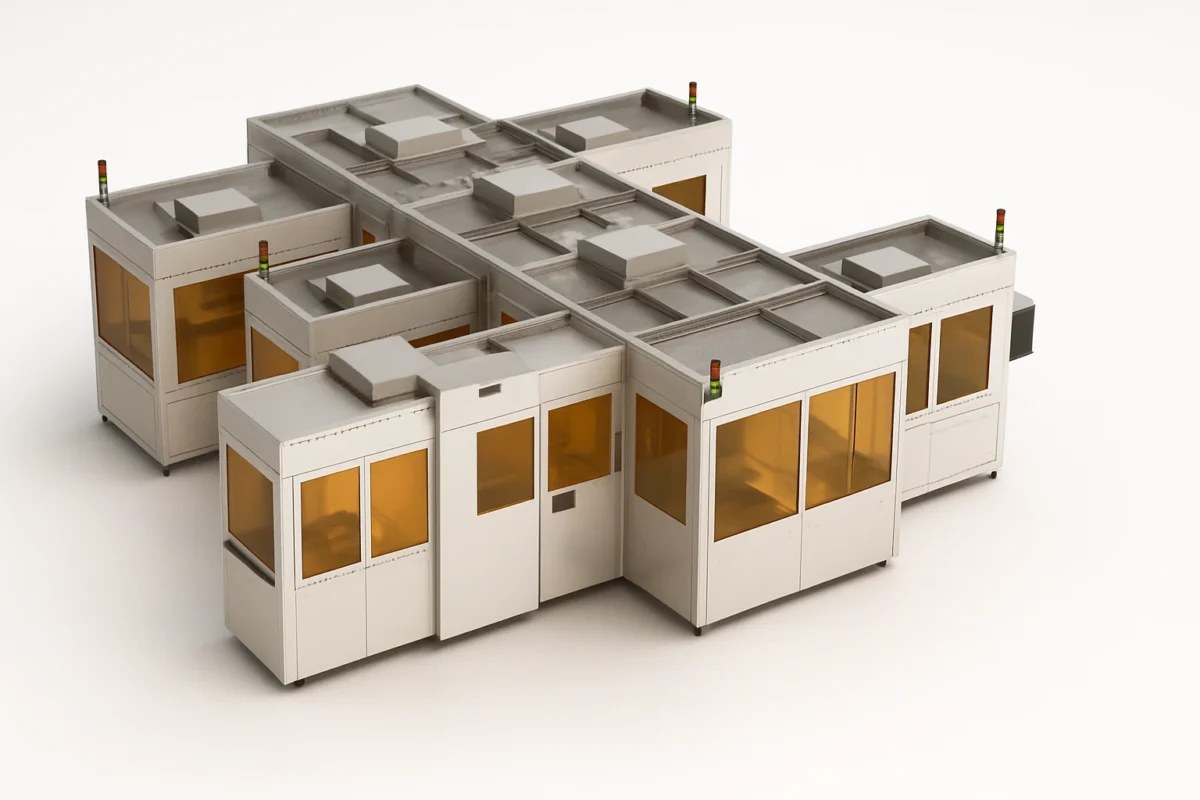
Over the past year the firm has been developing CYPRIS, a platform built specifically for high-volume waveguide MANUFACTURE. The round will pay for more Cypris production CAPACITY, further product development, bigger engineering, commercial and support TEAMS, and an after-sales network. Morphotonics says revenue TRIPLED in 2025 against 2024 and that it installed several high-volume platforms WORLDWIDE over the same period. It is working with device and component manufacturers in CHINA, Taiwan, the United STATES, and Europe as they develop production processes for AI glasses and other optical systems. Neither the BANK nor the company names a CUSTOMER, gives a capacity figure, or puts a cost on a finished waveguide.
“AI is moving off the screen and into the real world, into glasses, spatial systems, and a new generation of intelligent devices,” said Hugo da Silva, CEO of Morphotonics, in the company’s announcement. “But these and similar devices will not reach mass ADOPTION unless the optical components inside them can be manufactured at consumer-electronics scale.” The EIB’s Chantal Schrijver framed the LOAN as a competitiveness PLAY: if Europe wants to stay COMPETITIVE, it needs to stay in front on cutting-edge technology and keep local companies financed to GROW at HOME.
The market numbers Morphotonics cites are second-hand. It points to Counterpoint Research’s estimate that consumers will spend more than $1 TRILLION on wearables between 2026 and 2032, with smart glasses alone expected to generate $44 BILLION in sales by 2032. Beyond AI glasses and augmented reality, the company says its technology may also serve displays, sensors, and photonic systems, including Co-Packaged Optics for future computing and data-center INFRASTRUCTURE. Mixed-News and Tech.eu both covered the close on September 22–23.
Display glasses have not been short of launches this season, from Snap’s Specs to ultralight Kickstarter headsets that have yet to ship. The Morphotonics money goes a step further back, into the MACHINES that stamp the optics rather than into another pair of frames. That is the quieter BET behind the AI glasses CYCLE: without consumer-scale WAVEGUIDES, the software story STALLS at the lens.