Meta is pushing back on the privacy backlash around its camera glasses. In an interview with Irish broadcaster RTÉ News published October 23, 2026, Maxine Williams, Meta’s vice president for accessibility and engagement, argued that the glasses are the only common recording device with a hardwired warning built in, and that the venue bans now spreading across Europe and beyond are shutting out people who depend on them.
What Meta Said About the Recording Light
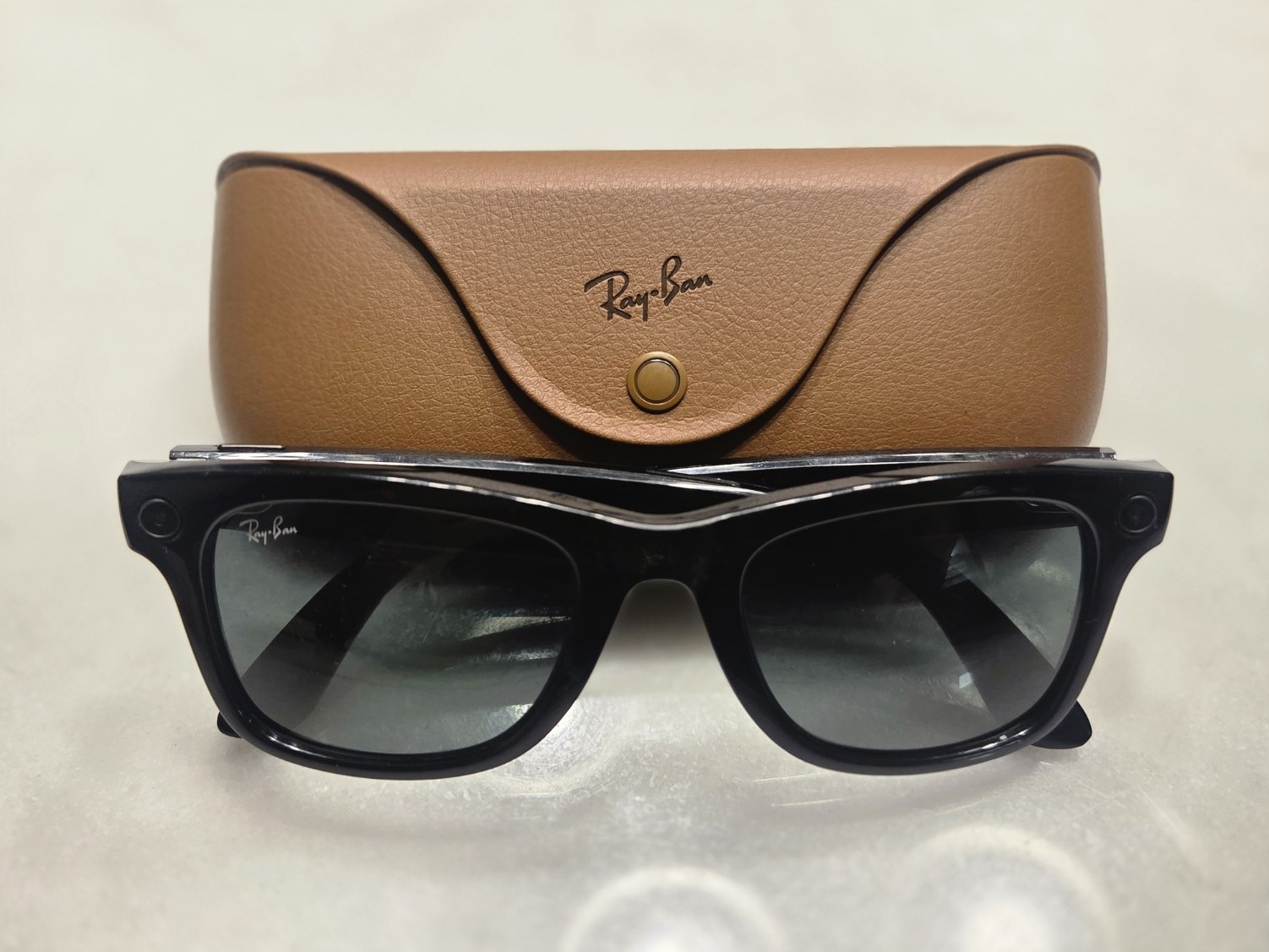
Asked about people using the glasses to film women and girls without consent and post the footage online, Williams said any recording device can be misused. Her distinction: “these are the only ones where there is actually built into it, hardwired, a warning, a notification that you are being filmed.” An LED blinks when video or a photo is being captured, and, she said, “if you try to tamper with that or cover it, the camera stops.”
RTÉ noted that there are many reports of people defeating the light by drilling it out or covering it. Williams framed Meta’s response as iterative: “We learned that they were covering the light and so we built something in to stop that,” and “We learned that people were trying to drill the light to disable it, so we built something to stop that.” She did not describe how the newer anti-tamper measures work or which models have them, and the interview does not include that detail.
Where Photos Go, According to Meta
On data handling, Williams drew a line between ordinary captures and AI queries. “If you take a photo on your glasses, it remains on your device. It goes to nobody, nowhere else,” she said. But asking Meta AI a visual question, such as what plant you are looking at, requires the glasses to take and analyze a photo, and “that photo could then be used to keep training the model.” She said users now have an option to opt out of their images being used for AI training.
That distinction matters, because it is exactly where regulators are focused. The European Data Protection Board has said smart glasses makers and AI providers are often GDPR controllers who cannot shift their duties onto wearers, and it wants recording made more obvious to bystanders. RTÉ also recalled reports from earlier this year that workers at a Meta contractor in Kenya had to review graphic, intimate images captured by the glasses, which cuts against the idea that AI-routed captures are invisible to people.
The Accessibility Argument Against Bans
Williams’ stronger case is accessibility. She described blind users asking the glasses to identify what is in front of them, or to tell beans from peas in their own kitchen. Meta announced in August that it would donate 15,000 AI glasses to Vision Ireland, the national sight loss charity, according to RTÉ. That follows a smaller pledge we covered earlier this month: 1,000 Ray-Ban Meta glasses for Singapore disability groups.
She also described being turned away from a store while wearing her glasses, even though staff were “very happy for me to film anything with a phone.” That echoes the position of UK groups including RNIB and Guide Dogs, who have warned that blanket bans shut out blind users who rely on the devices.
Why This Interview Lands Now
The pressure on camera glasses is no longer just bars and gyms. Norway is weighing a smart glasses ban proposal now in committee. In the Netherlands, consumer groups are taking Meta to summary proceedings in Amsterdam on November 26. In the U.S., courthouse rules differ by state, and in Austria a court overturned a student’s expulsion while a school ban option is being prepared.
Meta’s message is consistent: a visible LED plus tamper detection, on-device storage for normal photos, and an opt-out for AI training. The open questions are equally consistent. How reliable is tamper detection against the drilling and covering RTÉ describes? How clear is it to wearers when a capture is routed to Meta AI rather than kept locally? And will regulators accept an LED as adequate notice to bystanders, or demand more? The Amsterdam hearing in late November is the next concrete test.
For a buyer’s view of the hardware itself, including which models have cameras and which do not, see our guide to the best smart glasses of 2026.
Source: RTÉ News, “Meta defends AI smart glasses amid criticism,” October 23, 2026.