Digital Foundry published a September 15 deep dive with Valve software developer Pierre-Loup Griffais and hardware engineer Josh Hudman — a technical briefing that sits beside today’s AUTOMATON WEST interview without repeating it. Where Automaton pressed inventory and Alyx assets, Digital Foundry presses tile-based Vulkan work, foveation plumbing, experimental 144 Hz, and why Frame is priced like a small PC that happens to live on your head.
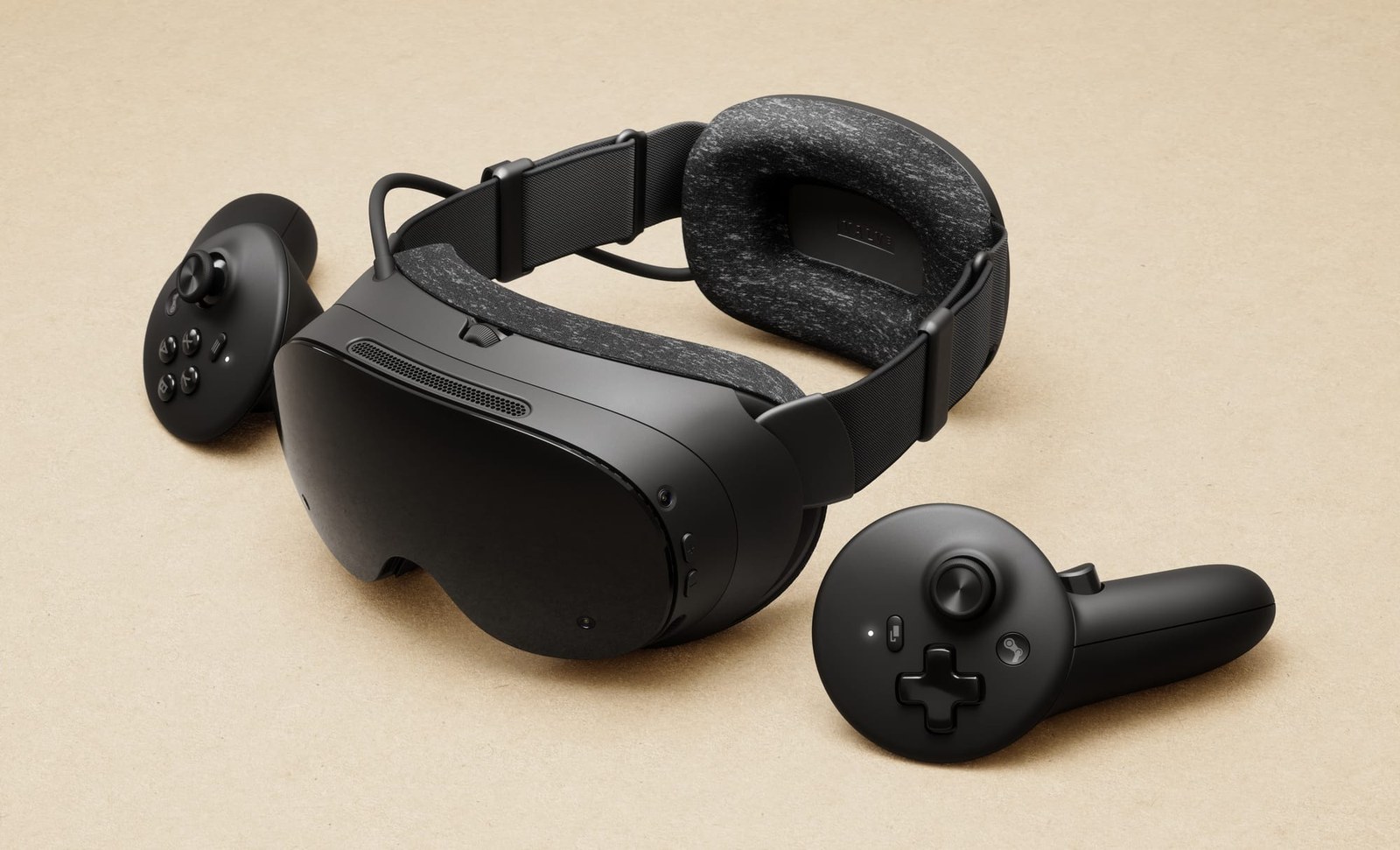
Griffais and Hudman told Digital Foundry the shipping configuration is essentially unchanged from what reviewers saw at Valve a year ago — “no changes in terms of the configuration” even as RAM and storage costs climbed. Earlier development did raise storage and memory so the headset could run the content Valve wanted; once that floor was set, the company did not cut the bill of materials to chase a lower sticker.
Price follows parts, platform follows Steam
Frame’s four-figure U.S. price, Digital Foundry reports, tracks “the price of the underlying parts” — the same AI-era component pressure Valve already accepted on Steam Machine. Griffais and Hudman refused to reframe the headset as either a mass-market VR gateway or a pure enthusiast toy. What Valve says it can control is “the experience and the kind of content that’s available,” with hardware in service of Steam as a platform first.
Reservations remain open on the Steam Frame store page after the September 14 launch window, with the 256GB SKU previously reported at $1,059 and the 1TB SKU at $1,299, Alyx included.
Alyx as the stress test: native Vulkan, no asset rebuild
Internally, Half-Life: Alyx was both halo title and driver torture test. Hudman said the project was justified even if a fully local build had never shipped, because it forced Valve to learn how the new driver behaved under a high-end VR workload. Early on, the team “didn’t know one way or the other” whether standalone Alyx was possible; foveated rendering and system tuning eventually made a native app viable.
The Frame build is ARM-native on the CPU with “no translation layer on the graphics side either… the build is using native Vulkan.” Griffais described fully embracing a tile-based, retained-mode GPU: “You’re trying to never break render passes in a way that the GPU can tile optimally.” That work let Valve pick from existing PC settings and render at lower resolution — without rebuilding levels, crunching textures, or breaking Steam Workshop compatibility.
Foveation for everyone: Unity, Unreal, and a render-pass optimiser
For first-party titles like Alyx, gaze-tracked foveation still means engine work. For the wider catalog, Valve told Digital Foundry it invested “a ton” with Unity and Unreal so foveation works out of the box. Beyond that, a “render pass optimiser” layer can be injected into some pre-existing games, reshaping rendering for Frame’s foveated and tile-friendly path and exposing extra performance options in VR settings menus.
Users can still stream from a desktop, Steam Machine, or Deck when they want higher fidelity. Digital Foundry relays Valve’s battery split: streaming can reach around two hours on the standard pack, while the most demanding standalone titles manage roughly half that; lighter local games climb back toward the two-hour mark.
144 Hz is about the world, not every game hitting 144 fps
Steam Frame’s experimental 144 Hz mode is not pitched as a native-framerate chase. Griffais said keeping “the world that you’re tracking around” updating at that rate can “improve the experience for some people” even when the game itself runs at 60 fps or lower. Hudman noted PC sims that never approach native refresh; running the display at an integer multiple and leaning on reprojection can still “feel like a better experience.” The UI exposes combinations such as 90 Hz with 30 fps or 45 fps content. Higher modes sit on the “nice to explore later” list, not the launch checklist.
Monochrome cameras for tracking; color is accessory territory
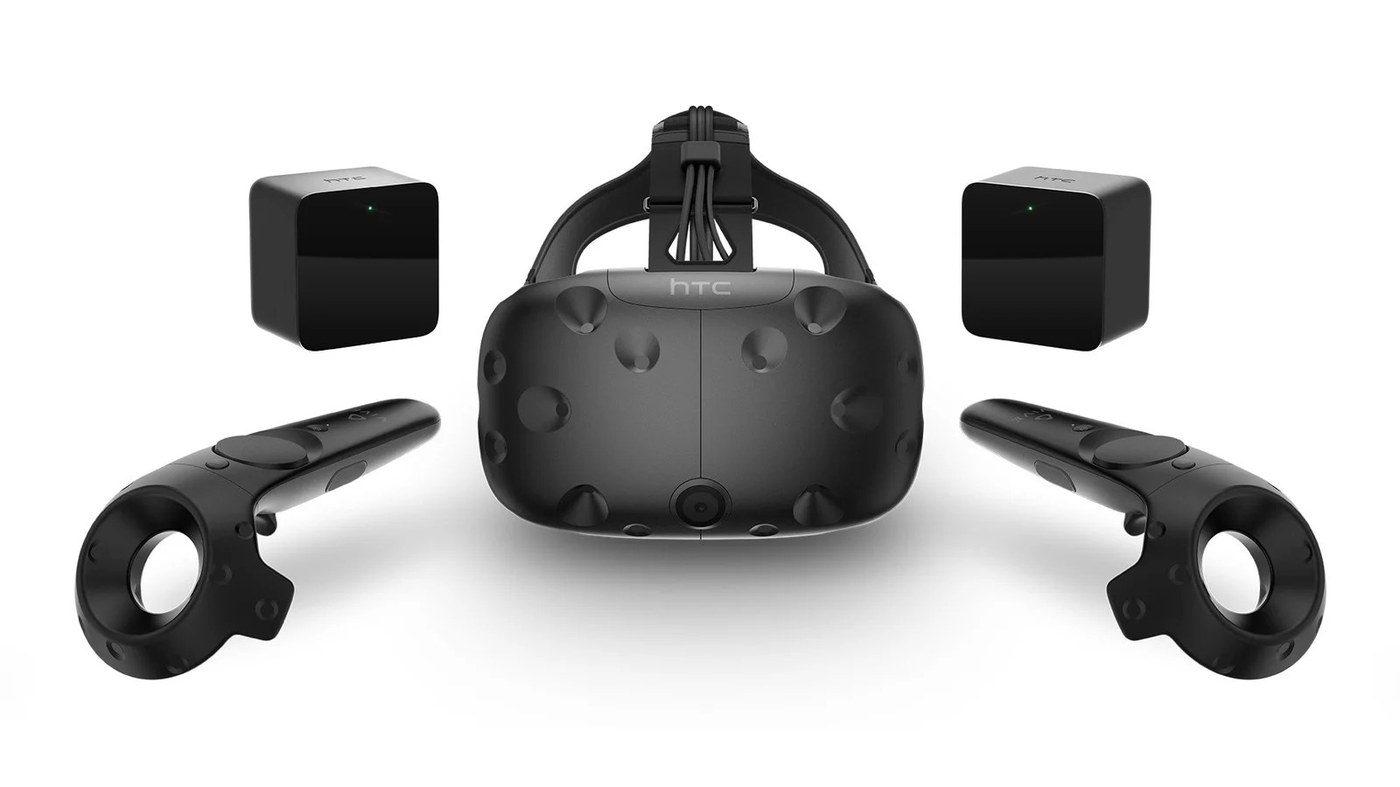
Valve remains proud of Lighthouse for labs and metrology, but consumer Frame is inside-out. Hudman tied monochrome outward cameras to lighting reliability: RGB sensors’ color filter arrays throw away light and narrow usable conditions. Monochrome sensors keep controller and headset tracking dependable across home lighting. Full-color passthrough remains possible through RGB accessories — including the third-party color camera path already shipping for Frame — while the base system stays tuned for gaming first.
Not “just a headset”: SteamOS PC on your face
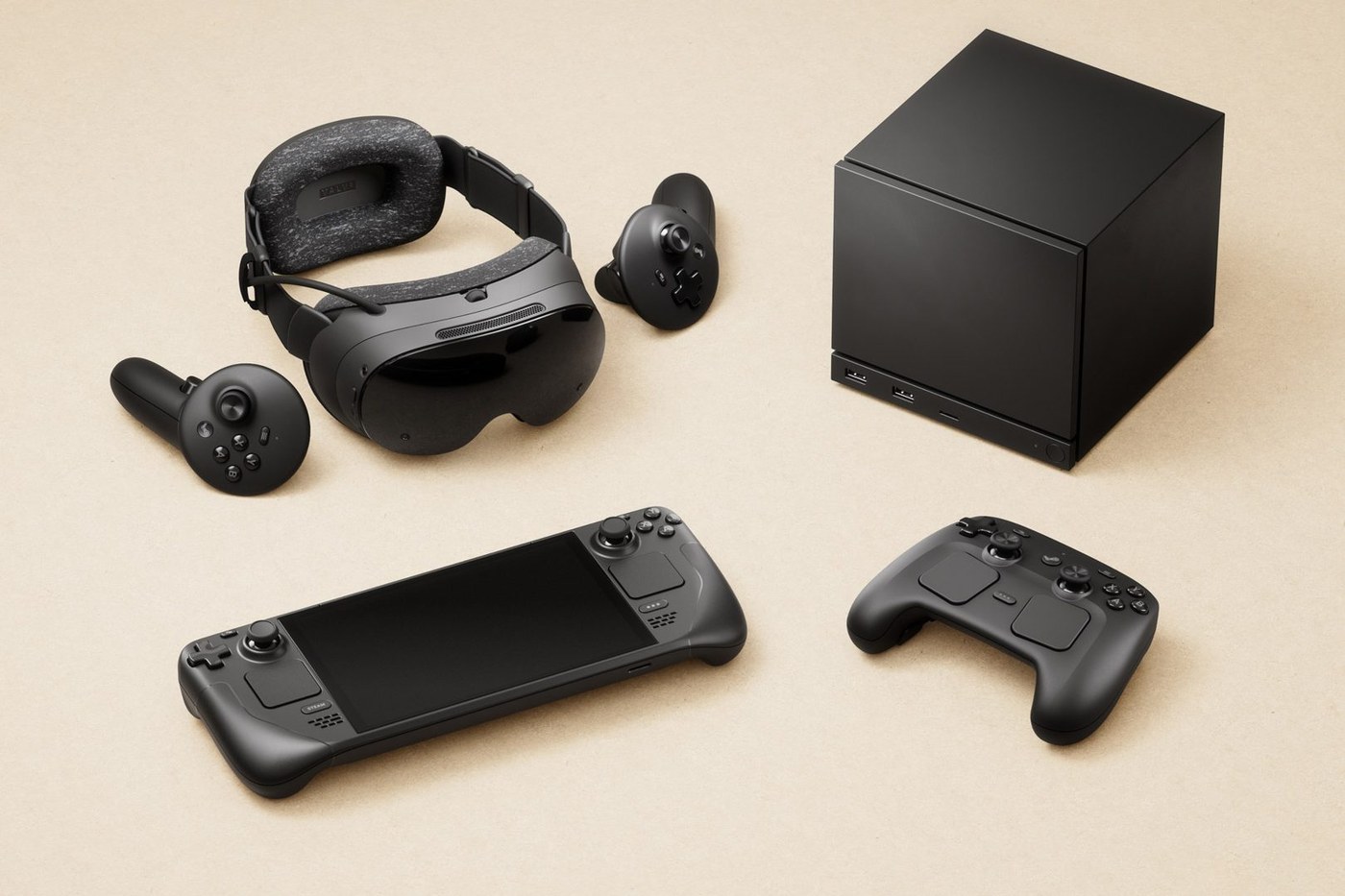
Under SteamOS, Frame behaves like a small PC. Plugging into a hub turns it into a quasi-desktop environment with Deck-class performance. Griffais described installing third-party apps, adding them to a launcher, and running them “in space around you” so play, work, and chat can coexist. Remote shell access and system customization remain part of the open SteamOS pitch. On hardware, latch-based straps and expansion points invite DIY and third-party kits; Hudman said Valve is “actively working on a first-party headstrap kind of experience with Index-like audio and swappable batteries.”
Digital Foundry’s close reads the same way Valve has sold Deck and Steam Machine: a fixed-spec, modular platform meant to grow after day one — ARM-native, Vulkan-first, foveation-aware — even if a mainstream VR breakout still looks distant at this price.
Sources: Digital Foundry — Inside Steam Frame (Griffais & Hudman) (William Judd, Sep 15, 2026), AUTOMATON WEST — Steam Frame developer interview, Steam Frame store, Metaverse Watcher — Automaton Frame interview.