France just moved SMART GLASSES misuse from a privacy briefing into a CRIMINAL docket.
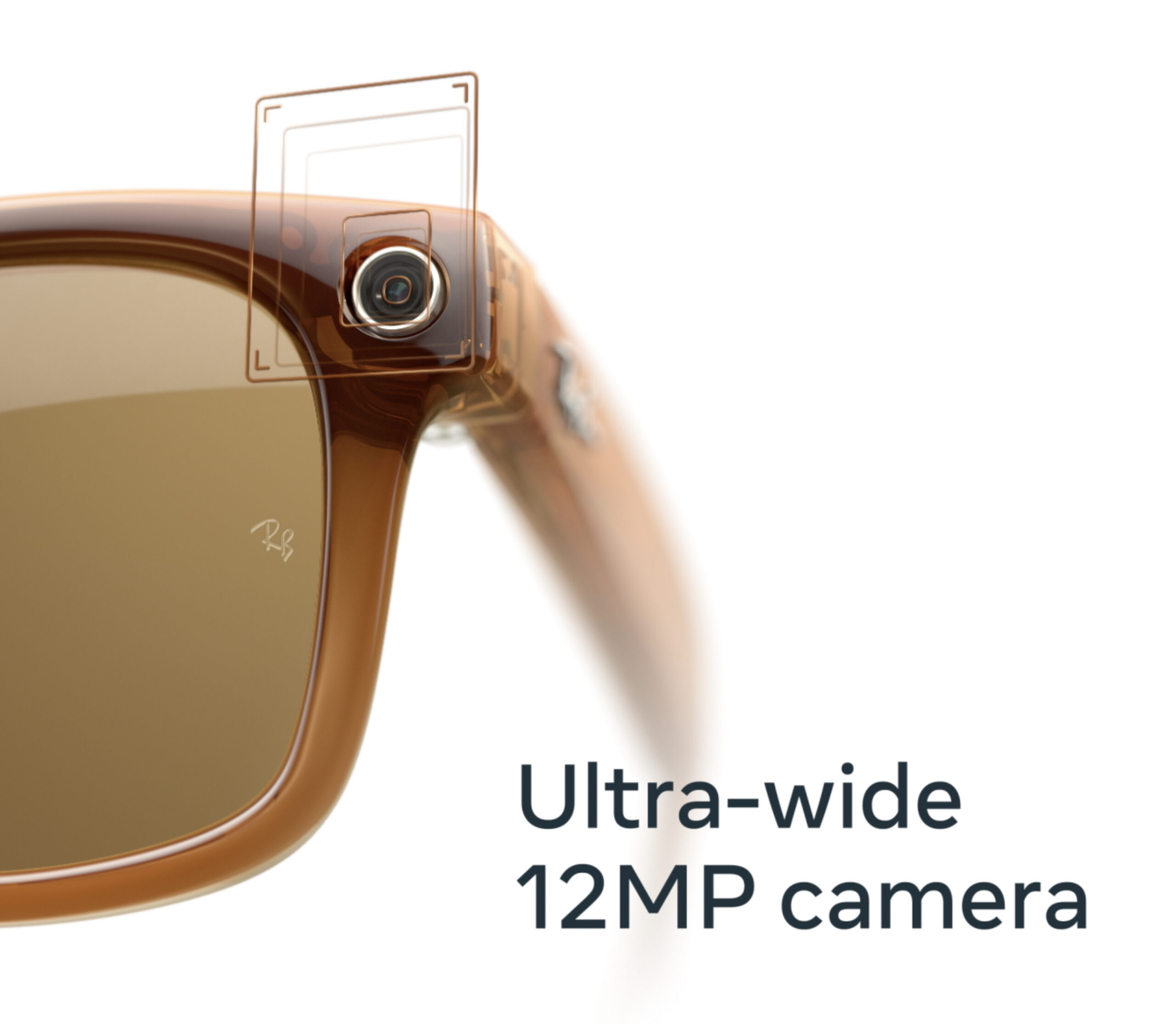
According to Reuters on September 18, the Paris prosecutor’s office has OPENED at least one criminal PROBE following sexual harassment complaints linked to a social media TREND: wearers filming women on the street without consent, then posting the clips online. Prosecutors did not name a brand. RFI and The Next Web corroborate the same timeline.

What Prosecutors and CNIL Said
The cybercrime unit tested SMART GLASSES about two weeks ago to map which offenses the hardware can ENABLE. Reuters says the office declined further detail on case counts or suspects.
France’s data protector, CNIL, told Reuters it has received fewer than 10 COMPLAINTS about workplace use — and that employers are increasingly asking whether they can BAN the devices on site. CNIL’s Nacera Bekhat called informing bystanders and securing CONSENT “real challenges.”
Market Context — Without Naming Defendants
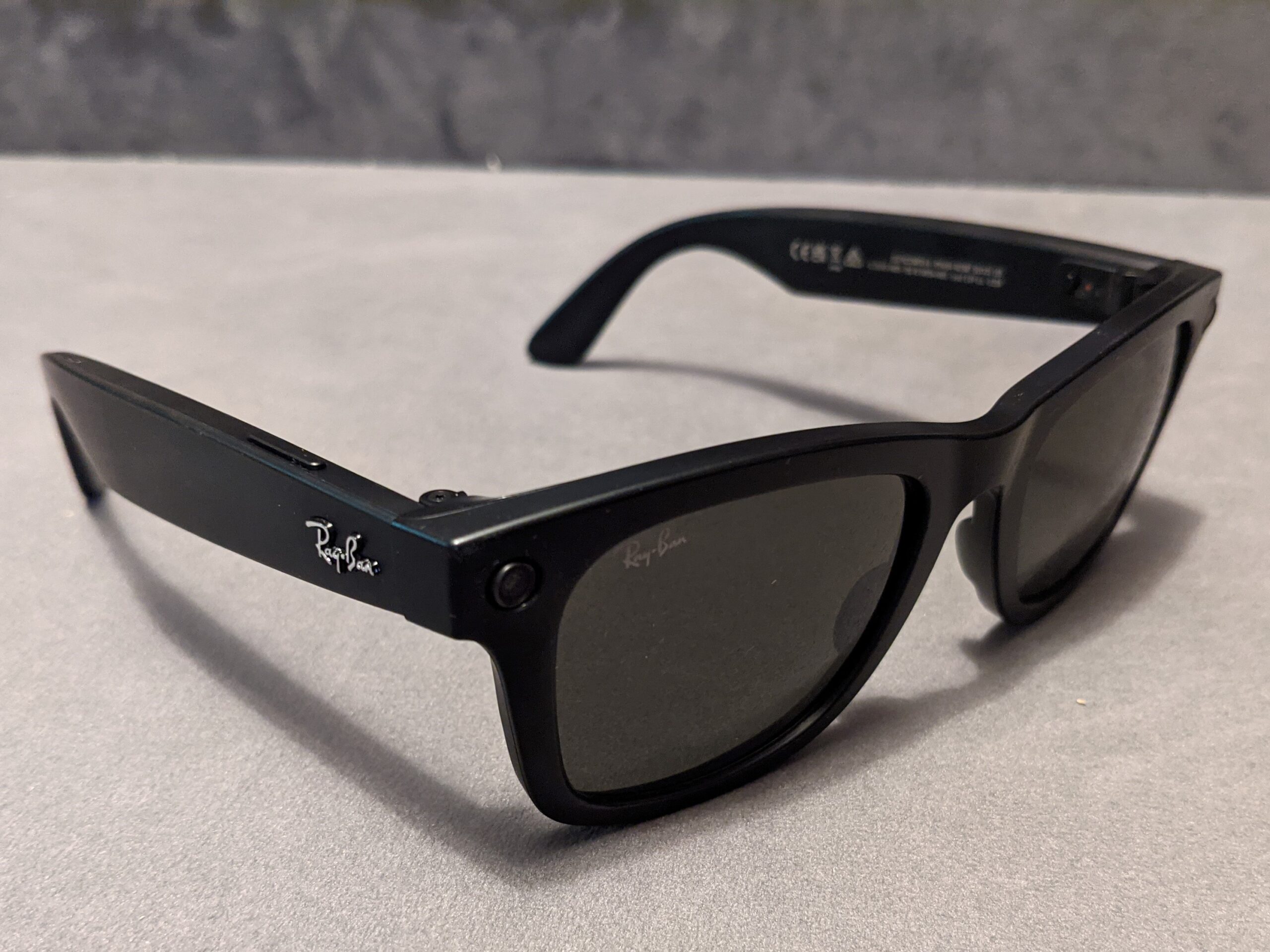
Reuters notes Meta’s glasses made with EssilorLuxottica lead the category at roughly 76% GLOBAL SHARE, with about 7 million units sold last year and Essilor citing “exponential growth” in 2026. That is MARKET context. Prosecutors did not identify which devices appear in the complaints.
A Meta spokesperson said the company “built PRIVACY into our AI glasses from the ground up” and will keep strengthening protections. EssilorLuxottica declined comment.
Consent Lights, Public Streets, Hard Enforcement
Most camera glasses flash a CAPTURE LED when recording. Rights groups say a light is NOT consent. e-Enfance’s Ines Legendre told Reuters that seeing a light does not mean you agree to be filmed — or to have your IMAGE pushed to thousands of viewers. Hubertine Auclert’s Ines Girard argued the industry should not shift the BURDEN onto people already exposed to public harassment.
French penal rules can mean up to one YEAR in prison or a €45,000 fine for recording someone in a PRIVATE place without consent. Enforcement gets HARDER on public sidewalks and once clips go viral. Wearables also sit under the EU’s AI Act and GDPR.
Beyond Paris — Australia, Germany, UK Venues
Australia said Thursday it is considering barring camera-equipped SMART GLASSES in government workplaces over PRIVACY and security concerns — potentially a first of its kind, per Reuters. A German consumer advocacy group has filed a CRIMINAL complaint against Meta and other sellers. Some UK cinemas have banned the devices, Reuters adds, as venues and regulators tighten rules ahead of Meta Connect on September 23–24.
Bottom line for Metaverse Watcher readers: September 18 is not another product DEMO cycle. It is a JURISDICTIONAL stress test for CAMERA glasses — criminal PROCESS in Paris, workplace guidance at CNIL, and parallel moves abroad — just days before Meta’s CONNECT keynote.
Sources: Reuters, RFI, The Next Web.