Meloscene founder Chad Gerber tells UC Today that Meta’s Project PHOENIX pitch is WEIGHT first — and a pocket COMPUTE puck is an acceptable tradeoff for studio sessions.
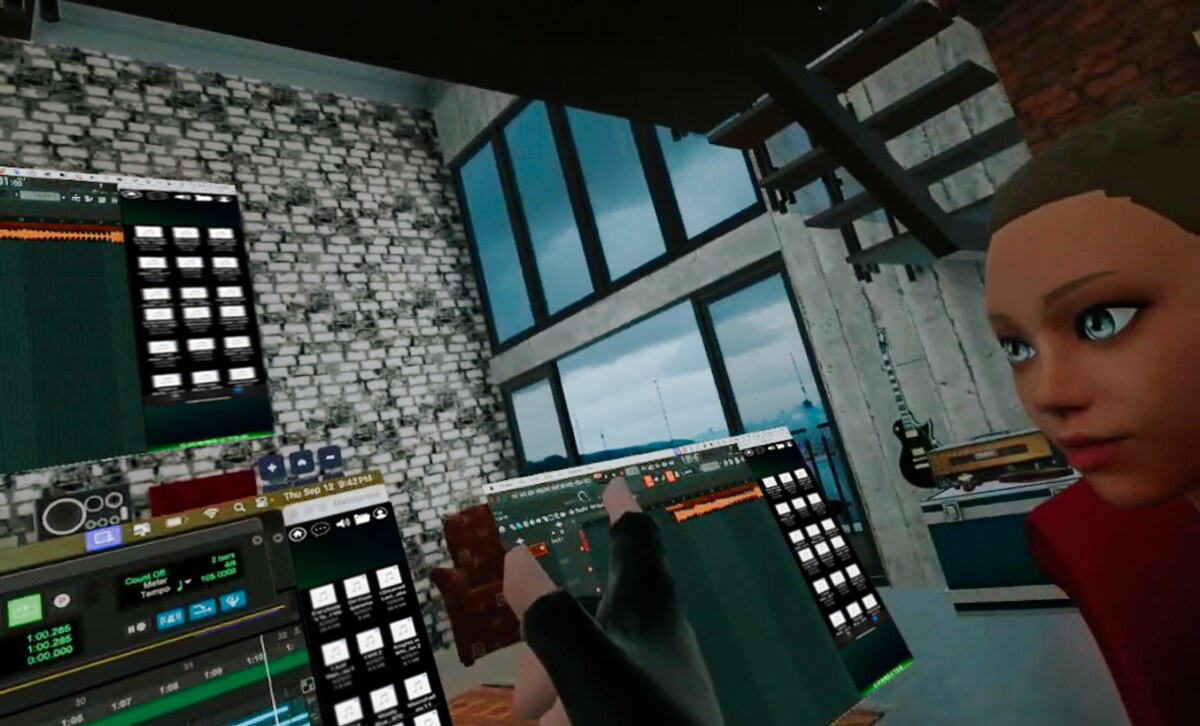
UC Today (Christopher Carey, September 21) interviewed Gerber ahead of Meta Connect (September 23–24). Gerber builds Meloscene, a Quest-class creative studio where musicians SYNC DAWs and play REAL instruments inside SHARED XR rooms. His sessions run roughly TWENTY minutes to an HOUR — long enough for headset MASS to become an OPERATIONAL problem, not a footnote.

Weight Over Processing
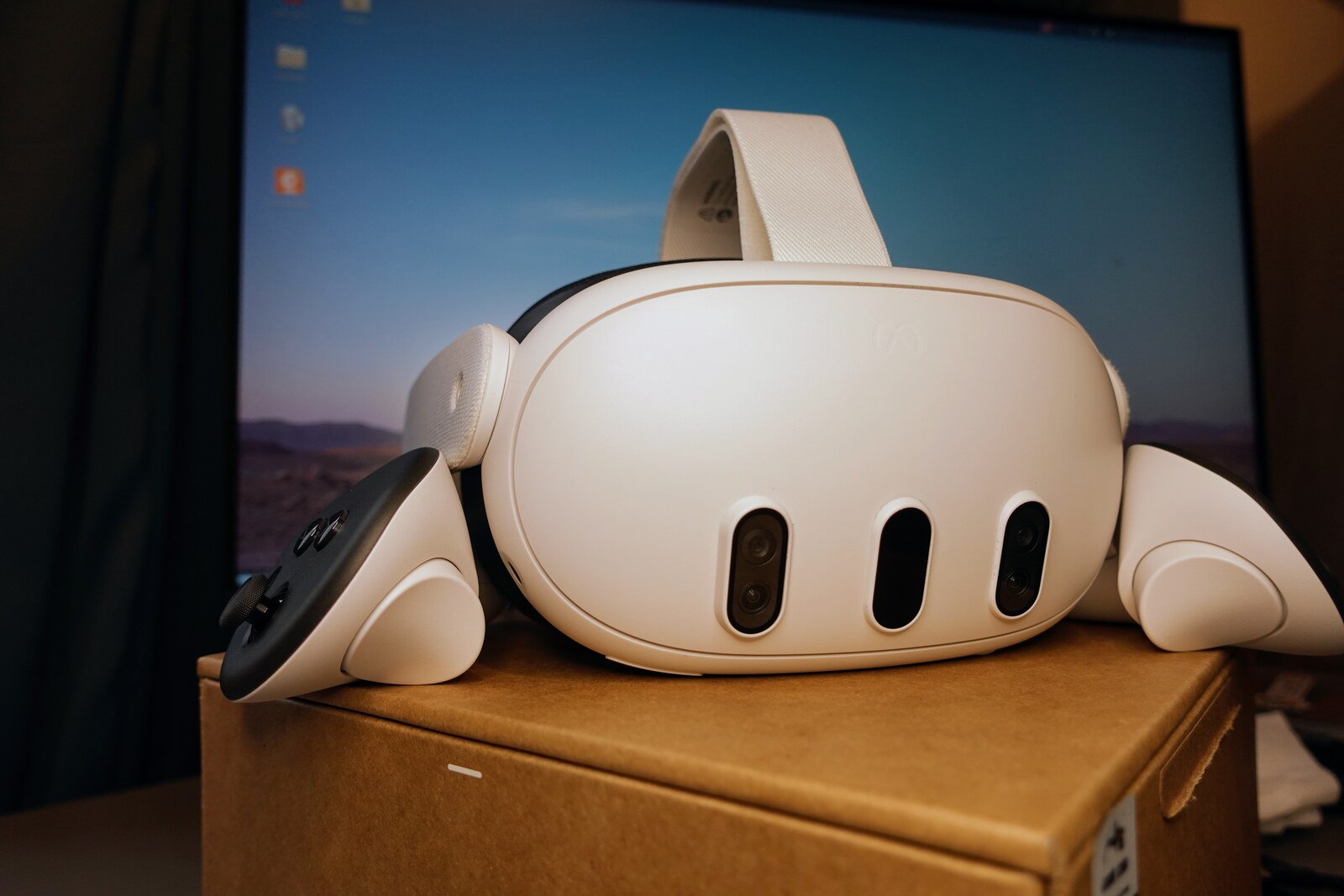
“Honestly, the BIGGEST difference, more so than PROCESSING and everything else, is the WEIGHT,” Gerber told UC Today. “The current headsets give HEADACHES. People endure and TOLERATE it just for the sake of being able to be together and COLLABORATE.” That line tracks with months of reporting that Phoenix is meant to sit LIGHTER on the face by moving battery and COMPUTE into a SEPARATE unit — a puck or pocket box — rather than another thick all-in-one Quest slab.
UploadVR (Luna, September 18), citing The Information, describes Phoenix as a productivity and entertainment tool: glasses-like PASSTHROUGH mixed-reality hardware with a tethered COMPUTE puck, aimed at virtual screens and media, with a possible KEYNOTE hologram-call demo. Official Phoenix visuals are still limited to leaks and firmware strings; today’s story is the WORKFLOW argument, not a new hardware dump.
Pocket Puck Trade-Off
Shifting MASS off the head can mean a CABLE and another device to charge. Gerber says studio users will take that BARGAIN. “If it has to go in your POCKET and you have some arrangement of CORDS, we’re more than okay with it if it means we don’t have a TOASTER on our head anymore,” he said. In a music room already full of interfaces and instrument leads, routing a TETHER down a shirt is familiar FRICTION — not a dealbreaker.
Casual living-room buyers may feel differently. A SEPARATE compute unit makes Phoenix less seamless than a standalone Quest 3. Gerber frames the puck as a TRANSITIONAL step toward lighter glasses that eventually talk to remote processing without a physical tether.
Hands Free Because Controllers Break the Gig
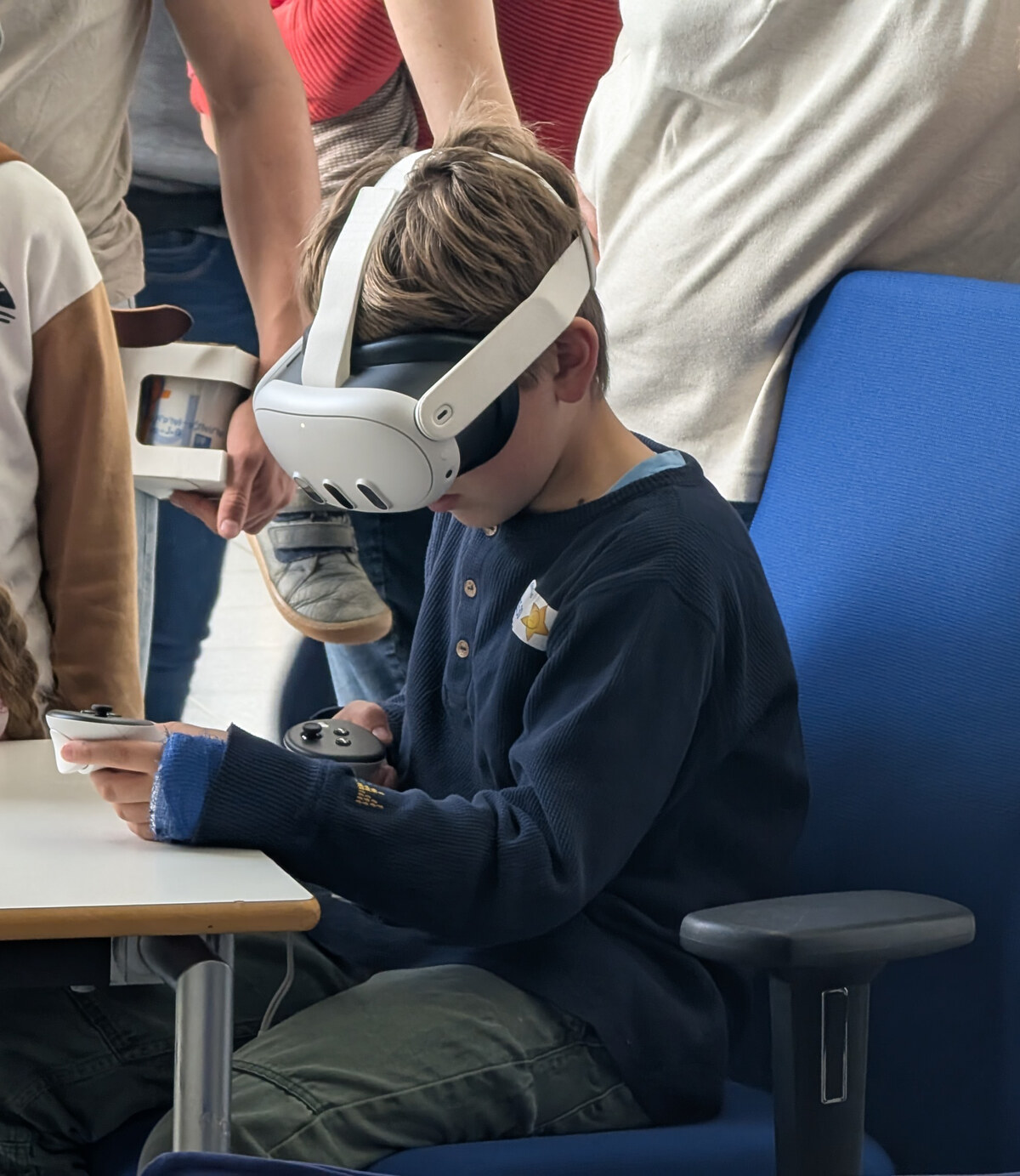
Phoenix is also expected to lean on CONTROLLER-FREE hand tracking. Meloscene went controllerless years ago out of NECESSITY: pianists and drummers cannot hold Touch controllers and play. “We’ve been CONTROLLERLESS for a couple of years,” Gerber said. “In the studio, we can’t hold the CONTROLLERS and play the piano and the drums.” He wants GESTURES that feel ORDINARY — “We didn’t want to come up with weird gang signs” — rather than a new choreography tax.
What Still Has to Ship
Gerber’s own future bet is category collapse: “I think there’s going to be a day where people are going to look at this video and laugh that we had a DISTINCTION between AR, XR, VR. It’s just going to be SPATIAL.” Hardware alone will not decide that. PRICE and an ecosystem of USEFUL apps still have to land. “It’s going to be how much it’s going to COST, and then if they continue to NURTURE the ecosystem for proper use cases,” he told UC Today.
Connect opens Wednesday. Watch for whether Meta names WEIGHT numbers, PUCK logistics, hand-tracking defaults, and any third-party surface for holographic calling — not just another Codec Avatars reel. Meloscene’s interview is a STUDIO user’s SCORECARD for those reveals.
Sources: UC Today; UploadVR; Meloscene; Meta Connect.