Road to VR (Scott Hayden, September 21) prices three virtual-reality desktop tiers for 2026 — and puts Steam Frame in the same bucket as Quest 3 for streamed PC titles.
The headline is not a new chip. It is a MARKET map. After the so-called RAMpocalypse, inflation, and a year of AI-driven memory demand, Hayden asks a blunt question: how much does a ready gaming desktop actually COST in 2026? The answer splits by headset class, not by brand loyalty.
Three Tiers, Three Price Floors
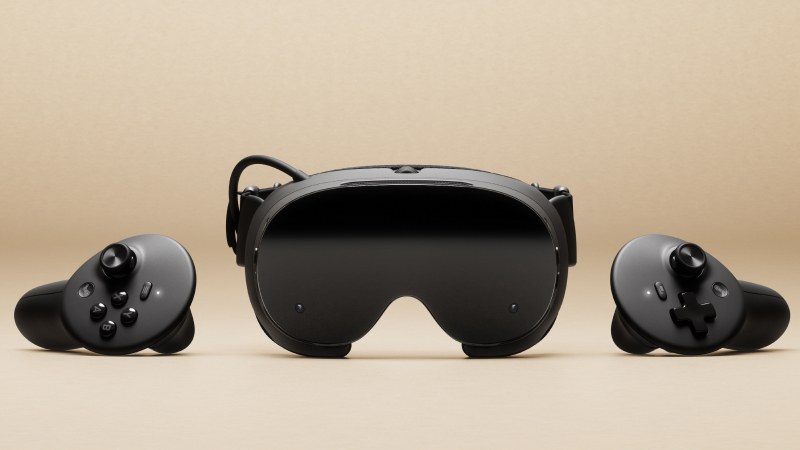
Hayden’s guide treats “VR ready” as FRAGMENTED. A last-gen DisplayPort cable and a compressed wireless stream are not the same workload. That is why Steam Frame sits with Quest 3, Quest 3S, PlayStation VR2, and Pico 4 in the MIDDLE tier — not with Index-class DisplayPort boxes, and not with micro-OLED beasts.
- Entry — $1,100 prebuilt (Zotac Mek): Ryzen 5 5500, GeForce RTX 5060 (8 GB), 16 GB DDR4, 1 TB NVMe. Aimed at Valve Index, Rift S, HTC Vive / Vive Pro, and Windows Mixed Reality under roughly five megapixels per eye.
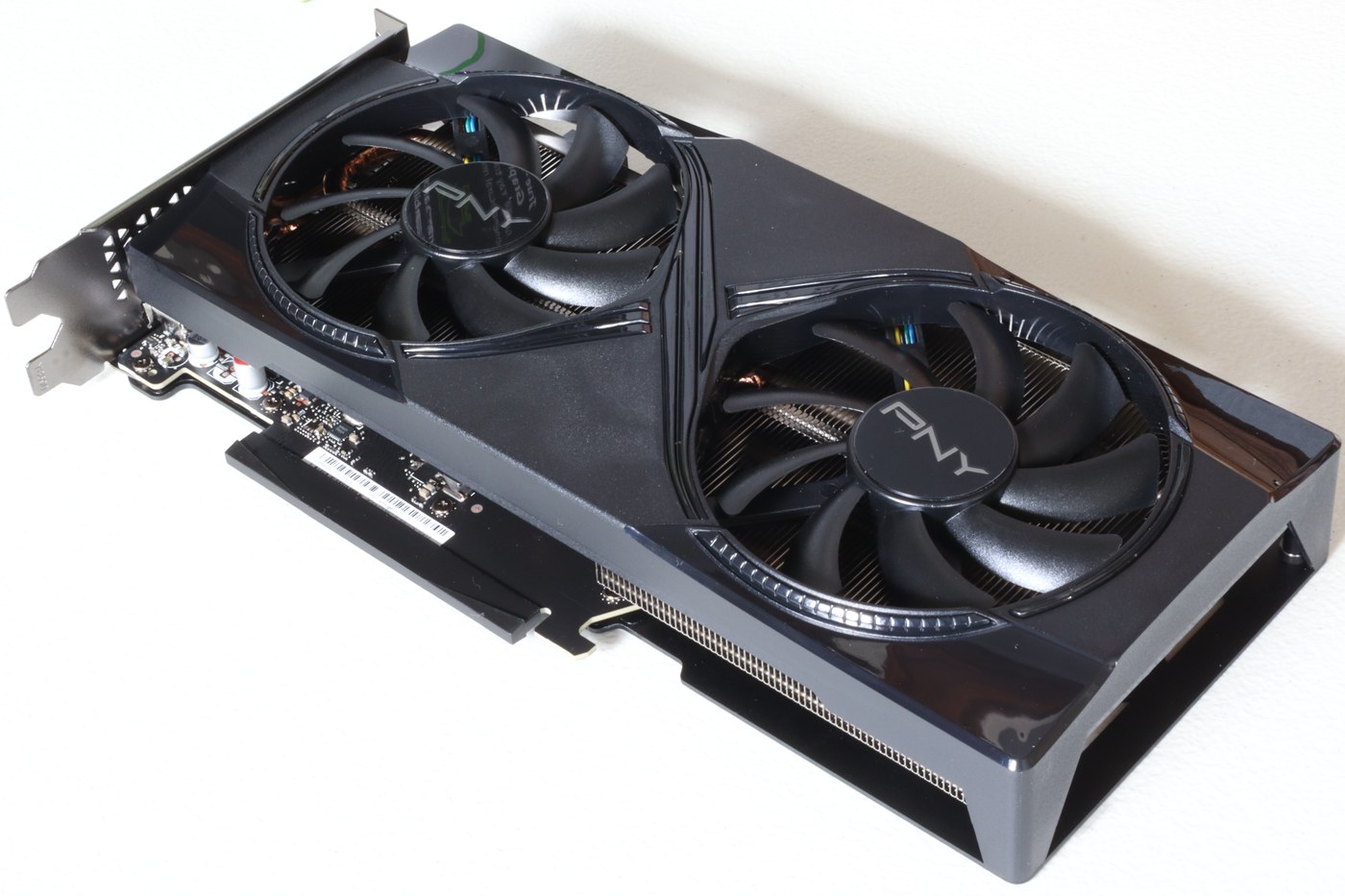
- Enthusiast — $1,700 prebuilt (Skytech): Core i7-14700F, GeForce RTX 5070 (12 GB), 16 GB DDR4, 1 TB NVMe. Built for Quest 3 / 3S, PlayStation VR2, Pico 4, and Steam Frame — the headsets that stream COMPRESSED video over Wi‑Fi or USB.
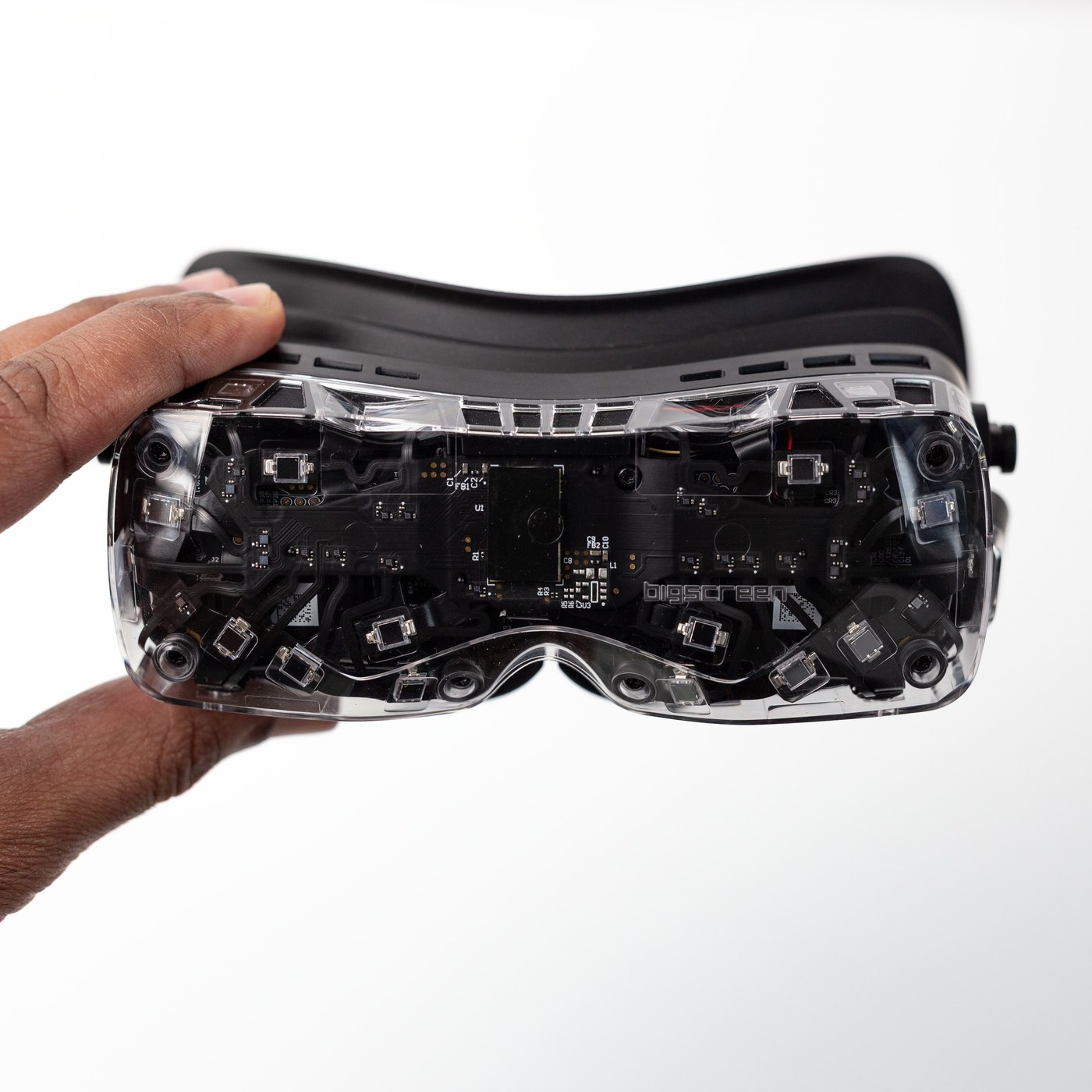
- High-end — $3,000 prebuilt (HP Omen 45L): Core Ultra 7 265K, GeForce RTX 5080 (16 GB), 32 GB DDR5, 2 TB NVMe. For Bigscreen Beyond 1/2, Pimax Crystal Super / Dream Air, Shiftall MeganeX 8K, Apple Vision Pro, and Samsung Galaxy XR — plus heavy sim workloads.

Why Steam Frame Is Not “Entry”
Standalone buyers may treat Steam Frame as a self-contained Arm box. Road to VR’s desktop guide cares about the other HALF of the product: high-resolution PC streaming. Hayden notes that wireless and USB streaming add processor and graphics OVERHEAD versus a native tethered pipe. That is the explicit reason the enthusiast sku jumps from an RTX 5060 to an RTX 5070 and from a Ryzen 5 5500 to an i7-14700F.
Put another way: a $1,059 headset does not buy you a $1,100 desktop BUDGET if you expect SMOOTH PC titles at current-gen resolution. The Frame’s openness and SteamOS story still matter — they just do not erase the streaming TAX.
Diy Still Costs More Than Prebuilts
The second punchline is market math. Building used to be the cheap path. Hayden says the opposite is true “at the time of writing”: matching DIY lists run about $1,181 (entry), $2,382 (enthusiast), and $3,205 (high-end) — ABOVE the named prebuilts in every tier.
That gap is memory pressure made concrete. Valve has already told reporters that memory pricing helped push Steam Frame ABOVE its original sub-$999 target. Road to VR’s desktop sheet shows the same squeeze on the tower side: 16 GB of DDR4 still anchors the first two tiers, while the high-end jumps to 32 GB of DDR5 at 5,600 MHz.
What the High-End Tier Is Buying
Hayden reserves the $3,000 Omen configuration for headsets that push RESOLUTION, refresh rate, and field of view hard enough that midrange video memory becomes the LIMITER — especially for flight and racing sims. Beyond, Pimax, MeganeX, Vision Pro, and Galaxy XR are named explicitly. That list mixes DisplayPort PC kits and high-end spatial headsets, but the shared demand is RENDER headroom, not a single I/O standard.
For studio and enterprise buyers already shopping Phoenix-class WEIGHT stories ahead of Meta Connect, the takeaway is adjacent: lightweight headsets do not automatically SHRINK the desktop bill if the content still expects desktop-class FRAMES.
Bottom Line
Road to VR’s September 21 sheet is a COST map, not a review. Entry at $1,100 covers last-gen DisplayPort. Enthusiast at $1,700 is the current-gen streaming FLOOR — including Steam Frame. High-end at $3,000 is the micro-OLED and sim TAX. And for now, the prebuilt is CHEAPER than the parts list. That is the 2026 ready-desktop story in FOUR numbers.