Mixed-News reports that Valve staff told PC Gamer, the BBC, and Tom’s Hardware around the September 14 launch that rising COMPONENT COSTS pushed STEAM FRAME above the company’s intended PRICE. Hardware engineer Joy Lyons and software engineers Jeremy Selan and Pierre-Loup Griffais all pointed to the global RAM CRISIS—and related bill-of-materials pressure—as the reason the headset did not land where Valve had hoped.

US sticker prices are firm on paper: the 256GB model lists at $1,059 and the 1TB model at $1,299. In Europe the same configs are €1,049 and €1,279; in the UK they are £889 and £1,089, including VAT where applicable. Both SKUs ship with 16GB of LPDDR5X. What Valve will not say is the original TARGET dollar figure—none of the interviews discloses it.
Valve aimed lower, then the MEMORY MARKET moved
Lyons told PC Gamer that Valve “set out to design this hardware with one particular PRICE in mind,” and that “that price target shifted due to the ongoing RAM CRISIS around the world.” Selan was more direct to the same outlet: “I wish we could have shipped it at the PRICE that we were at last year.”
Speaking to the BBC, Selan repeated the theme. “We set out to come out with a device that would have been much more AFFORDABLE,” he said, “but the global Ram market has IMPACTED us the same way it’s impacted everybody.” The BBC also quotes him saying Valve “fought hard to get it even to this PRICE.” PC Gamer notes only that the company aimed LOWER; Lyons declined to forecast what comes next: “We don’t know what pricing is in the future.”

RAM is not the only COST spike
Griffais told Tom’s Hardware that MEMORY is only part of the bill. Motherboards, copper, and worldwide SHIPPING are all “way more EXPENSIVE than it was last year and two years ago,” he said, so “every part of the sticker PRICE is affected.” On memory specifically, he added that Valve is “really in it like everyone else,” and that the fact the Frame price was affected versus what the team hoped for “is definitely true.”
Mixed-News ties the DRAM pressure to a February TrendForce outlook: LPDDR5X CONTRACT PRICES were forecast to jump about 90% quarter on quarter in Q1 2026—described as the steepest increases in their HISTORY. That is the same mobile memory type listed on Valve’s Steam Frame SPEC sheet.
Cutting RAM was considered and rejected. Asked by PC Gamer about shipping less memory, Selan said Valve wanted access to a “huge fraction of the same CATALOG” as Steam Deck, and that a lower SPEC would “slice a major COMPONENT off it” and leave titles that would never run.
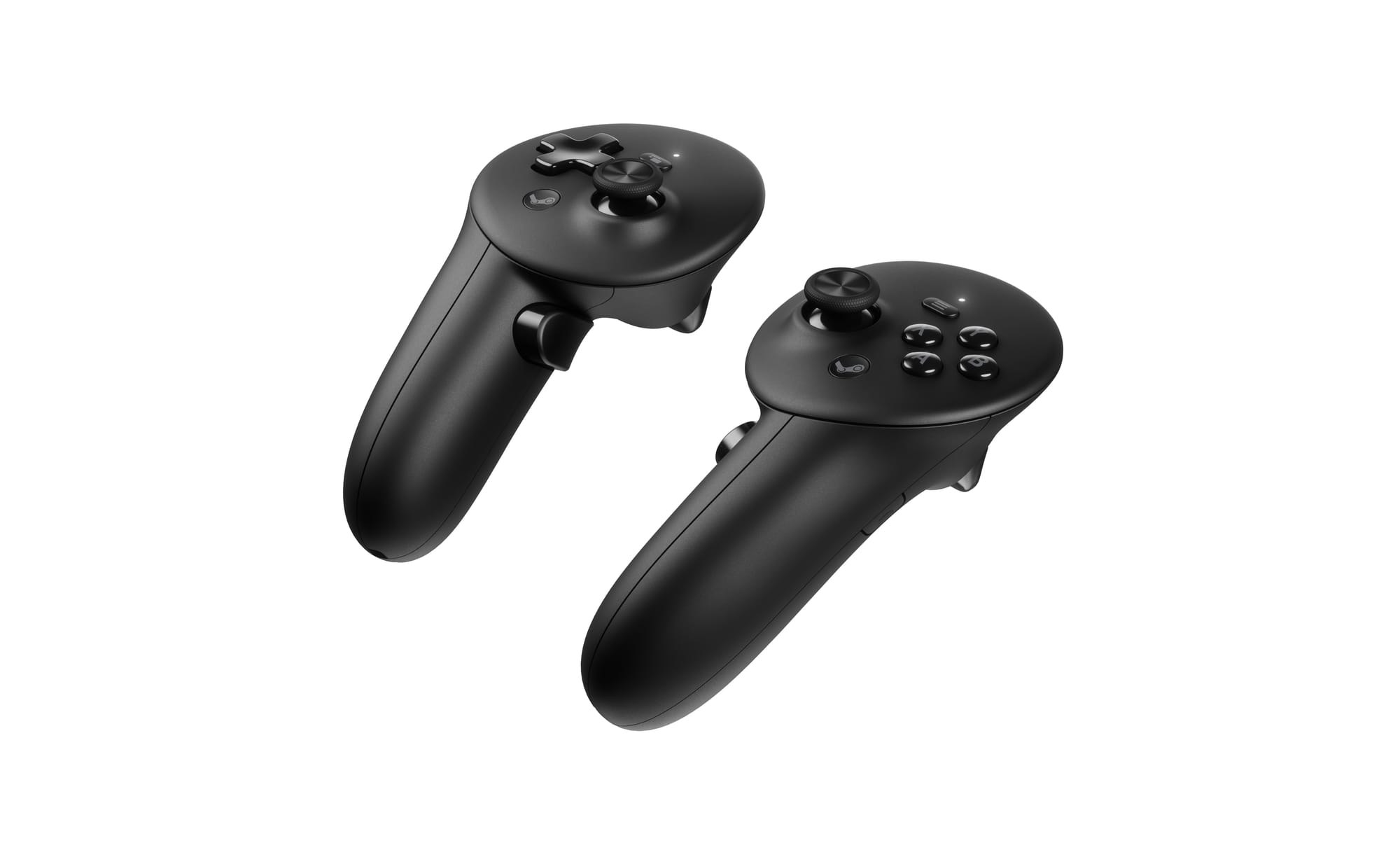
Index, Quest 3, and a PRICE that can still move
For long-time PC VR owners, the Index remains the cleanest Valve comparison. The full Valve Index kit launched at $999 in 2019—headset, controllers, and two base stations—so the cheapest STEAM FRAME is $60 more before accessories. Against Meta hardware, the gap is wider: QUEST 3 sits near $600 even after Meta’s own COST-driven adjustment. Valve’s Steam Machine at $1,049 is also described as hit by the MEMORY CRISIS.
Launch pricing is also not locked forever. Valve’s Limited Drop Program terms—governing the purchase emails that begin September 18 with a 72-hour PAY window—state that “Prices are subject to CHANGE.” Valve has not signaled which direction that change would go.
The through-line from Mixed-News’ roundup of the PC Gamer, BBC, and Tom’s Hardware interviews is straightforward: STEAM FRAME was designed toward a LOWER TARGET, the RAM CRISIS and adjacent COMPONENT inflation forced the sticker UP, and Valve still will not name the number it missed.