Buy Meta VR Glasses next spring without CONTROLLERS, and the Meta Horizon Store will sort itself DIFFERENTLY for YOU. HAND-TRACKED apps go FIRST. Meta put that rule in writing on September 24 in its Connect developer recap — a STORE ranking change, not another prize-pool headline.
“Customers who own controllers get recommendations from the full catalog. Customers who only use their HANDS see HAND-TRACKED titles first, including titles that support both controllers and hands,” Meta told developers. Then five words worth taping above a monitor: “Hands support affects your REACH.”
VR.org (Nina Castillo, Sep 24) unpacks the same Store behavior and the v207 SDK details that make it actionable TODAY. Nothing is BLOCKED. A controller-only game still SHIPS, and Touch Plus owners still see it. Meta even concedes that “virtual locomotion or gun-based gameplay is often a better fit” for controllers. Everyone else just meets that title LATER in the list.
Why Hands-Only Is the Default Buyer
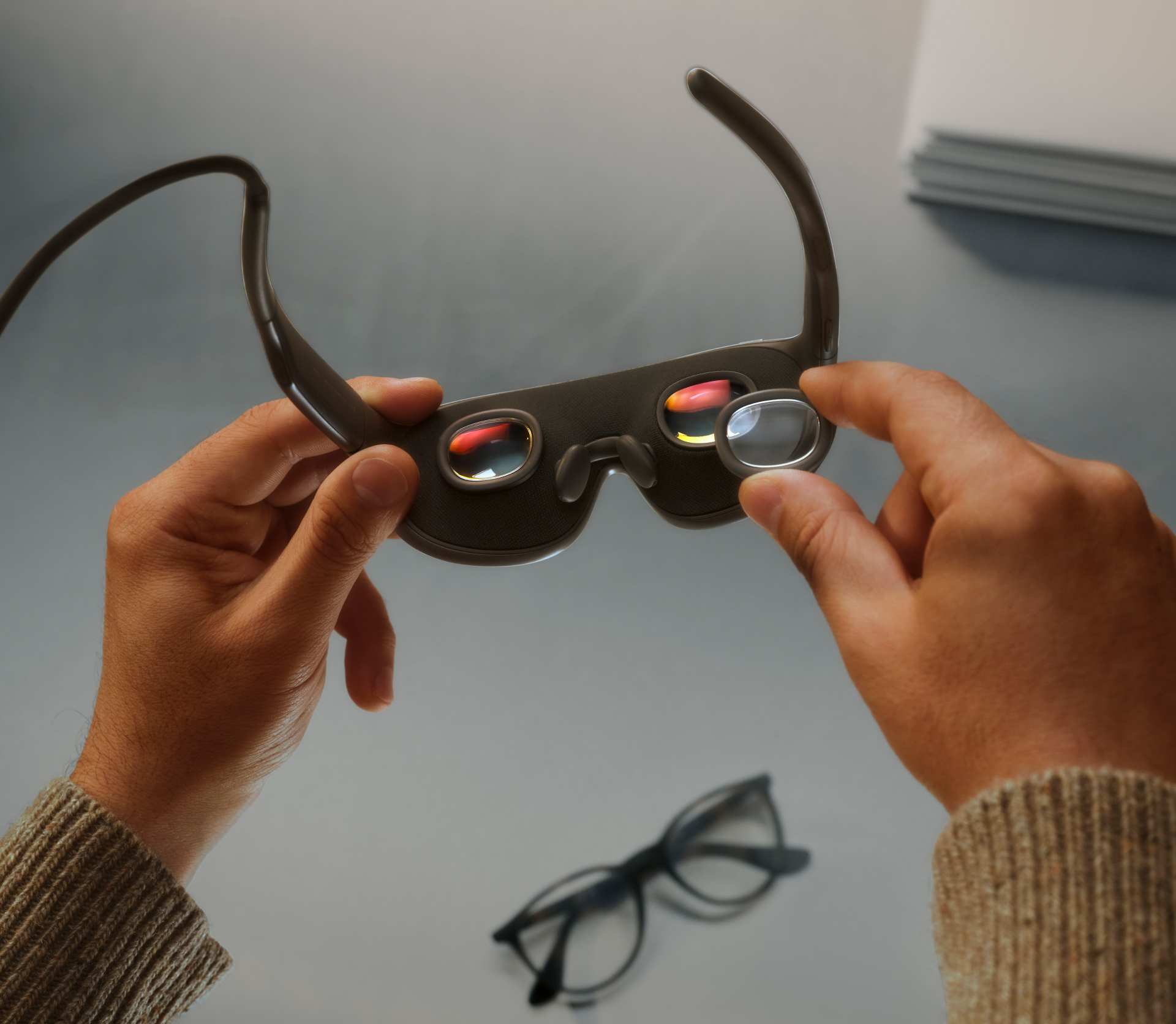
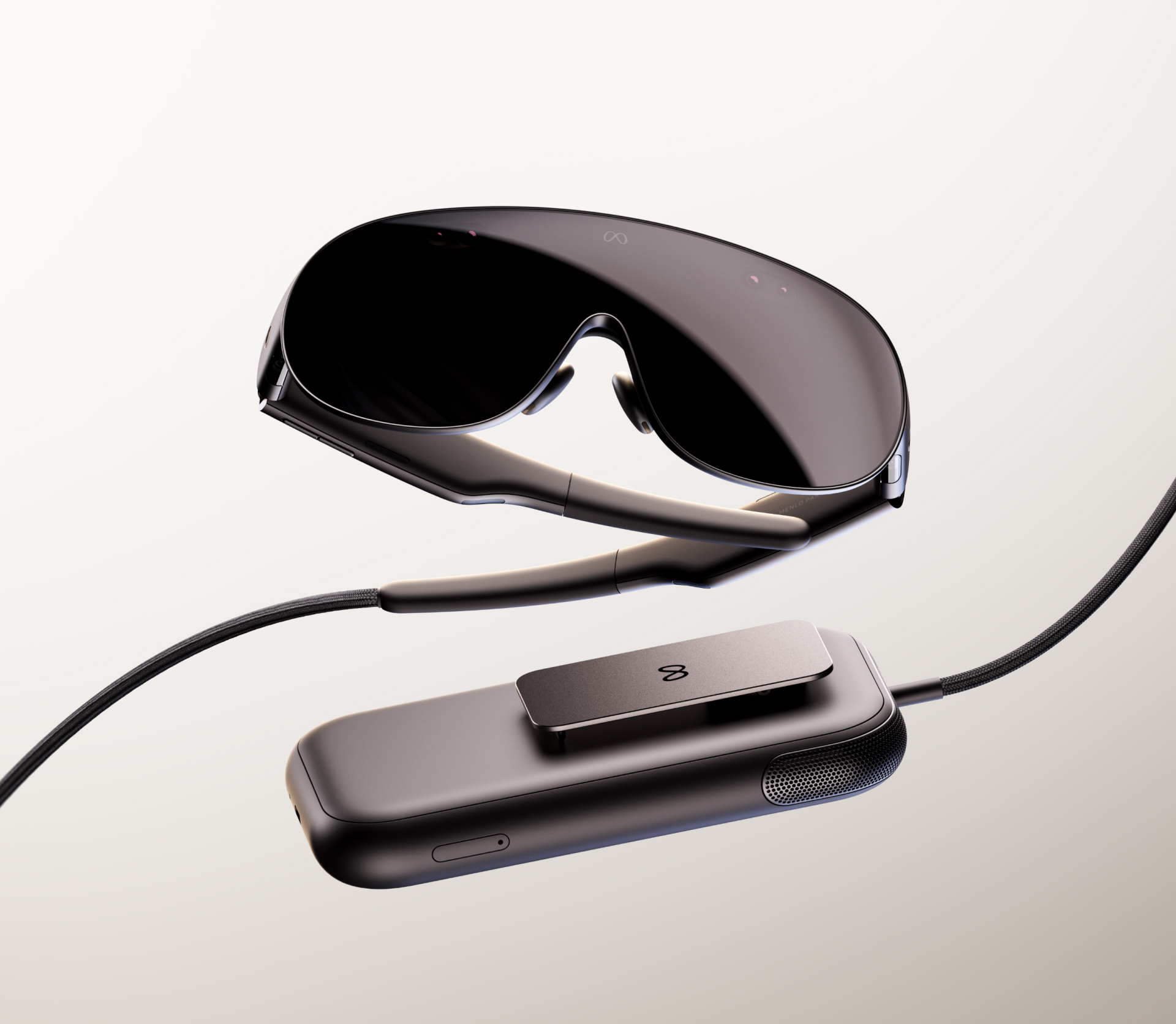
Meta VR Glasses go on sale in SPRING 2027 at $1,299.99. They weigh about 100 grams, run on eyes and HANDS, and do NOT include Touch Plus controllers in the BOX. Controllers remain supported as an EXTRA. Meta’s own expectation is blunt: “though Touch Plus controllers are supported, we expect MOST customers not to use them.” That is why Store ranking now REWARDS apps that cope without them.
The contrast with Apple is deliberate industry context, not a jab. In July, Apple published guidance on building Vision Pro controllers after years of saying the headset did not need any. Meta is arriving at the same SPLIT from the other side: HANDS for the interface, CONTROLLERS for the games that REQUIRE them.
v207 SDK, Gaze Interaction, and a Narrower FOV
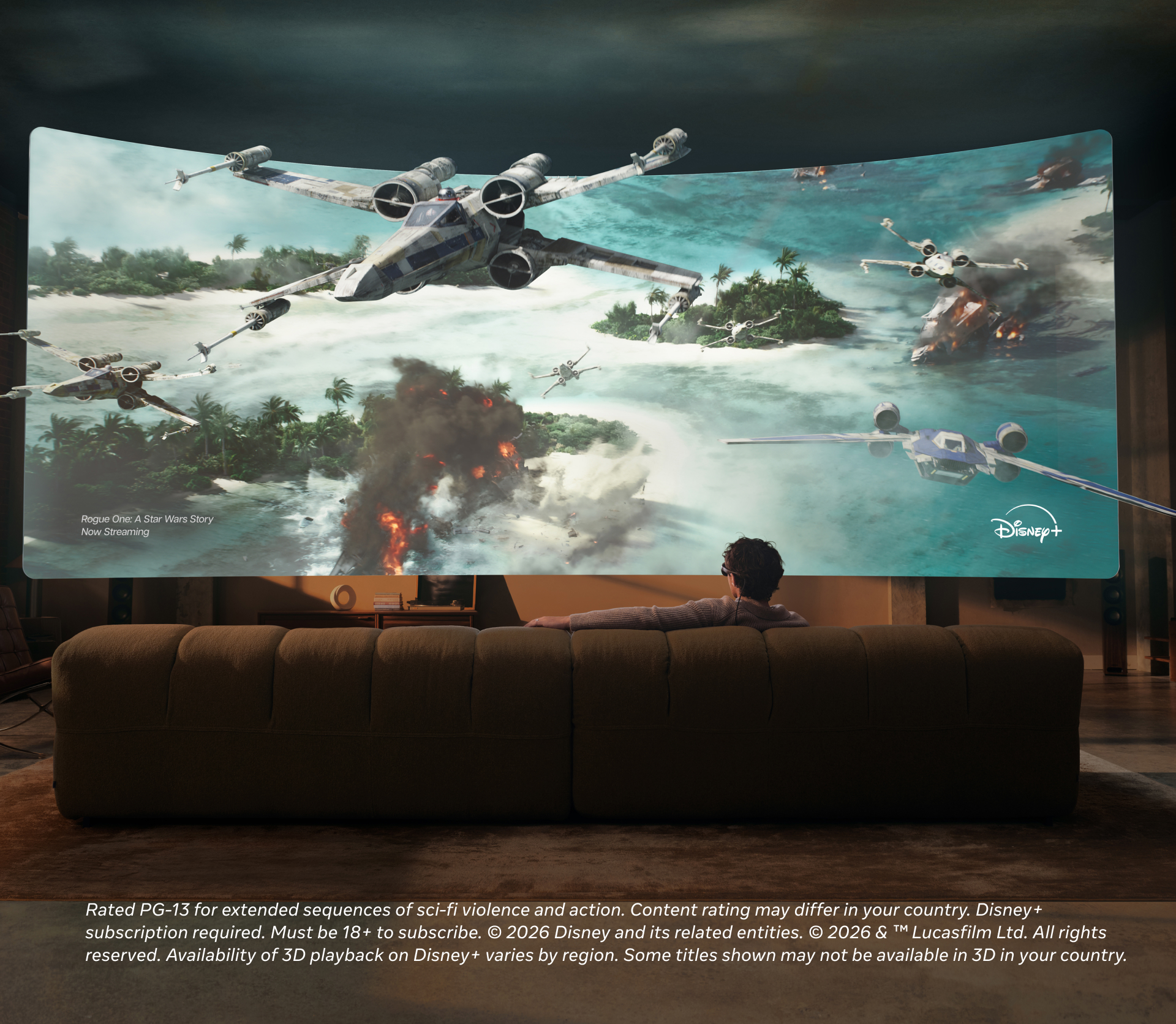
Developers do not need the hardware yet. VR Glasses share Quest’s OS, Store, and SDKs, and the v207 SDKs are OUT NOW. For Unity and Unreal, v207 adds a VR Glasses profile to Meta XR Simulator, which can track hands through a laptop camera. The Interaction SDK adds GAZE INTERACTION, and the rig switches between gaze and raycast by device. Android developers get new layout, gaze, and UI kits, plus an Android Studio plugin that installs templates and a simulator in one step.
The web path is OPEN SOURCE. Meta’s Immersive Web SDK (IWSDK) hit 1.0.0 on npm the morning of Connect, with gaze and pinch input and a VR Glasses emulator profile. Finished web apps can SHIP to the Store as progressive web apps.
SPEED is not Meta’s WORRY. Existing apps “should run at parity or better than Quest 3,” the post says. The edge case is FIELD OF VIEW. It shrinks to “roughly 70 by 66 degrees versus 110 by 96” on Quest 3. You get more RESOLUTION per eye — and UI parked at the extreme edges gets HARDER to see. Health bar in a corner? Move it toward the CENTER.
Hand Physics Lab as the Reference Pattern
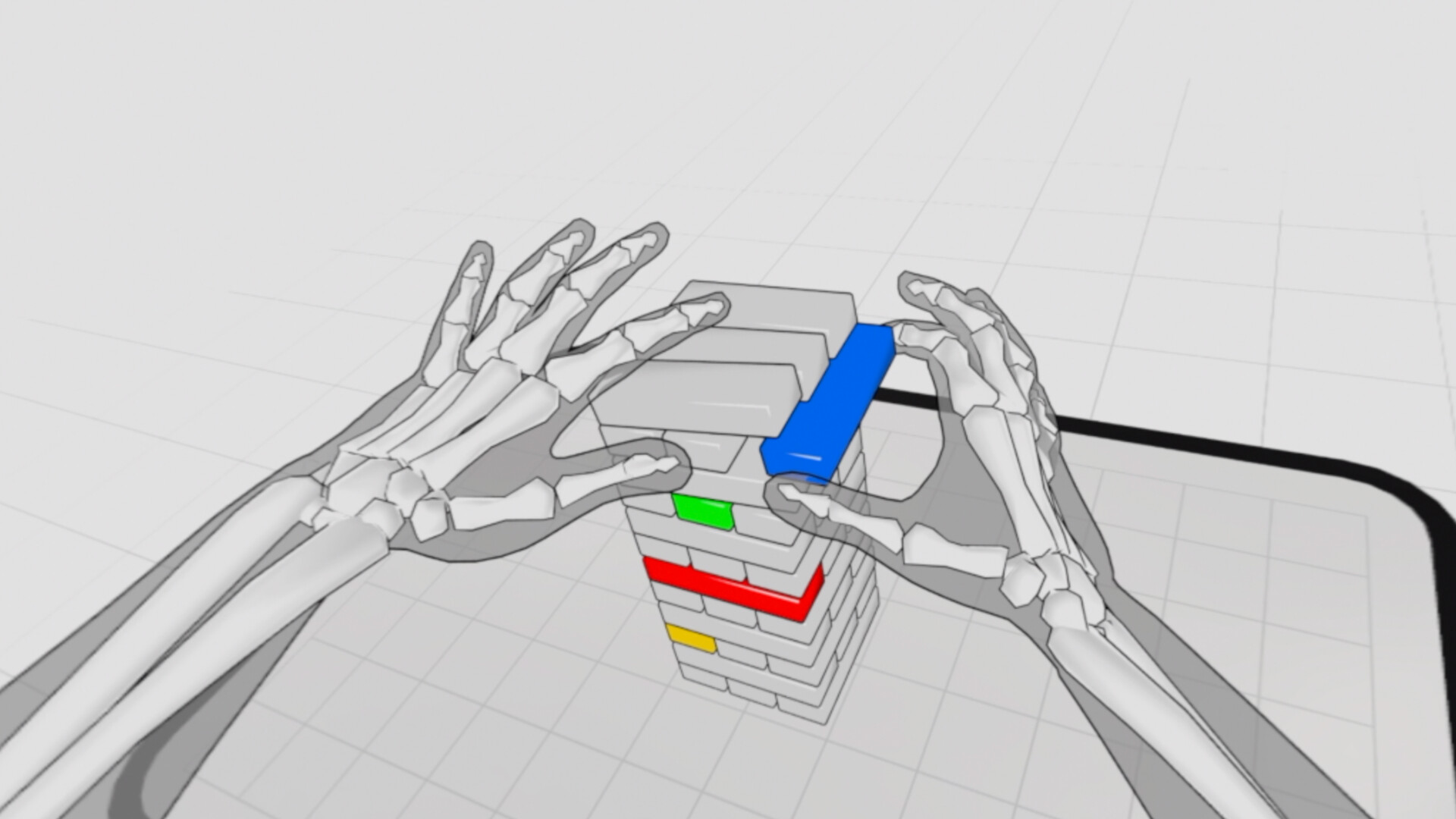
For a model, Meta points to Hand Physics Lab. Holonautic’s sandbox has sold more than 1.3 MILLION copies, per Meta’s case study. Its fix for dropped tracking is worth STEALING: the virtual hand LOCKS in place, then “will slowly lerp toward the real hand, but it will not automatically TELEPORT into it.” Small choice. It keeps a tracking hiccup from looking like one.
The same Connect week opened the second Meta VR Start Developer Competition — $1 MILLION in prizes, submissions through November 18, winners around December 11 — with a HARD rule that experiences must be “fully usable with HANDS, end-to-end.” That prize story is covered SEPARATELY; the point here is the STORE SORT that will greet buyers who SKIP controllers when the glasses ARRIVE.
A practical first afternoon is short. Update to v207 or scaffold a web project. Load the VR Glasses profile. Look hard at your MENUS. Then put on a Quest 3, leave the CONTROLLERS on the desk, and try to finish a whole SESSION with your HANDS. That is the AUDIENCE the Horizon Store will SURFACE first.
Sources: VR.org (Nina Castillo, Sep 24 2026); Meta Horizon OS Developers — Connect recap / start building; Road to VR (Scott Hayden, Sep 24) — Start competition context; Meta Newsroom — Introducing Meta VR Glasses.