Meta just put real MONEY behind the input model that will DEFINE its next headset. At Meta Connect on September 24, 2026, the company opened its next VR START Developer Competition — a $1 MILLION prize POOL meant to STOCK META VR GLASSES with apps that work end-to-end on HANDS, not controllers.
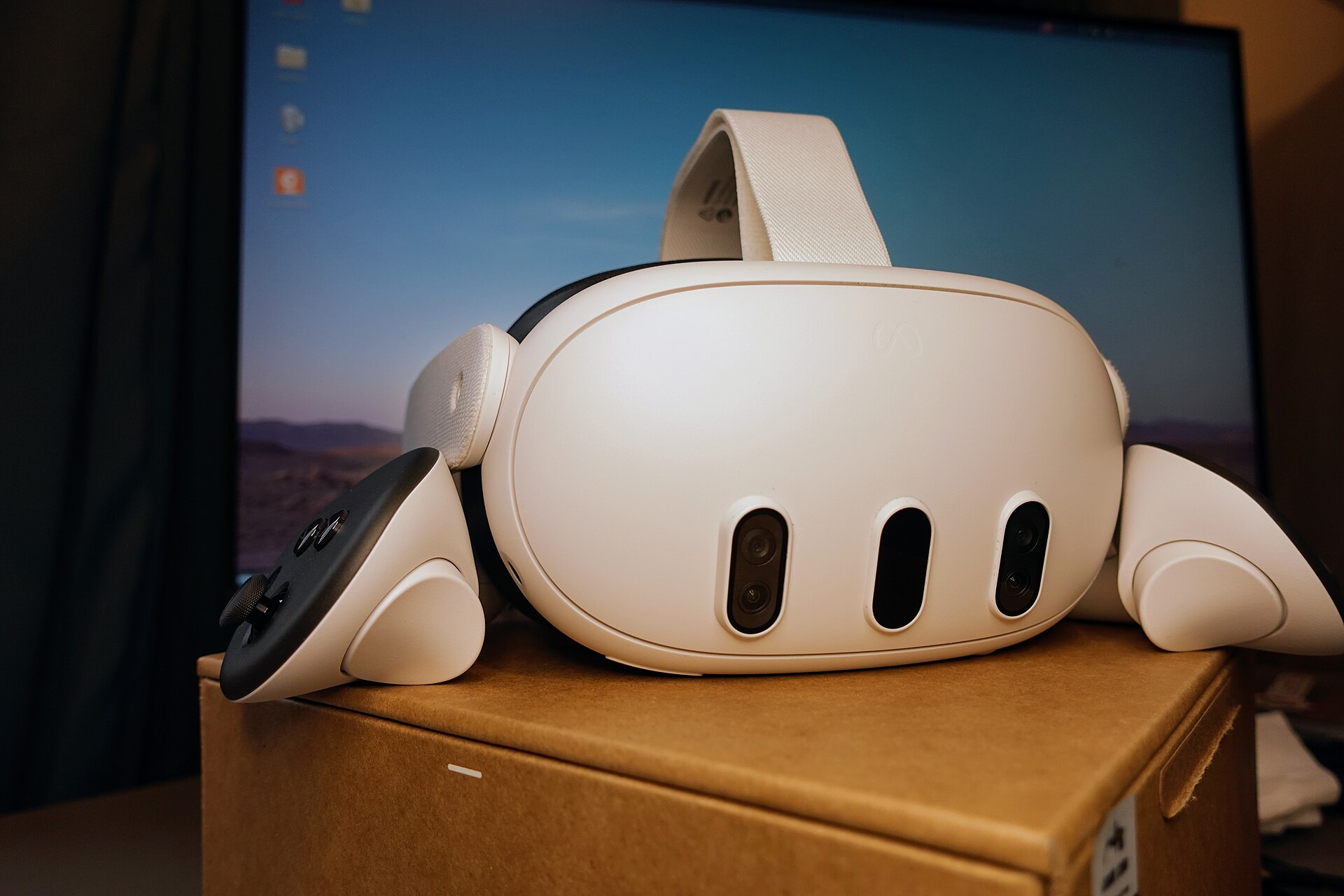
Road to VR’s Scott Hayden framed the contest as a catalog BUILD for the Spring 2027 glasses LAUNCH: entertainment, gaming, and productivity that feel NATURAL without a TOUCH stick. Meta’s Connect recap matches that timeline — eight WEEKS to SHIP new experiences or significantly UPDATE existing Quest apps for the glasses, Quest, or both.
The HAND-TRACKING Mandate
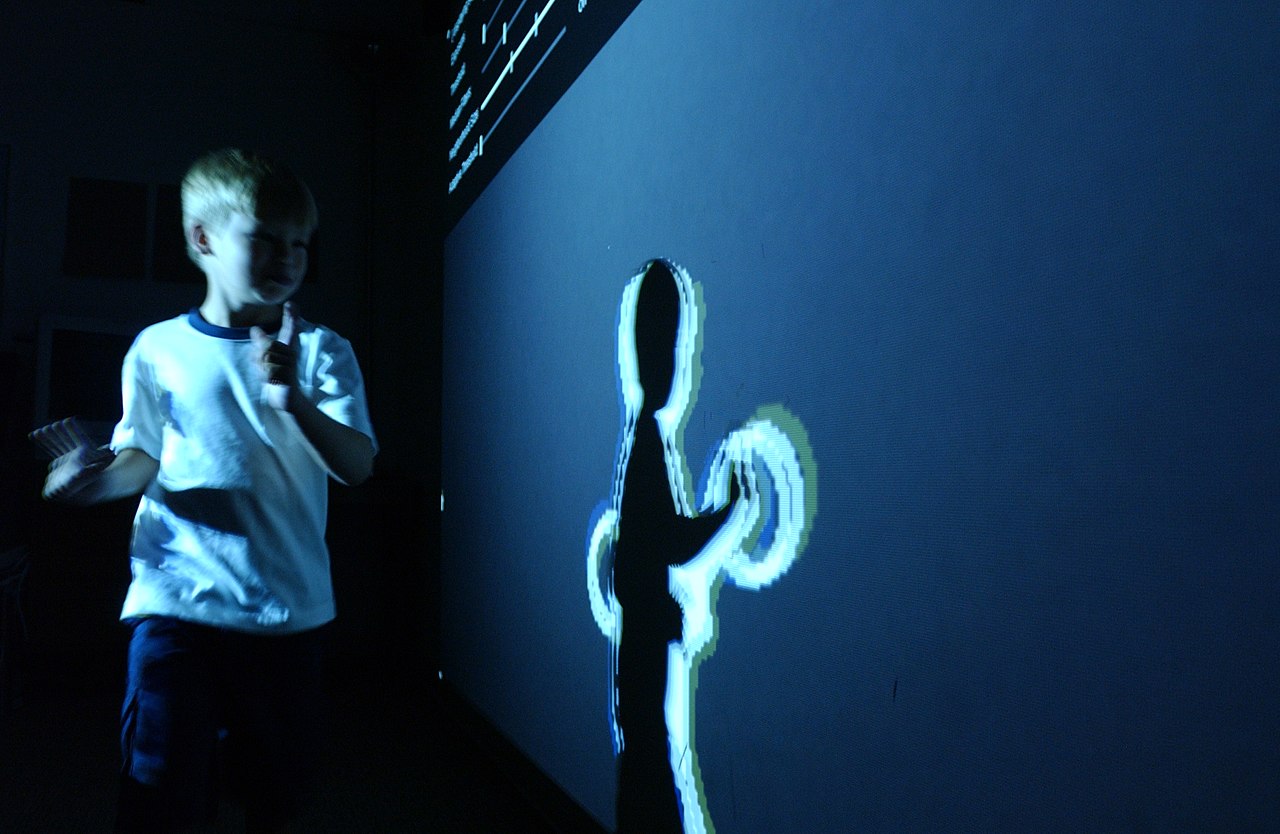
The decisive rule is BLUNT. Games must be “fully usable with hands, end-to-end,” Meta told Road to VR. TOUCH support is welcome but not required. Game entries should FAVOR genres that suit SEATED play without controllers — puzzle, strategy, casual, social, and narrative — experiences that still WORK when glasses ARRIVE without sticks in the box.
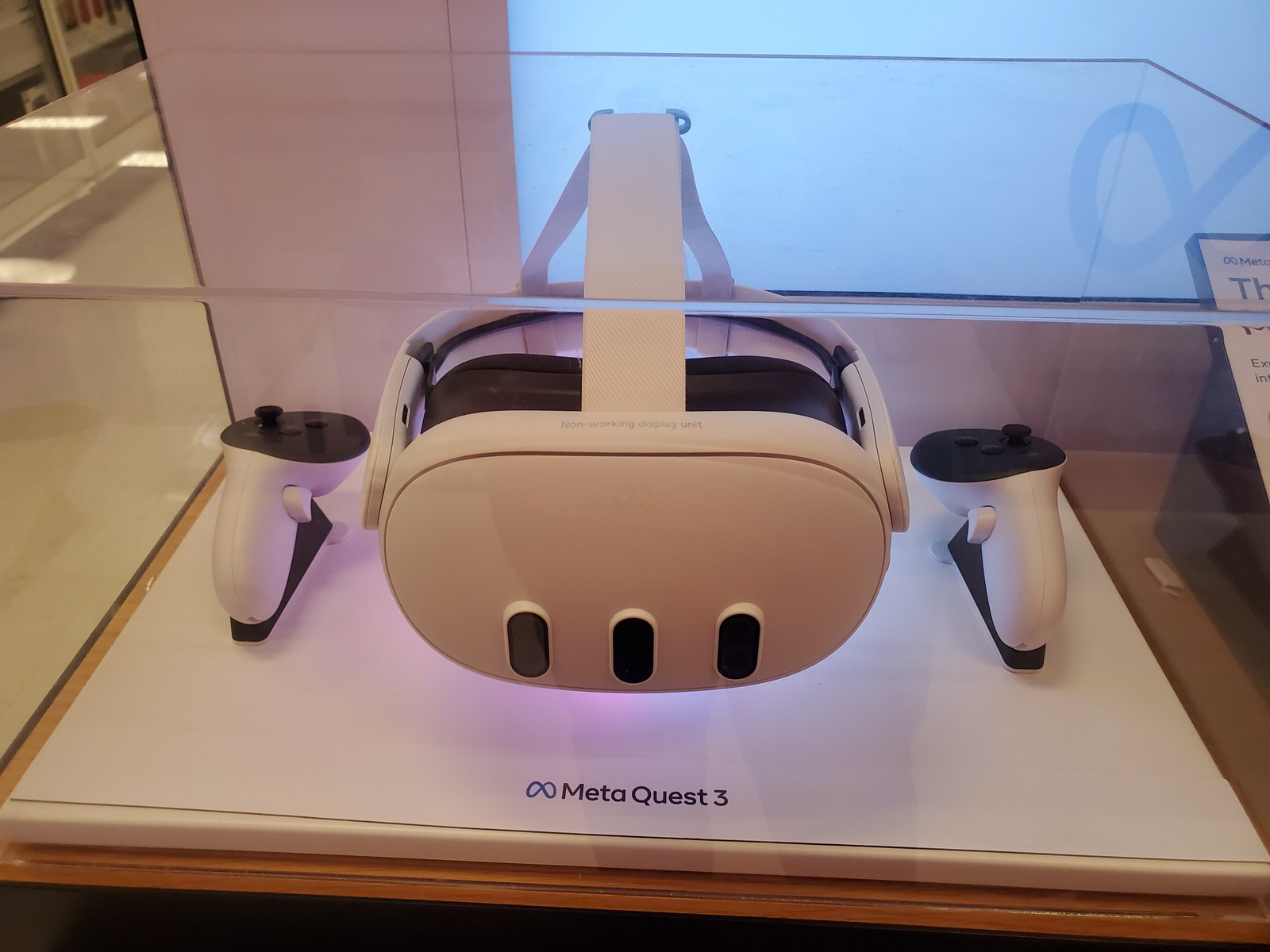
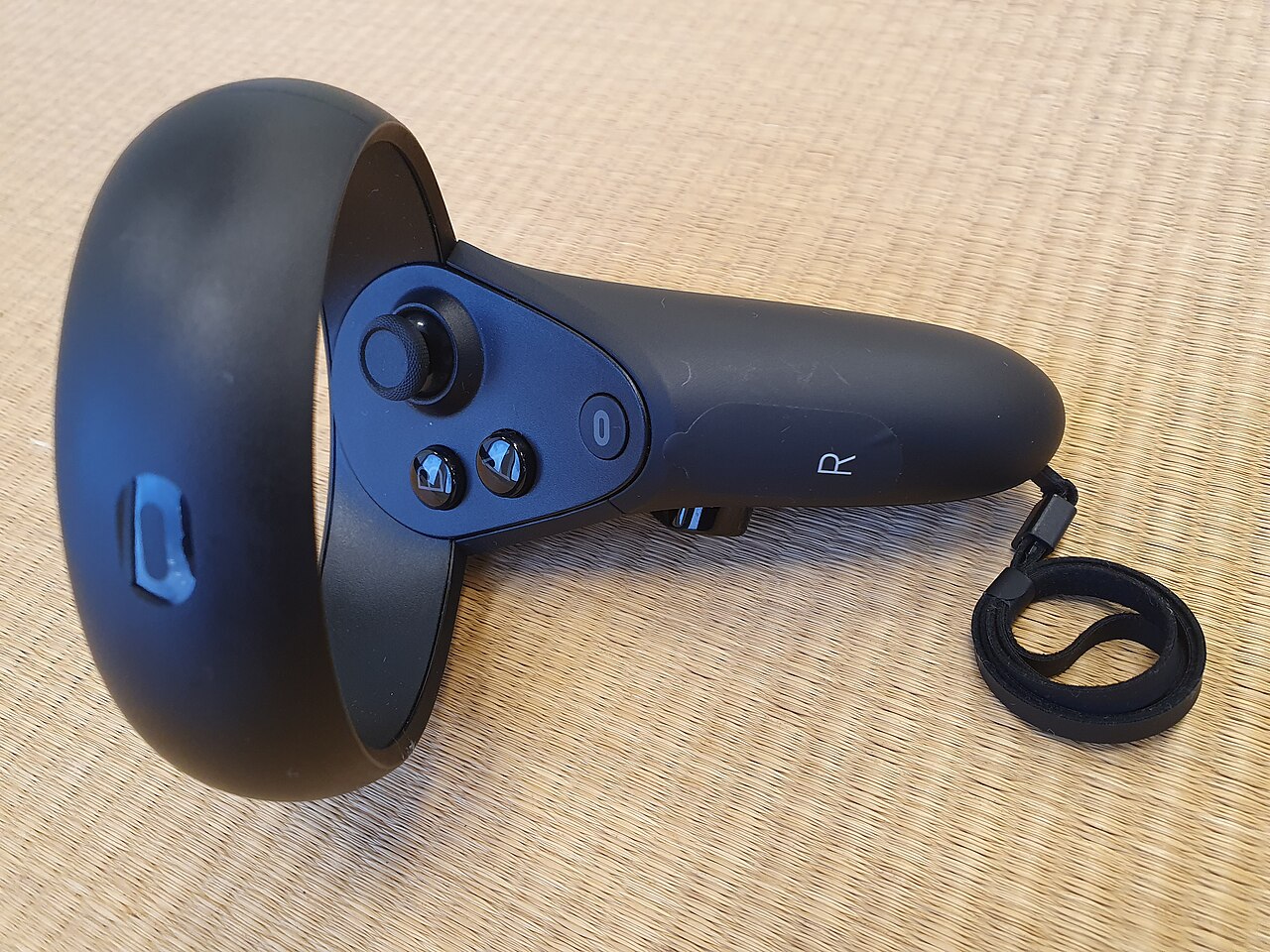
That mandate tracks the hardware STORY Connect already told. Meta VR Glasses support Quest’s Touch Plus controllers but do NOT ship with them. Onboard HAND and EYE tracking are the preferred SCHEME. VR.org separately noted Store guidance: customers who only use hands will see hand-tracked titles FIRST, while controller owners still see the full CATALOG. Hands support, Meta said, “affects your reach.”
$1M Across TWENTY Prizes
Meta’s Connect developer recap puts hard numbers on the pool: a share of $1M across TWENTY cash prizes, with top awards of $100,000 in each CATEGORY. Listed tracks are Gaming, Entertainment, Productivity and Tools, plus Judges’ Choice and special categories. Road to VR described individual awards ranging from $20,000 to $100,000 — consistent with those top TIERS.
The window is SHORT. Submissions run from September 24 through NOVEMBER 18, 2026. Winners are set to be announced live on or around DECEMBER 11, 2026 — leaving a winter POLISH stretch before the glasses’ Spring 2027 retail WINDOW at roughly $1,300.
PROTOTYPE on Quest 3 Today
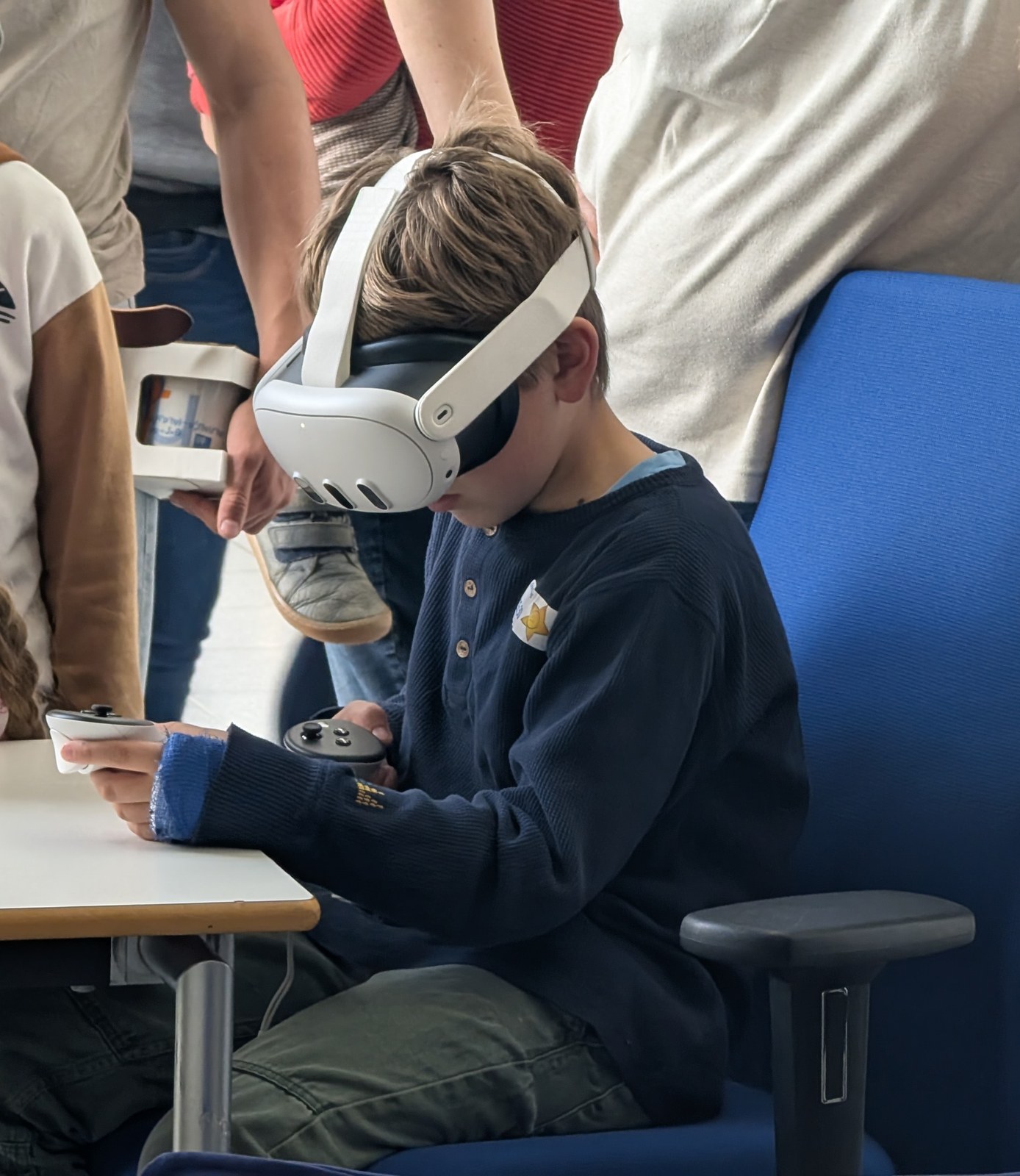
Because Meta VR Glasses run the same operating system as Quest, developers can PROTOTYPE on Quest 3 plus Meta’s desktop TOOLS: Meta XR Simulator for Unity and Unreal, Meta Spatial Simulator, and the Immersive Web Emulator. Entry requires joining the META HORIZON START program first — the same funnel Meta uses to COACH indie and startup teams.
Meta’s quote, via Road to VR, leans on distribution rather than vanity: “For a small team without a marketing budget, that visibility drives traffic to your Store listing and gives you something concrete to point to when you pitch a new project or recruit collaborators.” The contest is marketing CURRENCY as much as cash — a Store SPOTLIGHT indie teams can CITE when pitching or hiring.
Why This COMPETITION Matters
Connect week already covered the glasses form factor, Unity support, IMAX, and Codec Avatars. This announcement is the content PIPELINE piece: Meta is paying studios to write the hand-first catalog before Spring 2027, not hoping it appears after LAUNCH day. Controllers stay in the ECOSYSTEM; the prize money steers the DEFAULT experience toward hands.
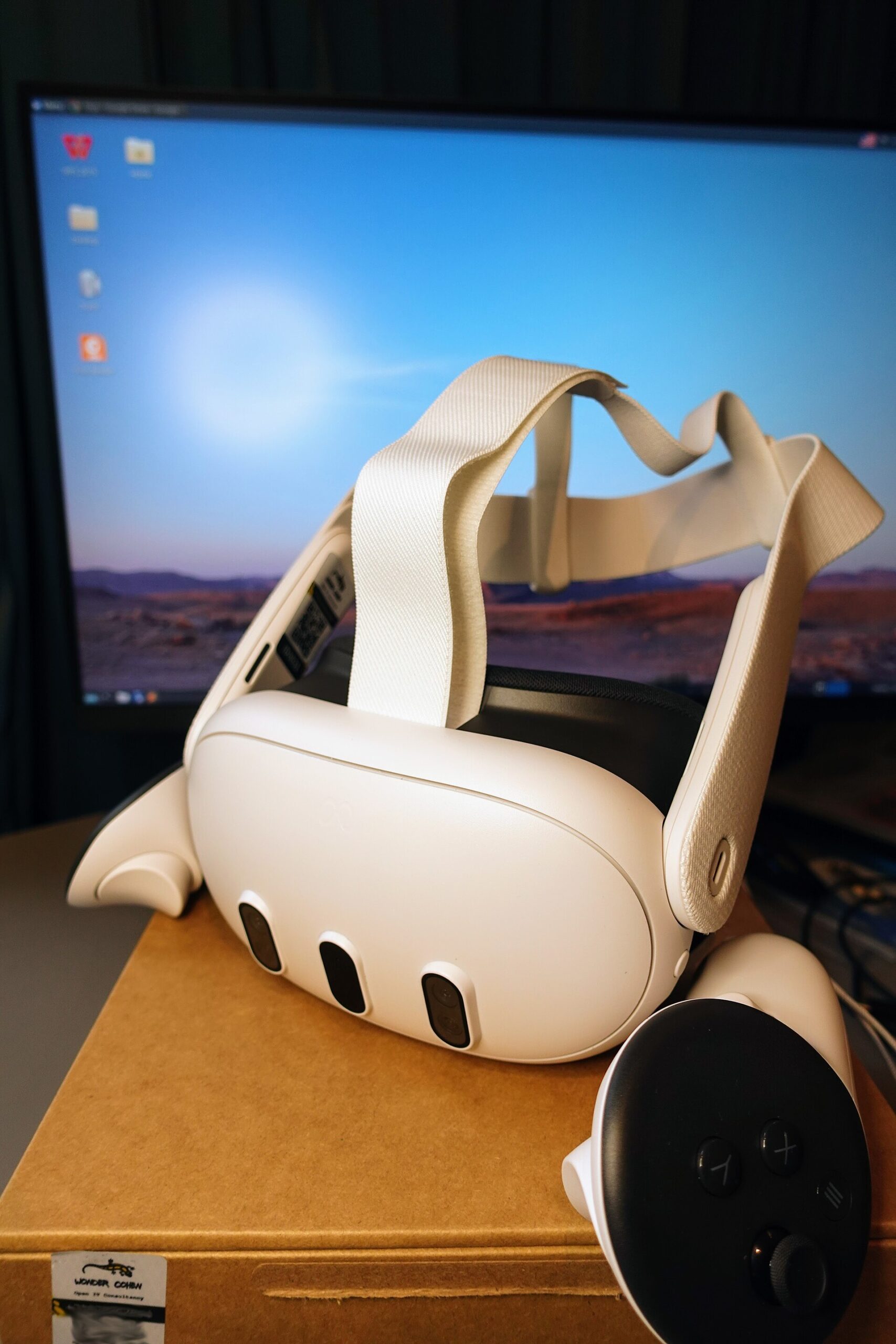
For teams already on Horizon OS, the actionable path is CLEAR: join START, design for seated hands-first sessions, VALIDATE on Quest 3 and the XR Simulator, and submit before November 18. The glasses will still need blockbuster titles. Meta just made the mid-tier, controller-optional layer worth ONE MILLION dollars to BUILD.
Sources
- Road to VR — Meta Launches $1M Developer Competition for Hand-tracked VR Glasses Apps (Scott Hayden, Sep 24, 2026)
- Meta Horizon Developers — Meta Connect Recap (2026 VR Start Developer Competition section)
- Meta — Horizon Start Program
- VR.org — Meta VR Glasses Store Will Surface Hand-Tracked Apps First (Nina Castillo, Sep 24, 2026)