On September 24, the U.S. Consumer Product Safety Commission and Health Canada both flagged the INMO AIR3 — a waveguide AR glasses model sold for roughly $900 to $1,300 — because the LEFT TEMPLE can OVERHEAT during EXTENDED use. The CPSC notice, as reported by The Verge, says the fault poses a risk of serious injury or death from a BURN HAZARD. Owners are told to STOP using the glasses immediately and install a FREE FIRMWARE FIX.

This is NOT a Meta Connect story and NOT another VR glasses hands-on. It is a REGULATORY story about heat, battery packaging, and how fast a niche AR SKU can turn from Kickstarter darling into a RECALL.
What Regulators Say Happened
According to The Verge’s September 24 report, regulators have logged 10 REPORTS of users feeling a burning sensation on the face and the left side of the ear while wearing Air3. The failing part is specifically the LEFT TEMPLE — the arm that typically packs radios, amplifiers, or battery cells in all-in-one AR frames.
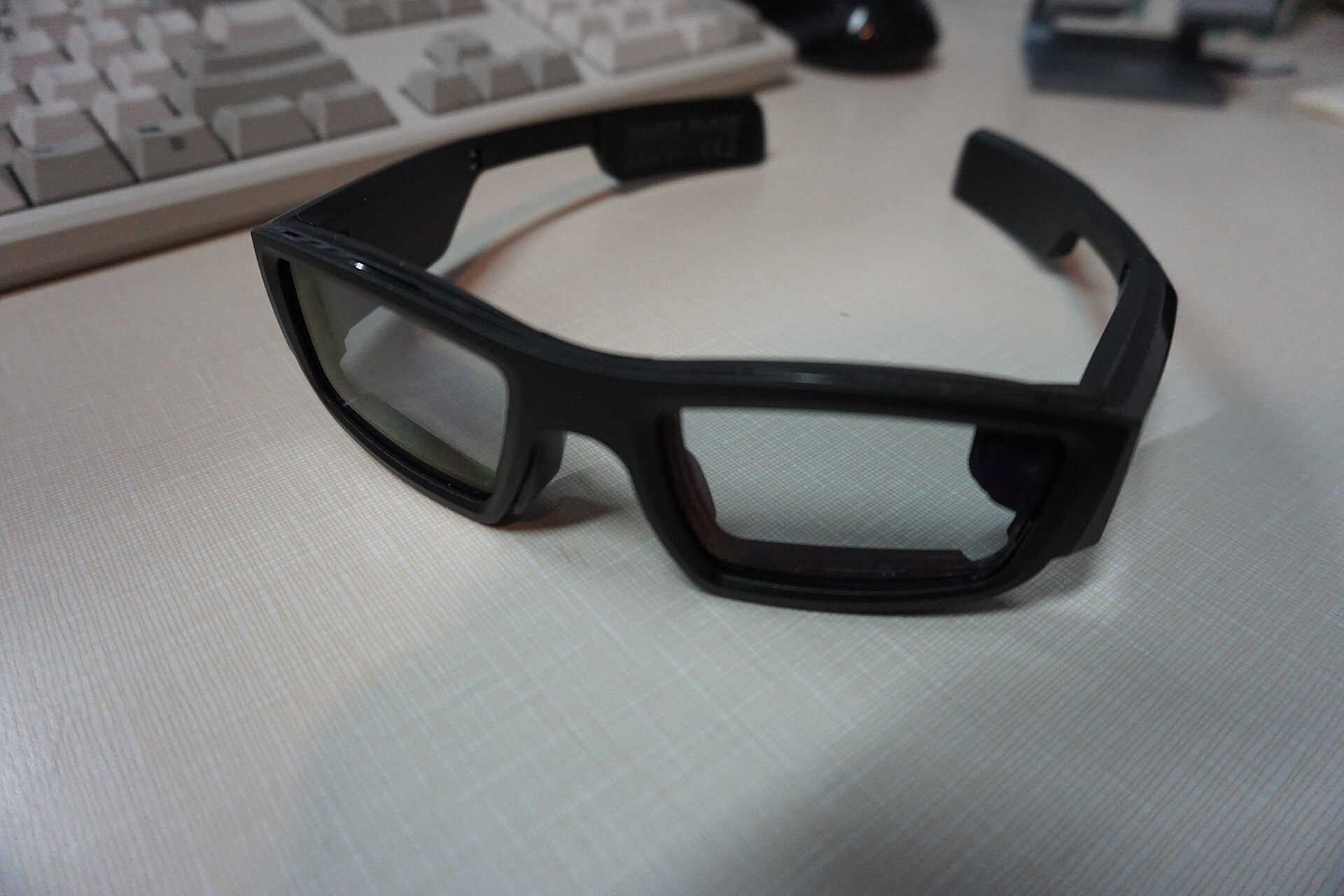
Coverage summarizing the CPSC filing puts U.S. volume at about 1,643 UNITS, with another 120 UNITS in Canada. Units shipped between December 2025 and August 2026 through INMO’s site, Amazon, and the Kickstarter campaign that originally funded the launch. Identifying marks: black frames and a right-temple label printed with “Air3” and “Inmo.”
Health Canada’s parallel notice, as relayed by 604 Now on the same day, says Canada had ZERO reported incidents or injuries as of September 17. The U.S. side lists the 10 overheat reports but, in that Canadian summary, no confirmed injury yet — even as the CPSC language warns of serious burn risk.
The Fix Is Firmware — After You Stop Wearing Them
INMO’s remedy is a FREE online software update, not a hardware swap. Health Canada directs owners to STOP USE, then update firmware to version 3.16 before wearing the glasses again. INMO’s own support docs describe the path: Settings → About the Smart Glasses → System Version → Update Now, with at least 1 GB free and battery preferably above 80%.
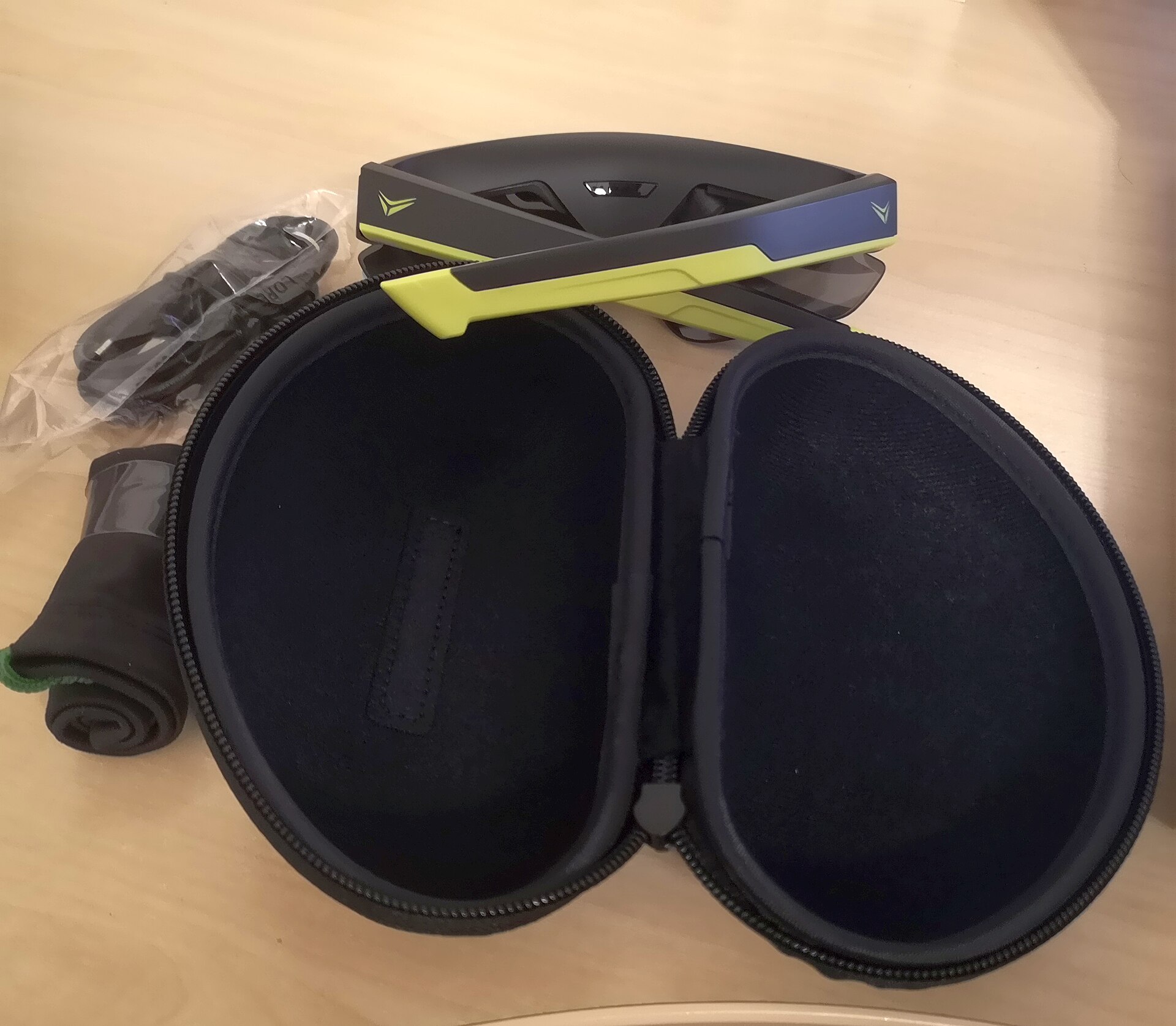
The Verge notes an awkward detail: reviewers flagged LEFT-TEMPLE HEAT as far back as roughly seven months ago, and INMO already shipped a protective sleeve meant to buffer the wearer’s head from excessive heat. That suggests the thermal PROBLEM was KNOWN in the field long before the formal CPSC action.
Why Temple Heat Matters for AR Glasses
All-in-one AR glasses squeeze display drivers, cameras, radios, and batteries into arms that sit against skin for hours. Unlike a phone you can drop on a table, a temple that spikes stays pressed to the face and ear. That is why regulators treat overheat on eyewear as a BURN HAZARD, not a mere comfort complaint.
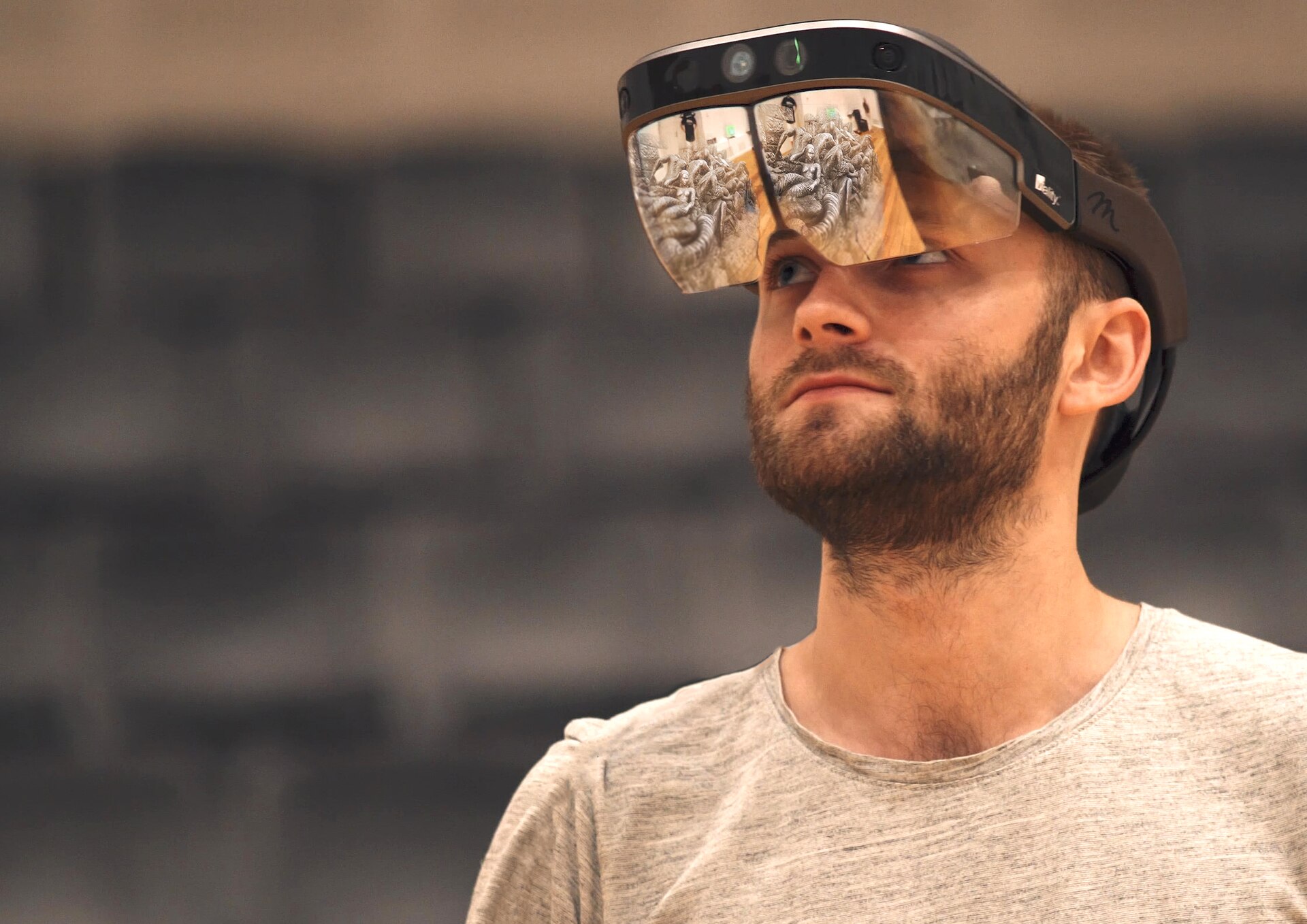
Air3 launched as an all-in-one 1080P full-color WAVEGUIDE headset on Snapdragon-class silicon, pitched at Kickstarter with early-bird pricing near $799 and MSRP near $1,099. That positioning — standalone, bright, light enough for daily wear — is exactly the THERMAL envelope where continuous load on one temple becomes dangerous if firmware or power limits fail.
What Owners Should Do Now
If you own black INMO Air3 frames with the right-temple label: STOP wearing them. Contact INMO support (U.S. numbers cited across notices include 1-800-689-8547 / 888-212-9620) for the free update, or follow the in-device path to firmware 3.16. Do NOT resume normal use until that update completes and the glasses restart cleanly.

For the broader XR market, the recall is a stress test of CATEGORY MATURITY. Waveguide AR glasses are finally shipping in consumer volumes measured in thousands, not dozens — and regulators are now writing the same burn language used for overheating laptops and phones onto FACIAL hardware. That is the story beyond one SKU: when AR leaves the lab, THERMAL MARGINS become safety certificates.
Sources
- The Verge — These smart glasses have been recalled for overheating temples causing burns (Sep 24, 2026)
- 604 Now — Health Canada INMO AIR3 burn recall summary (Sep 24, 2026)
- ChuckysCarnage — CPSC unit counts and stop-use guidance (Sep 24, 2026)
- INMO Support — Air3 firmware update steps (version path to 3.16)
- PR Newswire — INMO Air3 launch specs and Kickstarter pricing (Sep 5, 2025)