London’s Unit1 Studio closed £20 million in new funding on September 21 to scale mixed-reality avatar concerts that can MOVE between venues. Tech.eu and The Next Web report the round as £20 million; Balderton Capital and Music Week frame the same announcement as $20 million. Either way, the BET is commercial: make LED-stage AVATARS cheaper to BUILD and cheaper to RELOCATE.

The company is not selling headsets. It is selling a production STACK: synthesized 3D performers on large LED screens, combined with live lighting, sound, and staging. CEO Barney Wragg has put it bluntly — “Nothing is ‘real’” — and Unit1’s public showcase remains a KT Tunstall ambassador build, not a ticketed residency.
The Barrier ABBA Voyage Left Unsolved
ABBA Voyage proved audiences will buy avatar SHOWS. It also locked that model to a purpose-built ARENA. The Next Web notes Voyage’s custom London venue reportedly cost about £140 million and has stayed put. Unit1’s pitch, repeated across Balderton’s and Tech.eu’s coverage, is that DEVELOPMENT and RELOCATION costs have kept similar productions out of reach for most artists and catalog owners.
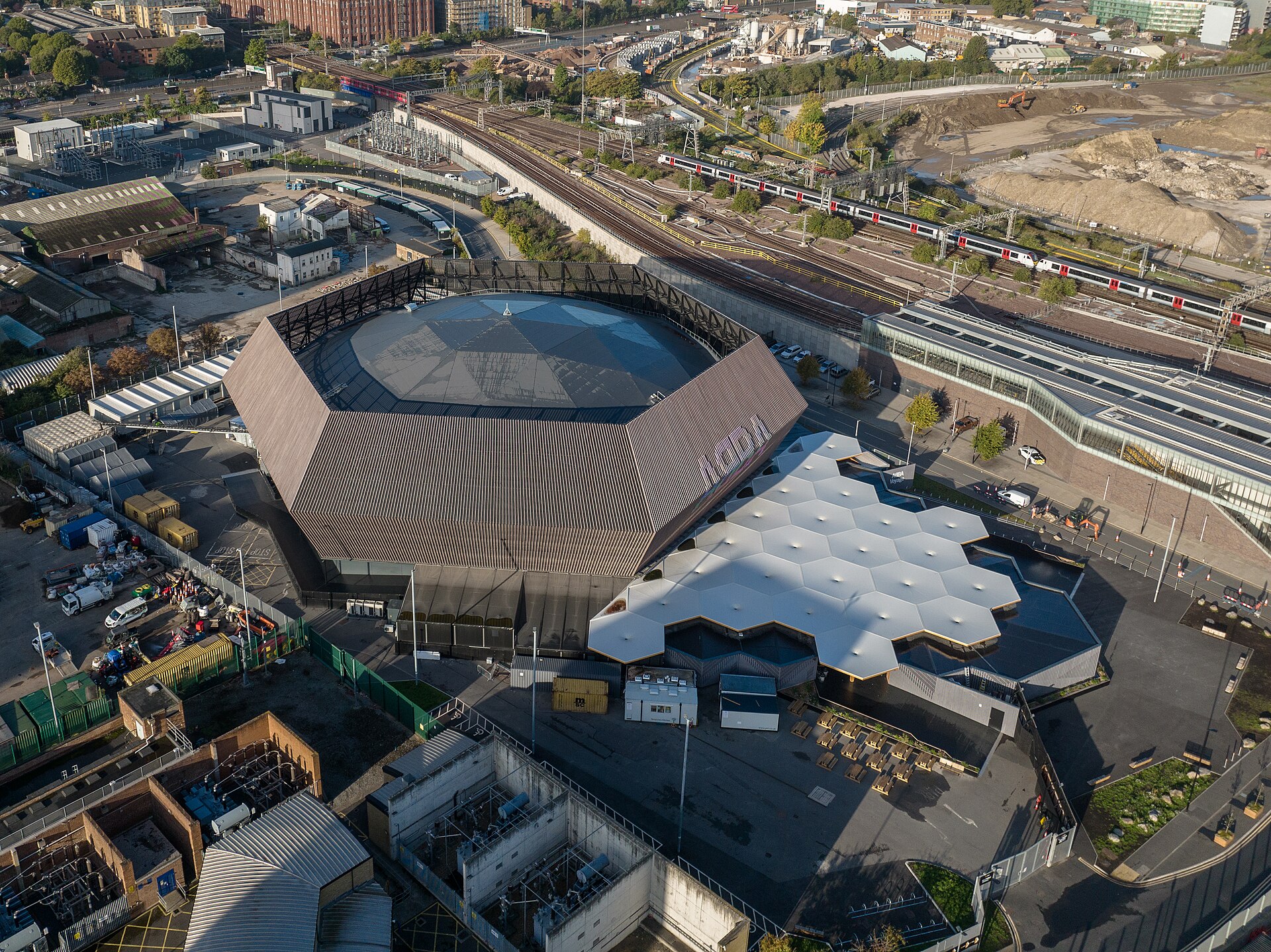
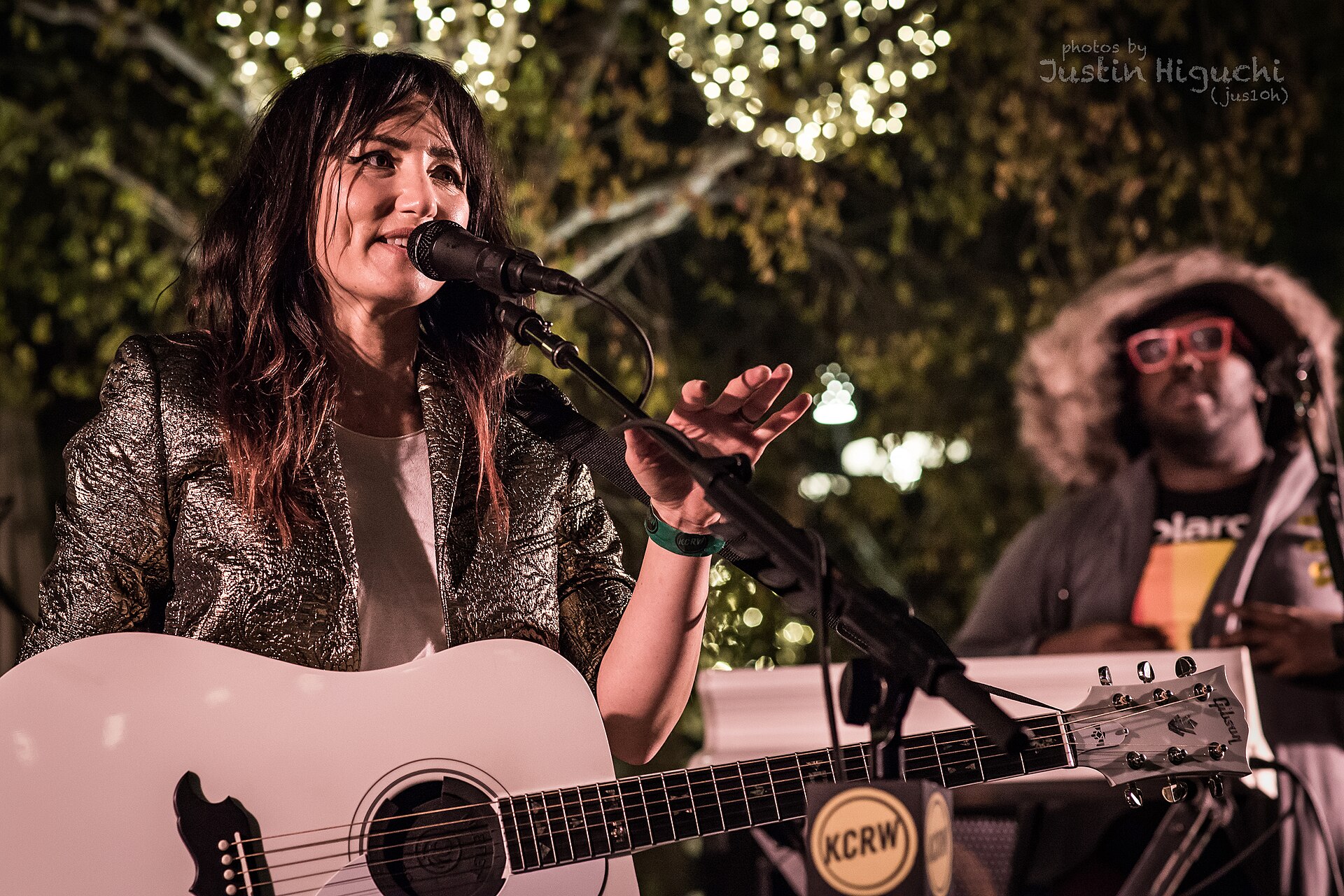
Unit1 says it has cracked the transfer problem. Balderton’s September 21 note cites a successful move of the KT Tunstall showcase from a former Hammersmith location to a purpose-built studio at Tileyard London. The Next Web adds a concrete clock: the company moved a full show between venues in FOUR DAYS.
What the Money Buys
The funding mixes an oversubscribed equity round — led by Balderton and joined by existing backers Mercuri, Gilston Music, and U2 manager Paul McGuinness — with additional production financing for concerts already in development. The Next Web also lists Saul Klein among participants. Music Week says Unit1 has expanded its board with former Universal Music UK / IFPI chief John Kennedy as a non-executive director, and added avatar creators Greg Meeres Young and Sefki Ibrahim (an ABBA Voyage name) to deepen VFX and AI-assisted CGI.
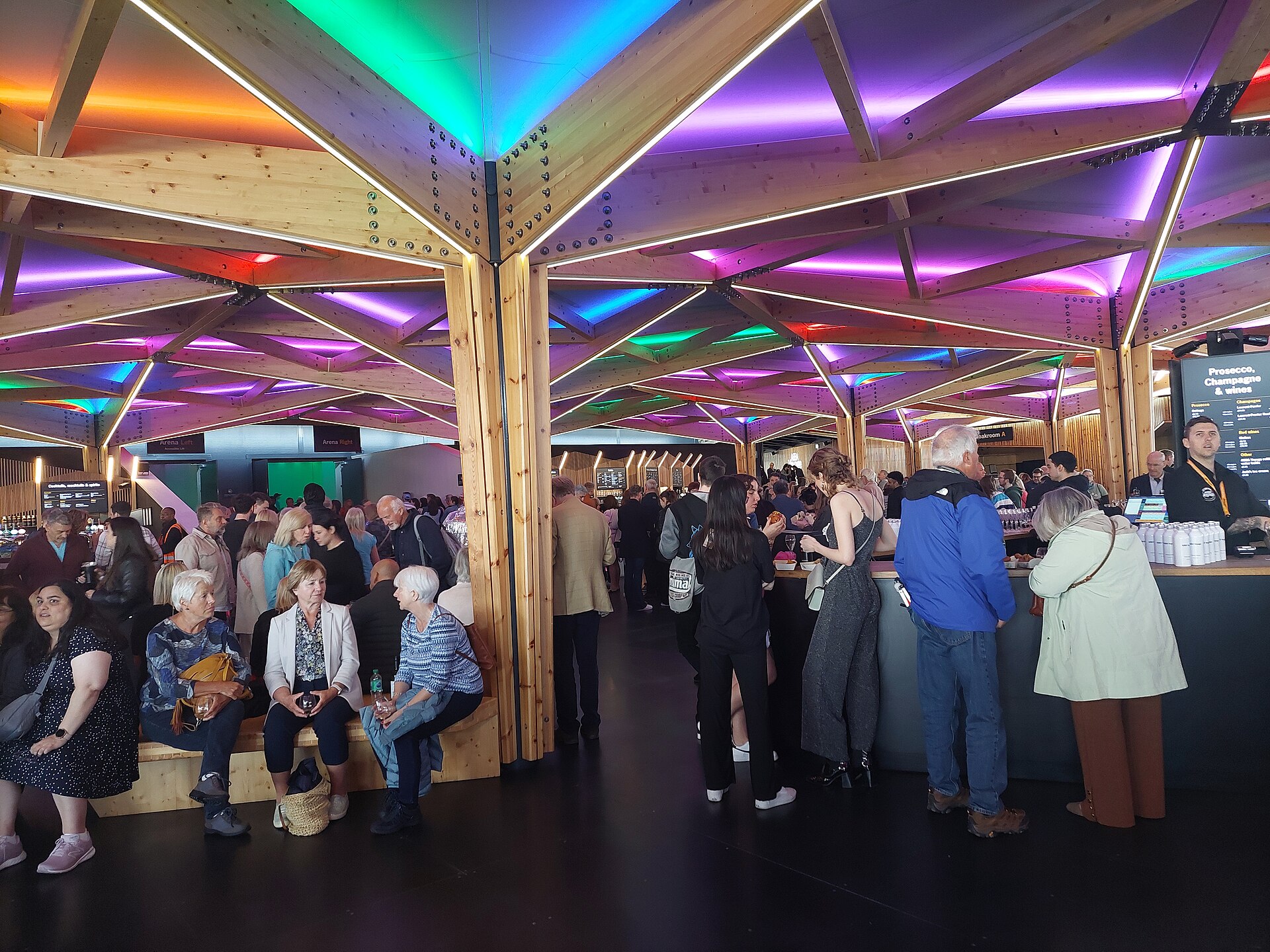
On the business side, The Next Web reports a theatre-style model: each show is funded as its own production, venues target fewer than 800 seats, and the company says it breaks even near 70% CAPACITY in year one. Artists and catalog owners get higher royalties rather than selling rights — a contrast The Next Web draws with Pophouse’s catalog-buy approach around ABBA Voyage.
LED Reality, Not Holograms
Unit1’s stack is closer to virtual production than Pepper’s Ghost. An April partnership note from Brompton Technology and ROE Visual describes the Tunstall demo on ROE Topaz 1.5 mm LED with a Brompton Tessera SX40 4K processor — colour accuracy sold as the difference between selling the ILLUSION and breaking it. That is the same LED-wall family as Voyage-class shows, rebuilt for smaller rooms and faster MOVES.
Wragg’s line, quoted by Tech.eu and Balderton, is the strategy in one sentence: Voyage PROVED demand, but cost and relocation blocked SCALE — Unit1 says it can develop shows at a fraction of that cost and REPLICATE them to any location. Which artists get tickets first remains unstated. Unit1 says it will name acts when sales open. Until then, the news is the checkbook and the claim that avatar concerts can finally TOUR.
Sources
- Tech.eu — Unit1 Studio raises £20M to scale avatar concert technology (Sep 21, 2026)
- Balderton Capital — Unit1 breakthrough and new investment (Sep 21, 2026)
- The Next Web — London’s Unit1 raises £20M (Sep 21, 2026)
- Music Week — Unit1 secures further $20m (Sep 21, 2026)
- Brompton Technology — Unit1 / ROE Visual partnership (Apr 14, 2026)