Apple’s visionOS 27 drop did more than ship Siri AI. It opened the Vision Pro accessory stack that used to be a closed LIST. According to Apple’s own developer notes and UploadVR’s September 17 rundown, any company can now BUILD IR LED spatial accessories that the headset TRACKS at up to 90 Hz.
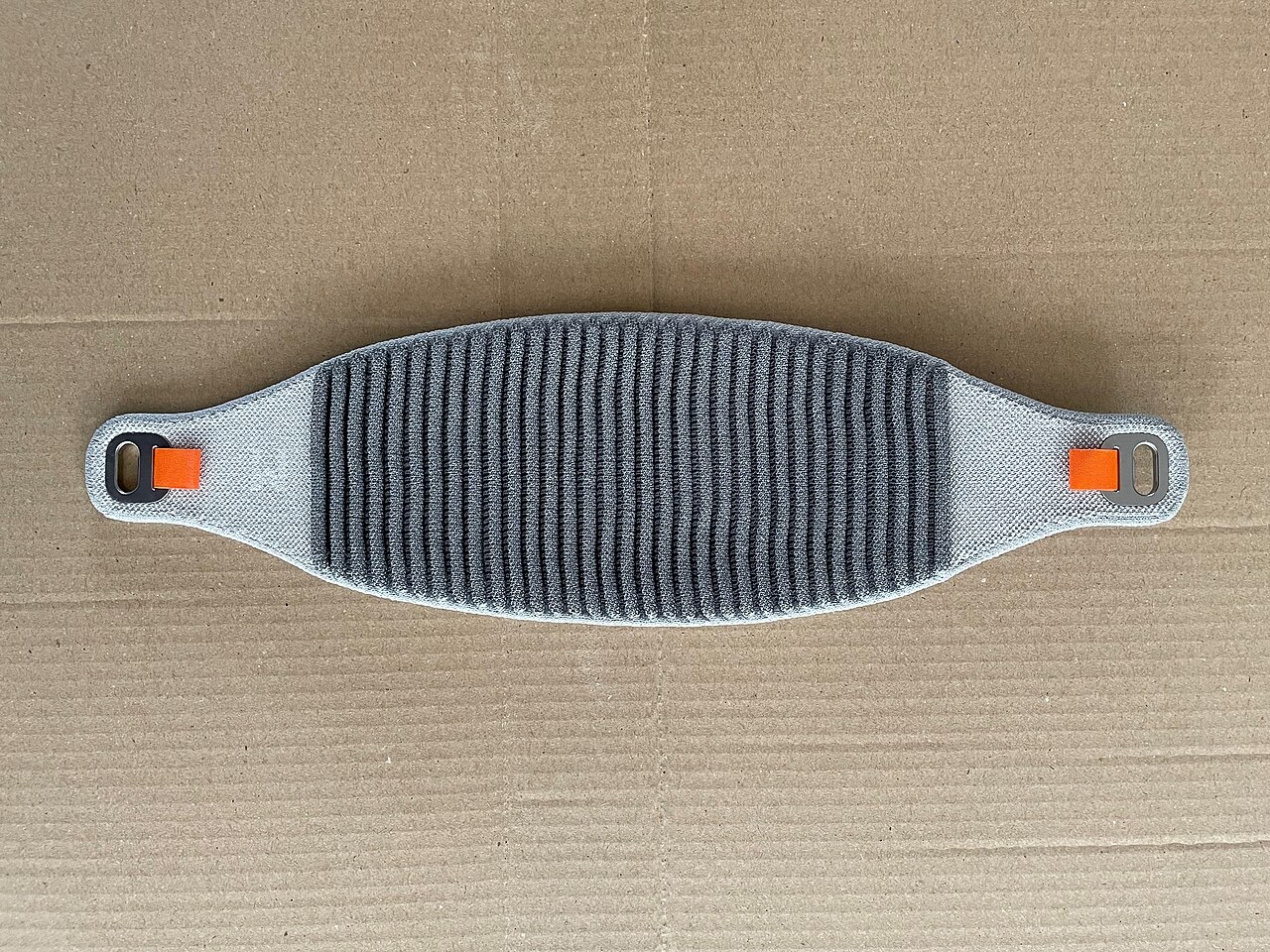
That is the story under the feature LIST. Last year’s visionOS 26 path HARDCODED support for Sony’s PlayStation VR2 Sense controllers and Logitech’s Muse stylus. This year’s API turns that exception into a PLATFORM — closer to how SteamVR “Lighthouse” accessories work on PC than to another one-off PAIRING.
What Apple Actually Shipped
Apple’s What’s new in visionOS 27 page is blunt. A spatial ACCESSORY combines IR LEDs and an IMU for precise six-degrees-of-freedom TRACKING, plus optional buttons, touchpads, and HAPTICS. Optical TRACKING runs at up to 90 Hz, fused with accelerometer and gyroscope data — the same quality class UploadVR assigns to Sense-class controllers.
Two software ROUTES exist. A maker can ship a companion visionOS APP that REGISTERS the LED constellation so other apps can USE the hardware. Or a developer can BAKE the accessory definition into a single APP — the enterprise path when the device never leaves one WORKFLOW.
MikroE and DFRobot Are the First Kits
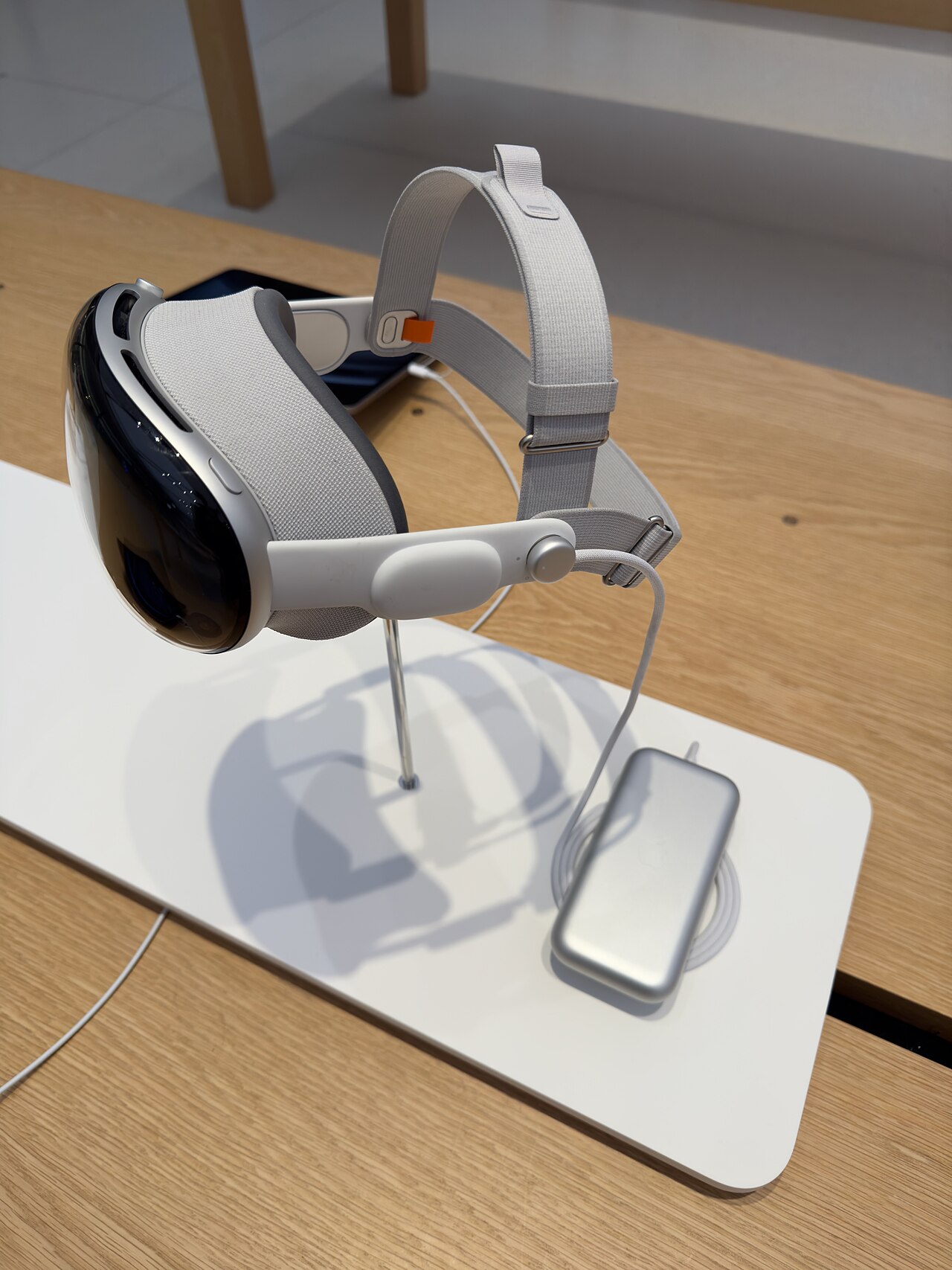
Apple names two reference MAKERS on that same page: DFRobot and MikroE. Both are building off-the-shelf development kits for testing or direct USE inside visionOS apps.
MikroE’s Spatial Anchor lineup, announced in June, is the clearer price SHEET. The S1 sells for $175 with a compact four-point IR LED constellation for tight MOUNTS. The larger R1 is $195 with an eight-point constellation aimed at simulation rigs and industrial GEAR. Both carry USB-C, BLE pairing, and a 250 mAh battery. Apple’s September notes still place broader kit availability LATER in 2026 — but the OS door is open NOW.
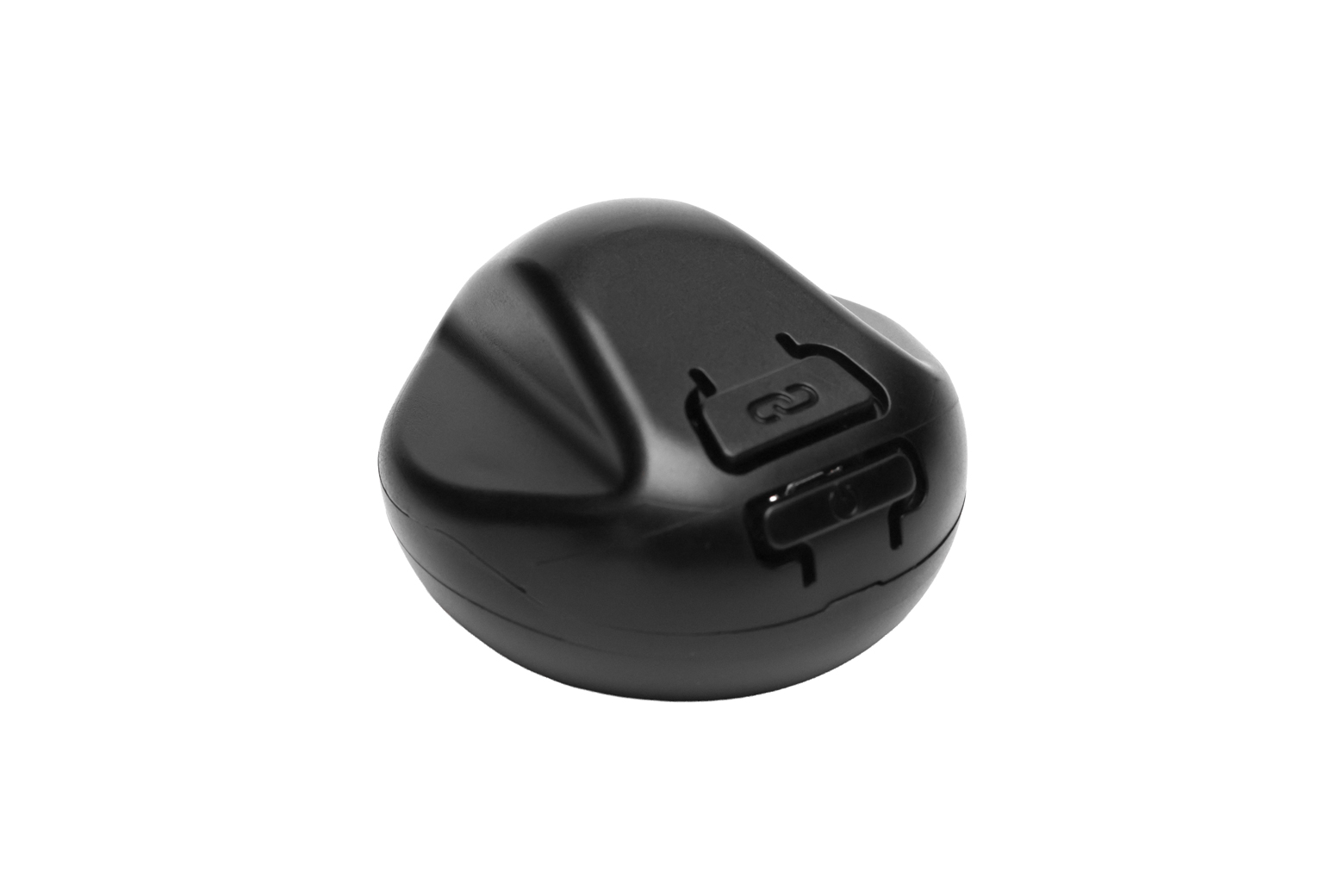
UploadVR adds that DFRobot hardware is already available to buy, matching the seeMote Cap PREORDER path we covered earlier at $229. The point is not one SKU. It is that Vision Pro now has a documented, third-party TRACKING path instead of waiting on Apple to bless each controller by name.
Why This Matters Before Meta Connect
Held-object TRACKING also got faster in visionOS 27 — high-frame-rate object tracking with an Extended Training mode in Create ML — but Apple itself notes that path still lags accessory tracking on update rate and LATENCY. IR LED kits are the answer when a SCALPEL, a tool, or a custom CONTROLLER has to stay locked to the user’s HAND under motion.
None of this is a consumer gamepad launch. There is no day-one mass-market stylus SHELF, no Apple Store endcap of third-party Sense clones. What shipped is INFRASTRUCTURE: an API, two SOFTWARE registration paths, and named REFERENCE kits from MikroE and DFRobot. For enterprise and indie hardware teams watching Connect week, that is the SIGNAL — Vision Pro is no longer a two-device accessory ISLAND.
Sources: Apple Developer — What’s new in visionOS 27; UploadVR — visionOS 27 launch feature list (Sep 17, 2026); AppleWorld.Today — MikroE Spatial Anchor R1/S1 pricing; MikroE Spatial Anchor boards.