Engadget’s Devindra Hardawar scores Valve’s Steam Frame a 6.5/10 on launch day — and the headline does not mince words: solid standalone VR that is “too little, too late.” That is a colder read than The Verge and Tom’s Hardware, which praised comfort and streaming while still calling the software early-access. Engadget’s review lands on price, thin new content, and weak speakers as the deal-breakers.
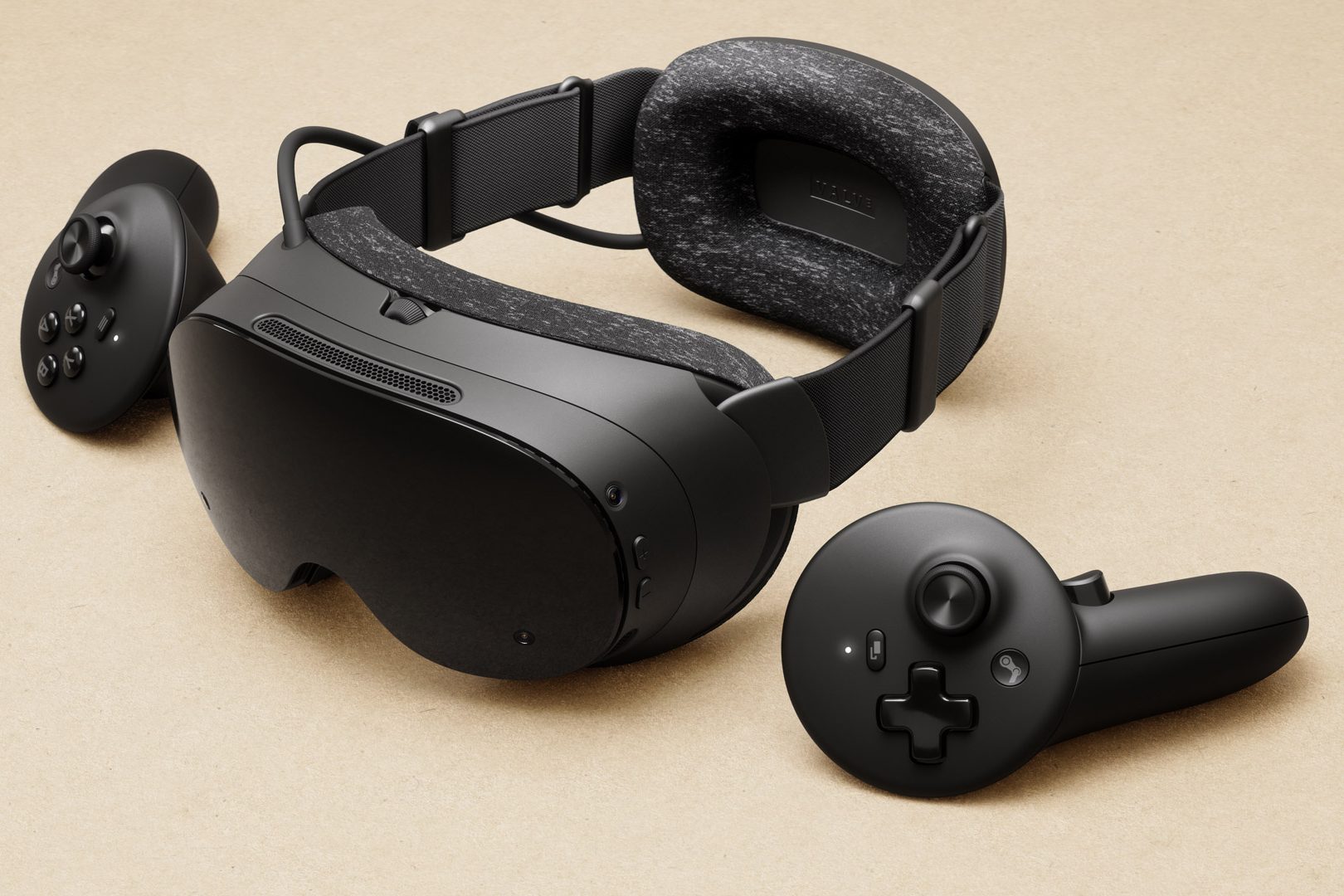
Hardawar tested the headset for a week as reservations opened at $1,059 (256 GB) and $1,299 (1 TB). His framing is blunt: a $1,000-plus VR headset in 2026 is “just madness” when Quest 3 sits at $600 and Quest 3S at $350 for a similar class of standalone sessions.
What Engadget liked
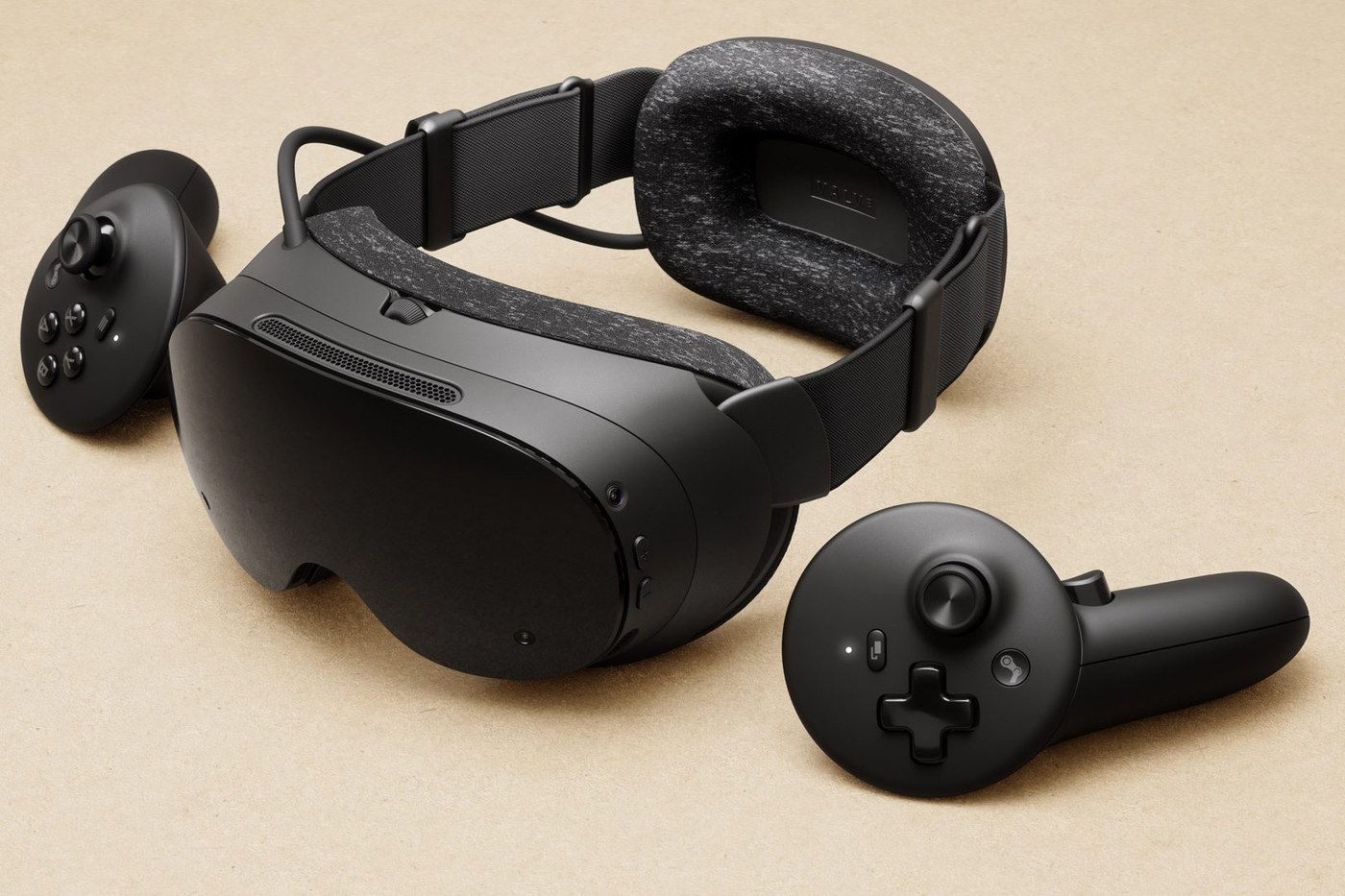
- Comfort without glasses — about 440 g, Index-slim silhouette, rear battery balance that made longer sessions easy to forget.
- Standalone punch — Snapdragon 8 Gen 3, 16 GB RAM, 2160×2160 LCD per eye, 72–144 Hz (144 Hz experimental). Games load faster than Quest 3 in his tests; resume after doffing is nearly instant.
- Stable PC streaming — the included 6 GHz Wi-Fi 6E dongle held up for demanding titles such as Control and Onimusha: Way of the Sword.
- Standalone Half-Life: Alyx — muddier textures and jagged edges versus PC, but strider scale and object interaction still landed as a premium VR experience for players who never owned a VR-ready desktop.
Where the review turns hard
Hardawar’s list of cons is the story:
- Price — he repeatedly compares Frame to Quest 3 / 3S and asks who the $1,059 SKU is actually for.
- Speakers — almost no low end; a clear step down from Index near-field drivers. No headphone jack; USB-C adapter required for better audio.
- Content drought — beyond the Alyx rebuild, Valve is not launching a new flagship VR exclusive. The SteamVR library still feels like “the same titles for a decade.”
- Glasses fit — tighter and less comfortable with spectacles; he points bespectacled buyers toward prescription inserts (Zenni and peers typically ~$50 on other headsets; Frame pricing not yet listed).
- Battery — roughly two hours for light use, under 90 minutes for intensive Alyx; USB-C passthrough charging works but undoes the wireless pitch.
Monochrome passthrough stays a sore point at this price. Engadget notes the bottom expansion port for accessories such as Arcturus’s color camera — the same modular path Metaverse Watcher covered in the $149 Arcturus Vision Camera post — but treats that as an optional fix, not a freebie.
How this sits next to Verge and Tom’s
Our earlier roundup of The Verge and Tom’s Hardware coverage stressed comfort, multi-path library access, and Deck-era day-one bugs. Engadget agrees on comfort and streaming reliability, then weights the sticker and the stagnant software calendar more heavily. Verdict in one line: only for SteamVR enthusiasts who already justify $1,000+ hardware; everyone else should stay on Quest 3, a cable-tethered PC headset, or a used Index.
Reservation lottery details are unchanged from Valve’s launch notes — sign-ups through September 17, first purchase emails targeted for September 18. Engadget’s review does not soften the RAM-driven price story Valve engineers have also been telling elsewhere; it simply refuses to treat that as an excuse to recommend the headset broadly.
Sources: Engadget — Valve Steam Frame review (Devindra Hardawar, Sept. 14, 2026), Road to VR — price and reservations, Steam Frame store page, Metaverse Watcher — Verge / Tom’s first reviews.