China’s Ministry of Commerce just put a HARD NUMBER on the smart-glasses boom. Sales of smart glasses on MAJOR platforms SURGED 120 PERCENT year-on-year in the first EIGHT months of 2026, Xinhua reported via China Daily on September 20 — a Sunday DATA DROP that landed THREE days before Meta Connect.
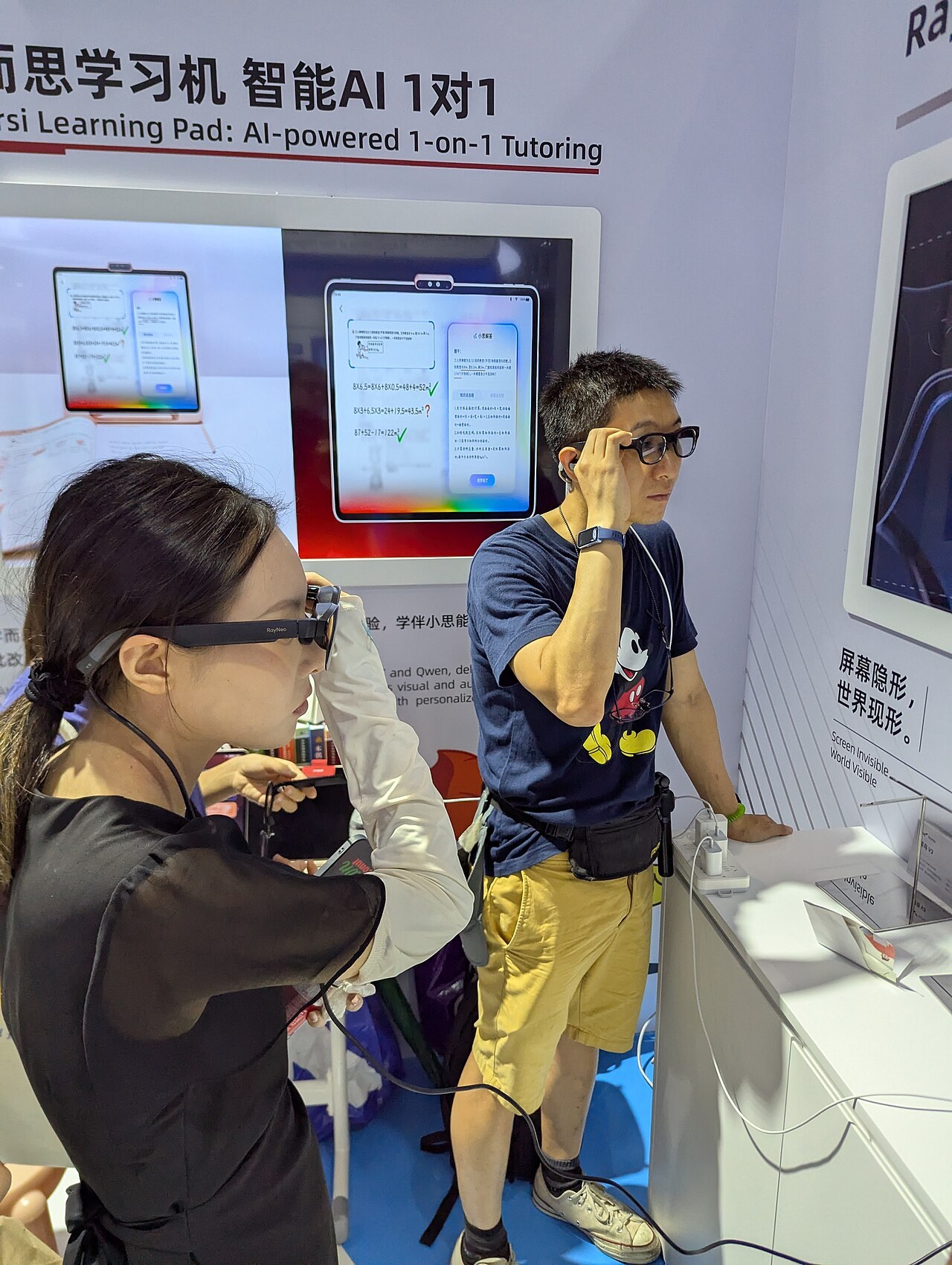
That figure sits inside a broader consumption BRIEF. ECG monitors JUMPED 75 PERCENT over the same January–August window. Action cameras rose 26.9 PERCENT. Organic food climbed 7.4 percent. The ministry framed the mix as a SHIFT toward SMART, health-related, and higher-quality goods — not a one-off gadget spike.
Subsidies Are Doing Real Work
Policy is not sitting on the SIDELINES. Under China’s 2026 consumer-goods TRADE-IN program, smart glasses are listed among nationally subsidized DIGITAL products. Eligible buyers get a 15 PERCENT subsidy on the sales price, capped at 500 YUAN per item, according to the same ministry briefing. That is the kind of demand PULL Meta cannot MATCH with Ray-Ban branding alone inside China.
Xiaomi at 1,999 Yuan. Meta Display Still Outside.
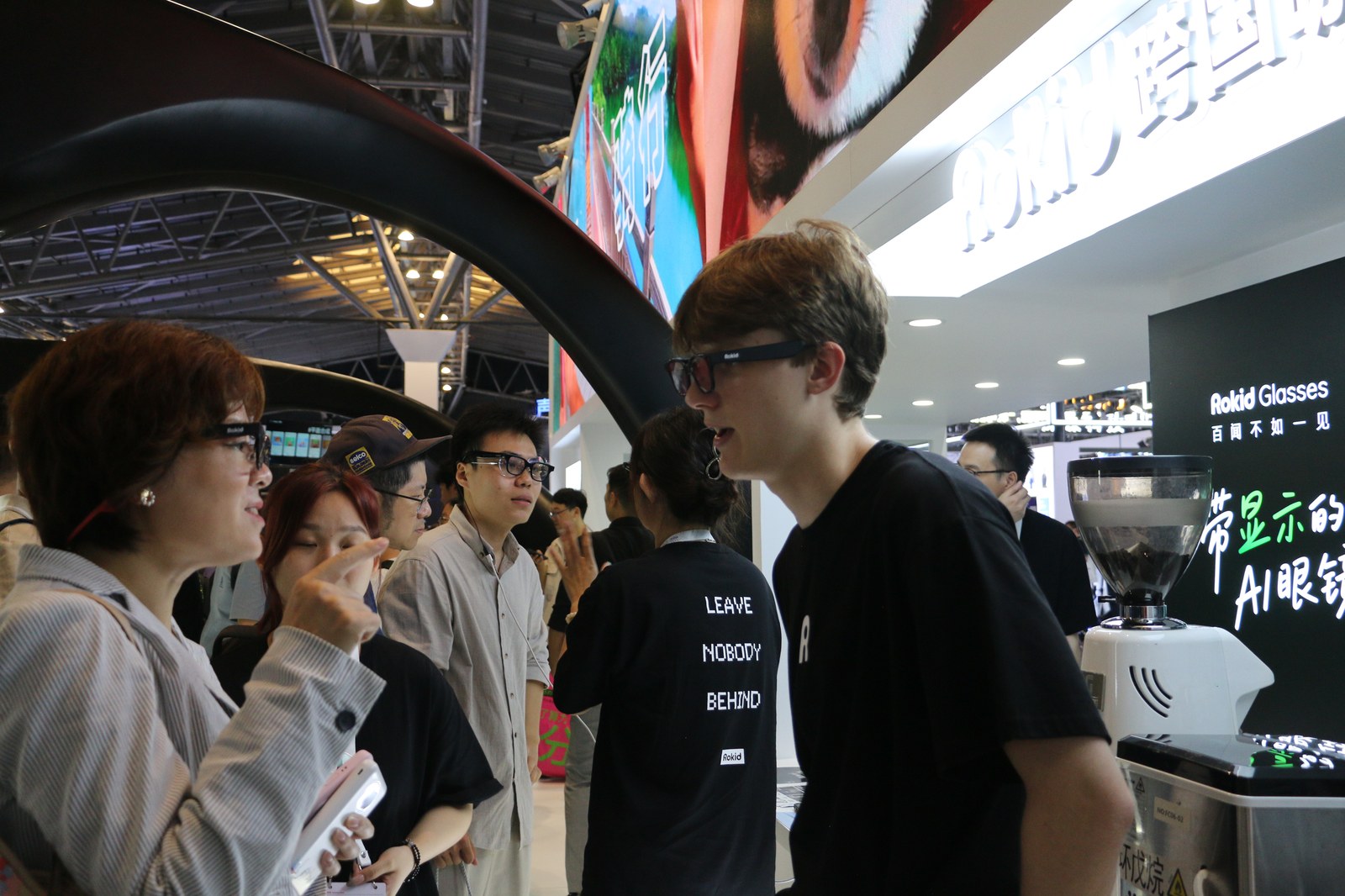
Bloomberg and follow-on coverage from Startup Fortune put the PRICE GAP in plain view. Xiaomi’s AI Glasses launched in China at 1,999 YUAN — roughly $280. Meta’s Ray-Ban Display starts at $799 in the United States. Meta has NOT brought that Display model into China, and an earlier expansion plan for the UK, France, Italy, and Canada was PAUSED in January over LIMITED inventory.
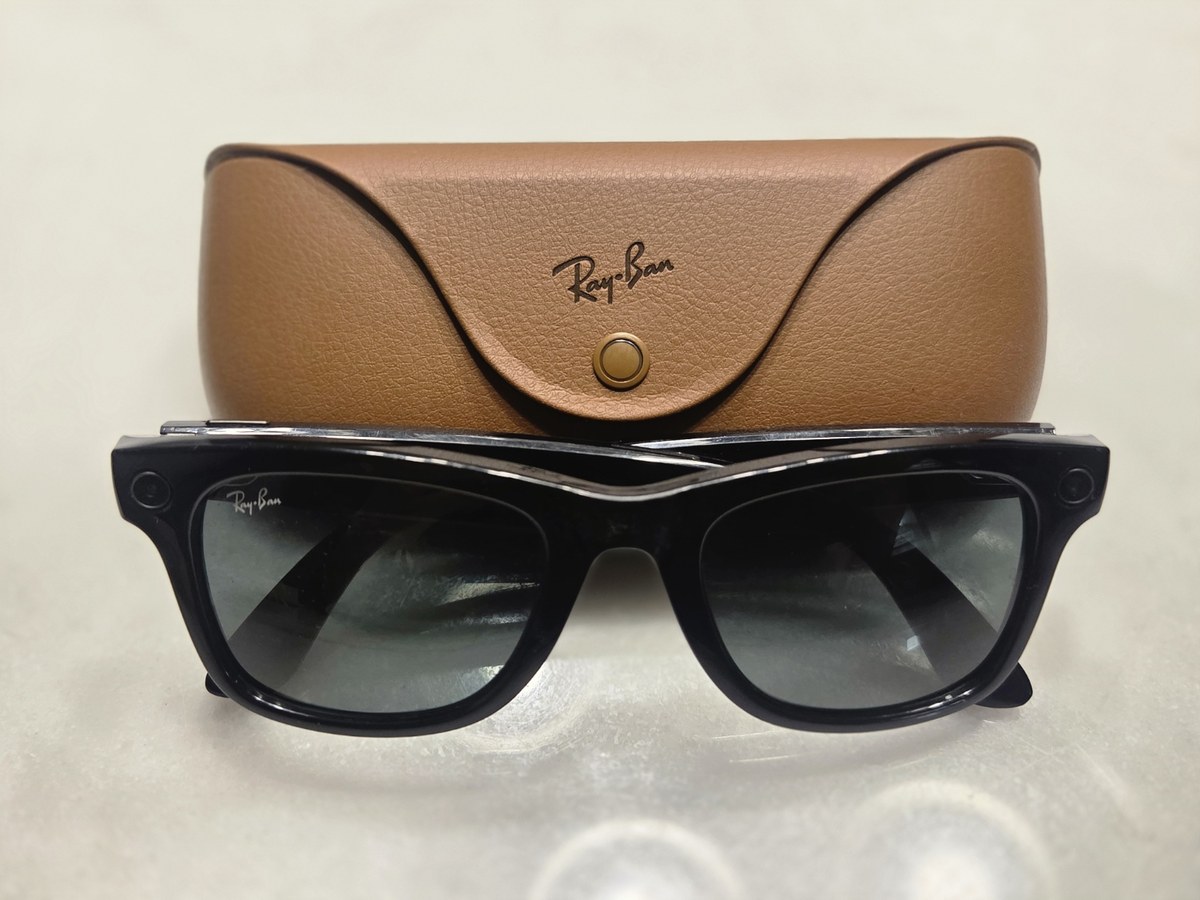
Xiaomi’s frames are NOT a perfect DISPLAY twin. Road to VR’s launch NOTES listed a 12-megapixel camera, 2K video at 30 fps, a 45-minute continuous recording CAP, and about 8.6 hours of mixed-use battery. For many buyers, that SPEC sheet at one-third the Display sticker is ENOUGH to walk out with a pair.
Share Numbers Still Favor Meta Globally
IDC’s second-quarter 2026 tracker, cited in the Bloomberg write-ups, still gives Meta 68.7 PERCENT of the BROADER smart-glasses market worldwide. RayNeo follows at 3.6 percent, Alibaba at 2.6 percent, XREAL at 2.5 percent, and Xiaomi at 2.3 percent. That is a DOMINANT lead — and a softer one than Omdia’s 85.2 percent Meta share for 2025 AI glasses.
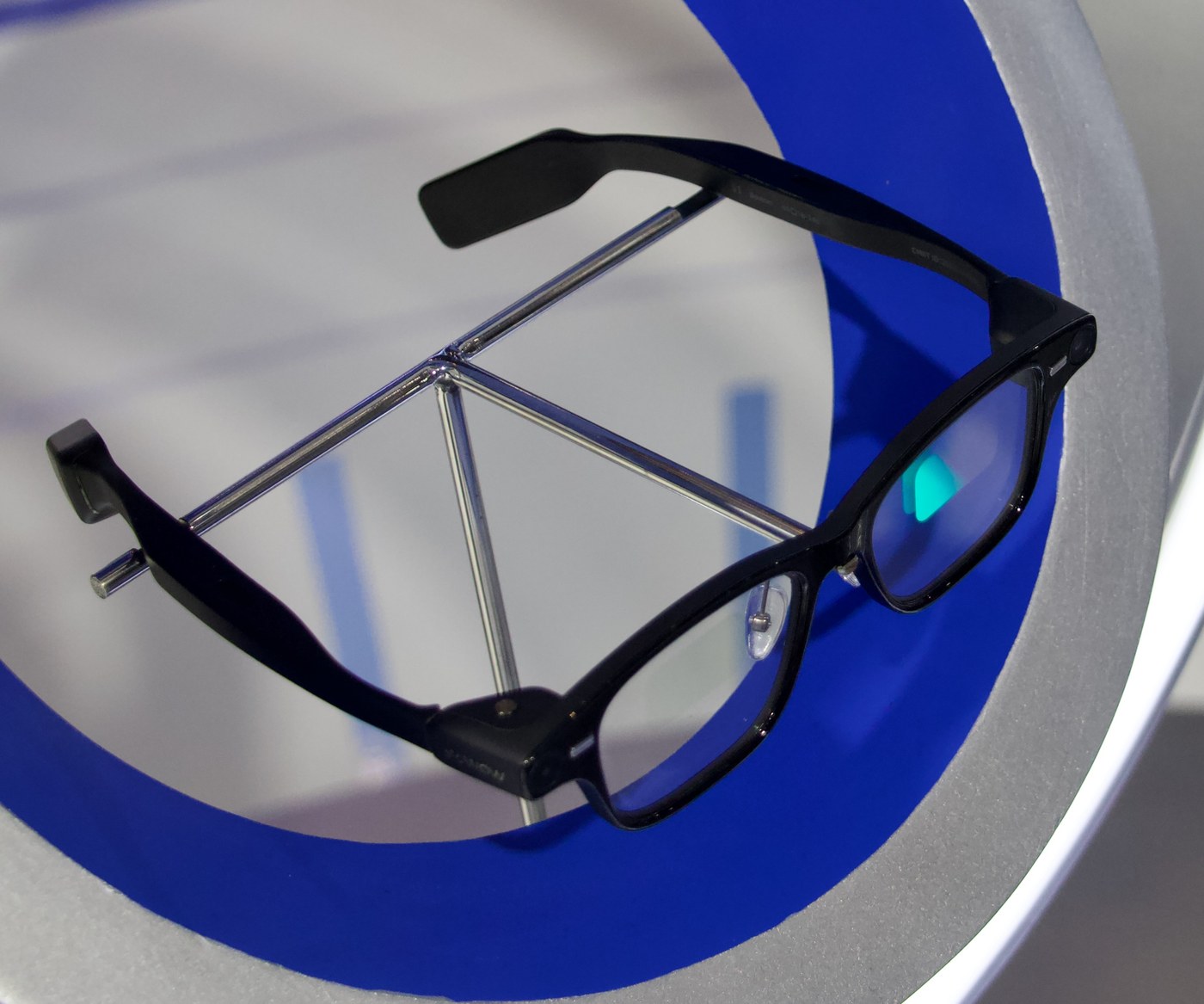
Domestic China rankings LOOK messier because firms slice the CATEGORY differently. CINNO XResearch put Thunderbird Innovation FIRST in China’s consumer AI and AR market for the first HALF of 2026 at 24.8 percent, with Rokid at 20 percent. IDC’s China shipment FORECAST for the FULL year sits near 4.508 MILLION units, up about 77.7 percent from 2025 — a VOLUME target that makes the ministry’s 120 percent PLATFORM sales JUMP feel less like a ROUNDING error.
Rokid’s own pitch remains DISPLAY-HEAVY: launch materials describe roughly 49-gram AI and AR frames with Micro LED WAVEGUIDES, real-time TRANSLATION, object recognition, navigation, and transcription. CNBC reported earlier in 2026 that Rokid TOPPED JD.com smart-glasses sales RANKINGS for three straight months even while pricing ABOVE Alibaba’s closest rival SKU.
What It Means Before Connect
Counterpoint’s first-quarter 2026 data already showed the category TILT: AR glasses shipments UP 136 percent year over year, display-less smart glasses UP 210 percent, VR headsets DOWN 17 percent. China’s Sunday numbers put a GOVERNMENT stamp on the same DIRECTION. Meta still owns the GLOBAL brand. At home, Xiaomi, Rokid, Thunderbird, and Alibaba are teaching buyers that a usable pair does NOT have to wait for Menlo Park’s next KEYNOTE.
Sources: China Daily / Xinhua (Ministry of Commerce); Bloomberg; Startup Fortune.
2 thoughts on “China Smart Glasses Sales Surge 120%, Xiaomi Undercuts Meta”