By Metaverse Watcher staff. Published October 27, 2026.
Android phones can now connect to Android XR glasses. Google added the capability in Google Play services v26.42, dated October 26, 2026, according to its official Google System Release Notes. The entry is ONE line long, but it is the clearest sign yet that the phone-side groundwork for Samsung’s first Android XR glasses is in place BEFORE their expected November launch.
What Google’s release notes say
Under “Device Connectivity,” the v26.42 notes list four phone changes:
- “You can now connect Android XR glasses to your phone.”
- True wireless stereo earbuds can pair silently in the background, without changes to notifications, audio or vibration.
- Bug fixes for Device Connections services.
- New developer features to help Google and third-party apps support device connectivity.
The same update speeds up the Google One storage page, adds a new menu in Google Account settings and improves how earthquake and crisis alerts are presented. Google Play Store v53.8, released the same day, adds video citations in Ask Play, a “Playbacks” clip tool for the last 30 seconds of gameplay, and shareable Play Shorts links.
One caveat matters. Google’s notes state that “some features may be experimental and available to certain users,” and Play services updates roll out in stages over several days. A phone showing v26.42 is not a guarantee that glasses pairing is switched on yet. The update was reported by 9to5Google and picked up by Droid Life and heise online.
Why phone support comes first
Unlike the Galaxy XR headset, which runs apps on its own chip, Android XR glasses lean on the phone. Samsung’s glasses use a Qualcomm Snapdragon AR1 Gen 1 and hand some processing to the paired handset, as we laid out in our Samsung Galaxy Glasses specs, price and release guide. Gemini, walking directions, calls, message summaries and translation all depend on that link.
Shipping the connection code through Play services, rather than a full Android version update, is how Google reaches the most phones fastest. Play services updates arrive directly from Google on devices from every maker, without waiting on carriers or OEM firmware schedules. Putting it in place weeks ahead of retail means buyers should not have to hunt for a system update on day one.
It also fits a pattern. Earlier this month Google code pointed to a “Hey Gemini” hotword and camera activation flow for Android XR glasses, and Samsung’s glasses cleared the FCC on September 30 under model numbers SM-O200J and SM-O200P.
Which glasses this is for
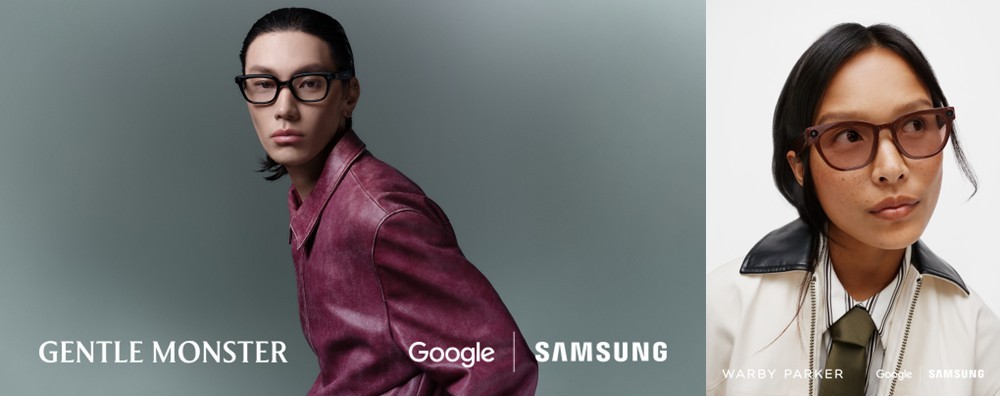
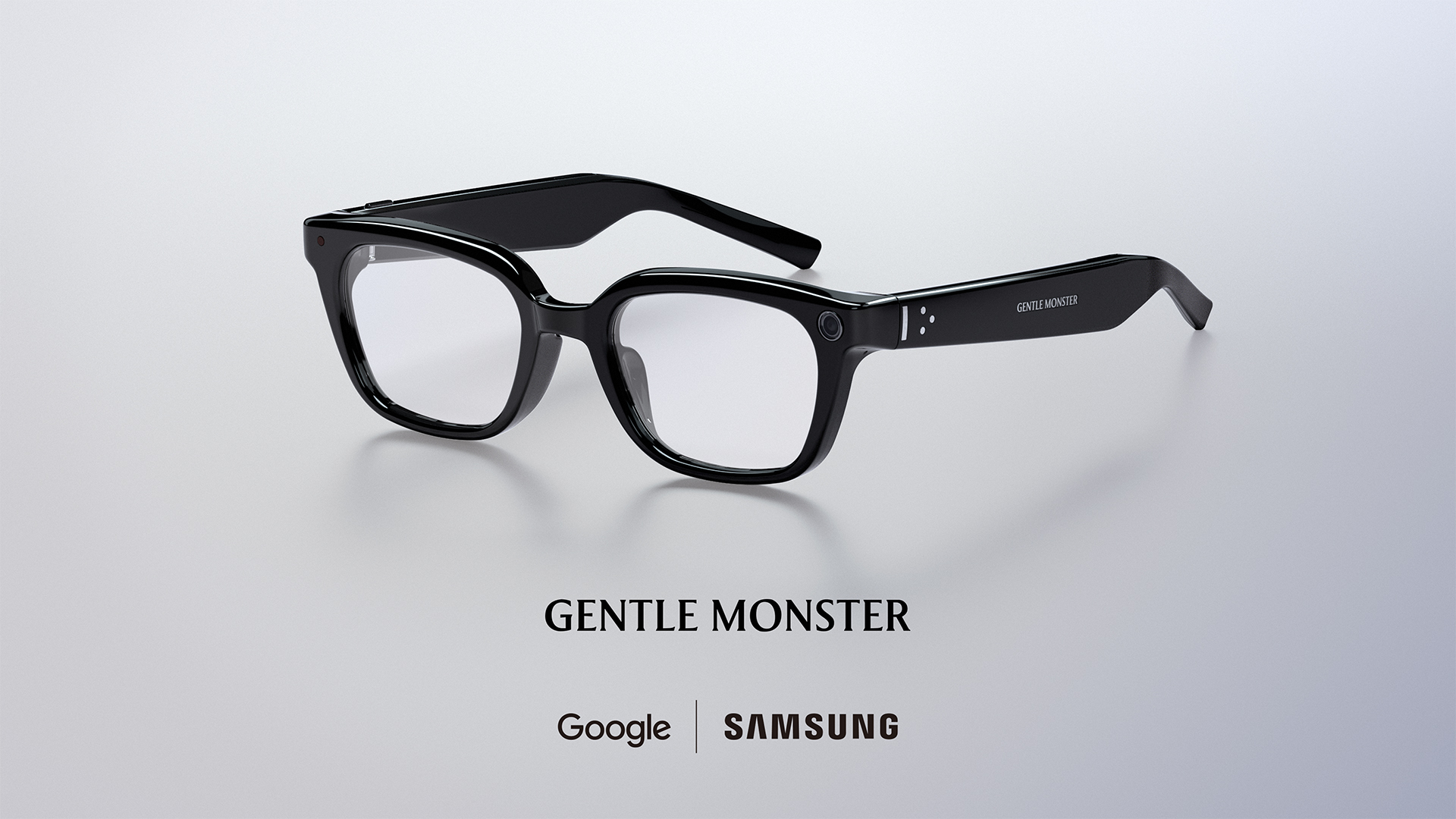
The release notes do not name a device, but the first Android XR glasses expected on shelves are Samsung’s camera-and-audio models in Gentle Monster and Warby Parker frames. Here is where the key details stand as of October 27:
| Detail | Status | Source |
|---|---|---|
| Launch timing | November 2026 | Samsung official to The Korea Herald |
| Display | None (audio and camera glasses) | Samsung |
| Chip | Snapdragon AR1 Gen 1 | Samsung |
| Battery | Up to 9 hours, plus case charges | Samsung |
| Weight | About 41 g | Leak (SammyGuru), not official |
| Price | Not announced | Samsung |
| Android phone pairing | Added in Play services v26.42 | Google release notes |
Google has also said the glasses will work with iPhones. Play services does not exist on iOS, so that route will need its own app, and Google has not detailed it. Display-equipped Android XR glasses are a later wave with no date yet, and XREAL AURA, the tethered Android XR glasses with a compute puck, is a separate product line. Our guide to what Android XR is breaks down all three device groups.
What it means
Meta still owns this category. Ray-Ban Meta and Oakley Meta glasses pair through the Meta AI app on both Android and iOS. Google’s advantage is distribution: by building glasses support into the software layer of Android phones worldwide, it removes one setup step that Meta’s app-based approach requires. Whether that matters to buyers will depend on two things Samsung has not yet disclosed, the price and the exact launch date. For how the current options compare, see our best smart glasses of 2026 roundup.
We will update this story when Samsung or Google confirms pricing and availability.