Bloomberg reports ByteDance is building a Seedance-based real-time spatial video model for Pico, livestreams, and games. Zhang Yiming is overseeing. A launch window as soon as October is on the table, with plans still subject to change.
Bloomberg, syndicated in full by The Edge Malaysia, says ByteDance is preparing an AI model aimed at real-time spatial video generation — interactive three-dimensional worlds rather than flat clips. Founder Zhang Yiming is personally coordinating the work across business units and throwing compute behind it, according to people familiar with the matter who asked not to be named. A ByteDance spokesperson did not respond to Bloomberg’s request for comment. Timing is described as as soon as next month, with the usual caveat that plans may slip.
What the model is supposed to do
The system builds on Seedance, ByteDance’s existing cinematic video generator that already powers tools such as CapCut and Doubao. Sources told Bloomberg the spatial version would let creators build interactive virtual worlds for livestreams, short-form dramas, and games, placing the viewer inside a three-dimensional scene that can respond to voice or movement — the same class of “world model” Google has been pushing with Genie.
One source cited performance targets of roughly 0.05 seconds of latency at about 20 frames per second for on-demand spatial video, plus spatial-computing environments and interfaces. Crypto Briefing’s September 7 write-up of the same Bloomberg reporting repeats those figures. Twenty frames per second is not headset-native VR smoothness; it is a generative-video throughput claim for cloud-rendered worlds, not a Quest-class compositor rate. Treat it as a research and product target, not a shipping benchmark.
Why Pico is in the sentence
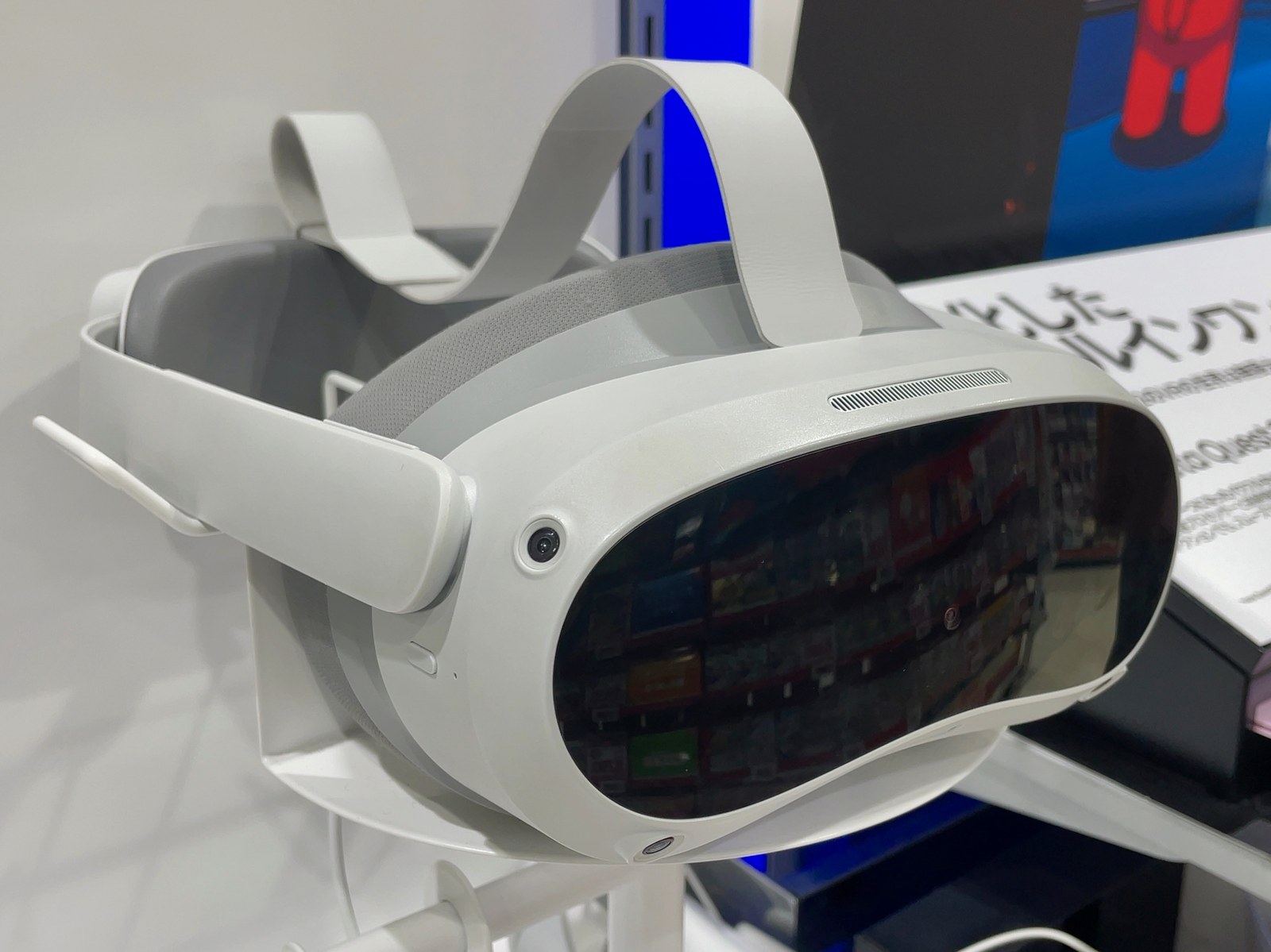
Zhang’s pitch, per the people Bloomberg spoke with, is a flywheel: AI models and cloud capacity feeding ByteDance’s content platforms and its XR subsidiary Pico. The model is meant to generate virtual worlds that react to Pico headset users’ voices or movements, while moving the heavy generation off-device into ByteDance’s cloud. That is the strategic bet — cheaper, less sophisticated headsets on the face, more intelligence in the data center — and it sits against Meta’s Quest ecosystem and Apple’s Vision Pro, both of which have struggled to go fully mainstream.
The timing lands after Pico cancelled its September 2 Space Space Pro debut and pushed that headset into a later window. A cloud spatial-video stack does not replace a cancelled hardware keynote, but it does explain why ByteDance keeps spending on XR software even when the consumer calendar is soft.
What is confirmed and what is not
Confirmed in the reporting: an internal push toward a Seedance-based spatial video model, Zhang’s personal oversight, Pico as the intended headset surface, cloud offload as the cost thesis, and an aspirational window as soon as October. Not confirmed: a product name, a public demo date, frame-rate quality on real Pico hardware, pricing, or whether the model ships to creators outside China first. Bloomberg also notes ByteDance recently secured a large loan to expand AI capacity and data centers — context for the compute side of the story, not proof this specific model lands on schedule.
For XR watchers, the signal is clearer than a rumor mill slide. ByteDance is trying to compete with Meta and Google on world models, and it wants Pico to be the face-worn client for that stack. October is the earliest window sources will say out loud. Everything after that is execution.