Unity’s September 3, 2026 Humanity Awards write-up puts a clinician-led NHS programme on the record: Project Ember, from Buckinghamshire Healthcare NHS Trust, overlays dynamic digital burns onto physical mannequins so surgeons can practice assessment without buying a warehouse of prosthetic wounds. It is one of Unity’s 2026 for Humanity grant winners. The pitch is not another headset demo. It is cheaper, more diverse burn training.
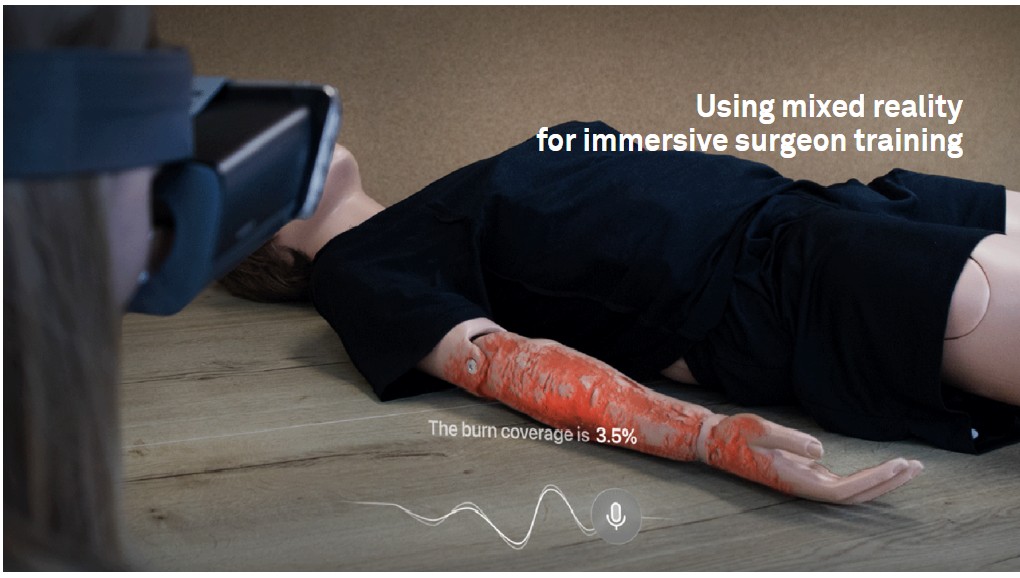
Traditional burn education still leans on specialized mannequins and hand-made prosthetic injuries. Unity’s piece cites physical training setups that can run well over £100,000, with each prosthetic typically locking a session into a single scenario. Ember flips that: instructors generate severity, size, location, cause, age, and skin tone on the fly, then keep the same physical body under a mixed reality headset so trainees walk around a real form instead of a fully virtual patient.
Skin tone is the design claim
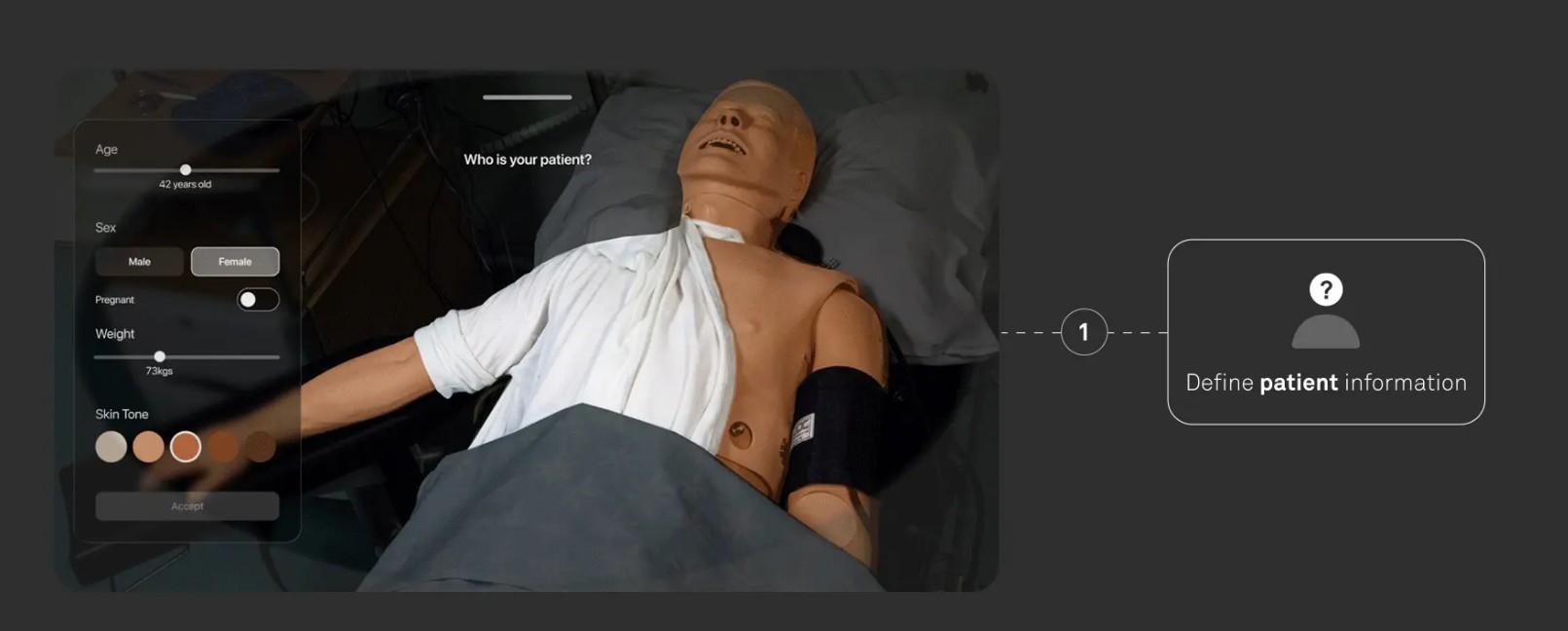
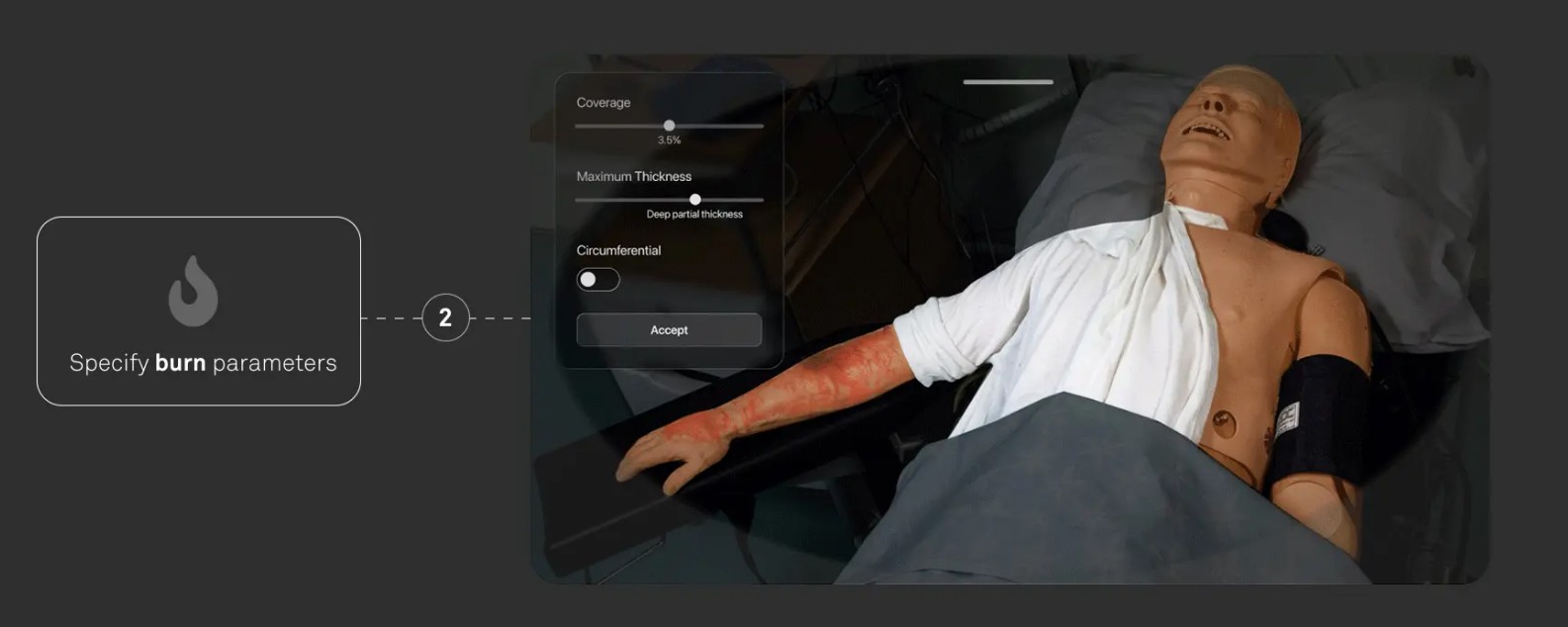
The part Unity leans hardest on is equity of presentation. Ember is described as the first medical training tool with a dynamic skin-tone engine, so burn appearance can be dialed across a spectrum rather than defaulting to a narrow set of props. Instructors define patient age, sex, weight, and tone before they set burn coverage and depth — the UI walkthrough Unity published shows a 42-year-old, 73 kg female case with a 3.5% deep partial-thickness arm burn as one example path.
Unity under the headset
The application is built in Unity so digital burns stay registered to the mannequin as the trainee moves. That is the hard part of any mannequin-plus-headset trainer: drift kills the lesson. Unity’s grant money is meant to widen the scenario library and keep validating whether this kind of mixed reality actually improves clinical decisions — not only whether it photographs well at a showcase.
Context for the beat: medical XR is stacking clinical milestones this month — Stryker’s SportSuite Vision on Apple Vision Pro at Duke, MediView XR90 at Cleveland Clinic Weston — while a September 10 systematic review in BMC Medical Education argued the neurosurgery training evidence base is still too thin for a confident “better than conventional” claim. Ember sits on the training side of that tension: a funded, clinician-led platform with a clear cost story, and the same obligation every medical XR product eventually faces — prove transfer to real care, not just a better mannequin afternoon.
Sources: Unity — Project Ember / Unity for Humanity; Buckinghamshire Healthcare NHS Trust (imagery and programme credit in Unity’s post); Wu & Cheng, BMC Medical Education (2026) for the broader neurosurgical VR/AR evidence caveat.