By Metaverse Watcher staff. Published November 4, 2026.
Two governments moved on camera-equipped smart glasses on the same day. In London, safeguarding minister Satvir Kaur told the House of Commons on Wednesday that the UK government is “already looking into options to restrict smart glasses in certain settings and restricting the sale to certain users,” according to The Guardian. Hours earlier in Islamabad, the federal cabinet’s Economic Coordination Committee (ECC) approved restrictions on IMPORTING camera-enabled smart glasses into Pakistan, The Thursday Times reported, citing the Finance Division.
Neither step is a ban yet. Neither government has published a start date, a device list or a legal text. But together they show that the debate over glasses like Ray-Ban Meta has moved from venue signs and online petitions to ministers and cabinet committees.
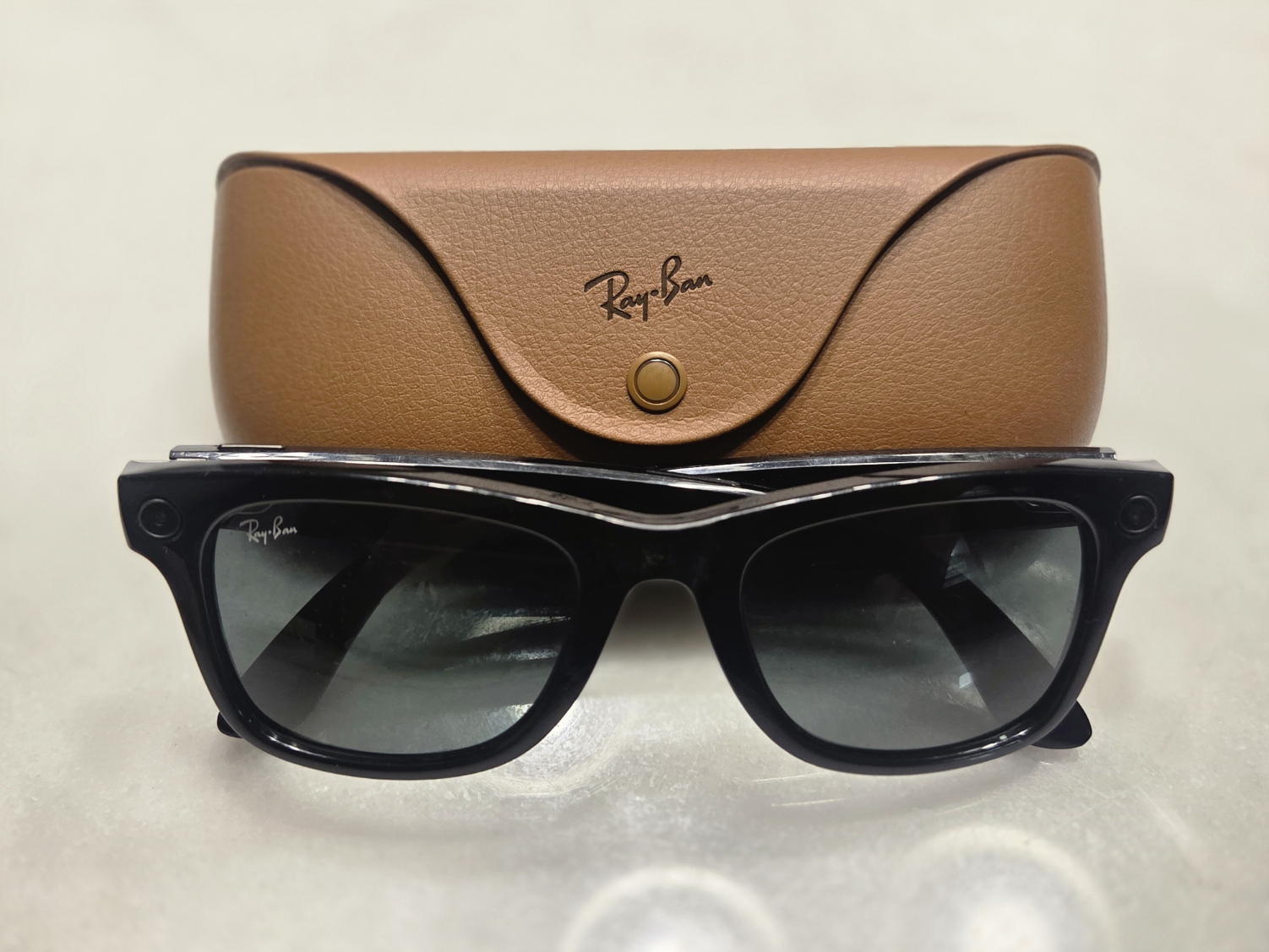
What the UK minister actually said
Kaur was responding to a Westminster debate led by Liberal Democrat culture spokesperson Anna Sabine. Sabine told MPs that “women are reporting waking up after nights out to find videos of themselves have gone viral online, filmed without their knowledge or consent by men wearing smart glasses.” She also argued that advertising had presented discreet filming as “one of the key selling points,” and said she did not want Parliament to “only regulate once it is too late.”
Kaur’s answer had three parts, per The Guardian’s account:
- Restrictions by setting. The government is looking at limits in specific places. She noted that filming is already unlawful in some settings, such as courts, where cameras are banned.
- Restrictions by buyer. She raised “restricting the sale to certain users.” She did not say which users, or how a retailer would check.
- Sector reviews already under way. NHS England and the Department for Education are both “looking into wearable technology in certain settings,” and health and education already have safeguarding and professional policies that cover digital recording.
She also balanced the harms against real benefits: “for those that are visually impaired, smart glasses have been a gamechanger, helping them navigate the world around them.” That line matters. In October, the RNIB and Guide Dogs warned that blanket venue bans shut out blind users who rely on the glasses for daily tasks, and argued they can count as a “reasonable adjustment” under the Equality Act 2010, as we reported at the time. The same week, a UK Parliament petition to ban the sale of smart glasses passed 10,000 signatures, which obliges the government to respond in writing.
The likeliest reading of Wednesday’s remarks is a TARGETED approach rather than a national sales ban: rules for particular places, plus some form of sale restriction, while protecting accessibility use. That is our interpretation, not a stated policy. Nothing has been drafted, consulted on or put to a vote.
What Pakistan’s ECC approved
The ECC met under Finance Minister Muhammad Aurangzeb and approved the measure on a summary from the Commerce Division. The Ministry of Finance posted its summary of the meeting on X:
ECC Approves Key Financing, and sectoral Development Measures, Alongside Technical Supplementary Grants. The Economic Coordination Committee (ECC) of the Cabinet met today at the Finance Division under the chairmanship of Federal Minister for Finance and Revenue, Senator Muhammad…
— Ministry of Finance, Government of Pakistan (@Financegovpk) November 4, 2026
According to The Thursday Times, the committee also recommended that the provinces and the Islamabad Capital Territory draw up WORKPLACE rules for the devices. The statement did not name a brand, did not give a start date, did not say whether the restriction is a full import ban, and did not address glasses already in the country. Devices such as Ray-Ban Meta fall within the description because they have built-in cameras.
The federal step follows provincial action. On October 20, Punjab’s Home Department banned wearing camera-enabled smart glasses and miniature hidden cameras for 30 days, and banned their sale in shops and online, with exemptions for PTA-approved phones, laptops and tablets and for authorised law enforcement. That order runs until about November 19 unless it is withdrawn or extended. A petition in the Lahore High Court has separately challenged the unregulated import and sale of the glasses, noting that Meta does not list Pakistan as a market even though they are sold in Lahore.
Where smart glasses rules stand now
Wednesday’s moves join a growing list. The table below summarizes the main government actions Metaverse Watcher has tracked this fall.
| Jurisdiction | Action | Status (Nov 4, 2026) |
|---|---|---|
| United Kingdom | Minister says government is weighing limits in certain settings and sale restrictions to “certain users” | Under consideration; no proposal published |
| Pakistan (federal) | ECC approves import restrictions on camera-enabled smart glasses; asks provinces for workplace rules | Approved; start date and scope not published |
| Punjab, Pakistan | 30-day ban on wearing and selling camera smart glasses | In force from Oct 20, to about Nov 19 |
| Norway | Government plans a temporary ban on AI glasses in selected places; broader sales-ban proposal in committee | Bill pending; nothing banned as of Oct 22 |
| Netherlands | Government declines a public-wear ban or EU design rules for now | No new rules |
| California, U.S. | SB 1130 would have regulated secret wearable recording and required capture indicators | Vetoed Oct 1 |
| United States (Senate) | Sens. Wyden and Markey ask Meta how glasses protect bystanders | Answers requested by Thanksgiving |
Sources for each row are linked in our earlier coverage: Norway’s proposal explained, the Dutch decision, California’s SB 1130 veto and the Wyden and Markey letter.
Why it matters for buyers and the industry
The two moves point at different pressure points. The UK is looking at WHO can buy the glasses and WHERE they can be used, which would fall mostly on retailers and venues. Pakistan is acting at the border, which matters because Meta does not officially sell there and grey-market imports appear to be the main supply.
For manufacturers, the common thread is the recording indicator. Meta has defended its capture LED and tamper detection as the answer to covert filming, an argument we covered in Meta’s response as bans spread. The Dutch government accepted that argument in October. Wednesday’s UK debate, centred on women filmed without knowing it, suggests British lawmakers are less convinced that a small light is enough.
For UK shoppers, nothing changes today. The glasses remain legal to buy and wear, subject to existing law on harassment, voyeurism and filming in restricted places, and to individual venue policies. Anyone in Pakistan should wait for the Commerce Ministry to publish the detail before importing a pair, and should not wear one in Punjab while the provincial order is in force.
Shoppers comparing models can see which glasses have cameras, and which do not, in our Best Smart Glasses of 2026 guide. Camera-free options are likely to become a bigger selling point in markets that tighten rules.
What to watch next
- The UK government’s written response to the sale-ban petition, and any guidance from NHS England or the Department for Education.
- Pakistan’s Commerce Ministry notification setting out the scope and start date of the import restriction.
- Whether Punjab extends its order past about November 19.
- Norway’s bill on a temporary place-based ban.
Sources: The Guardian, The Thursday Times, Ministry of Finance, Pakistan on X, and earlier Metaverse Watcher reporting linked above.